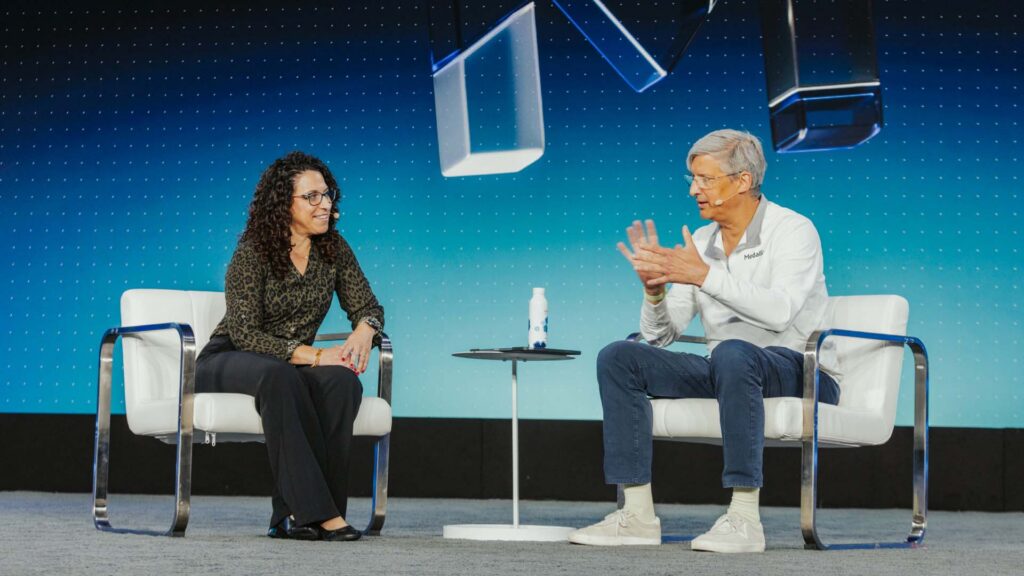
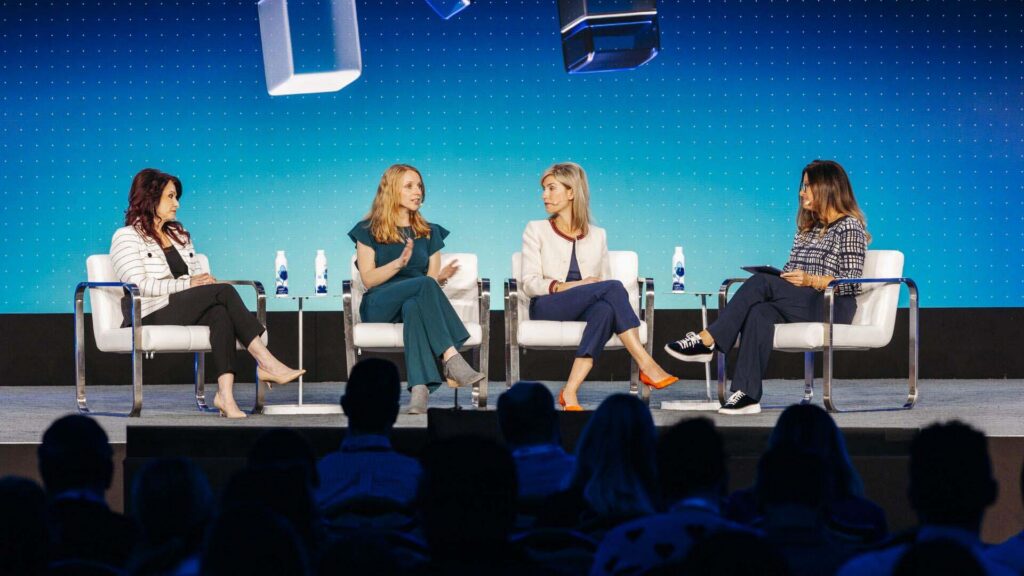
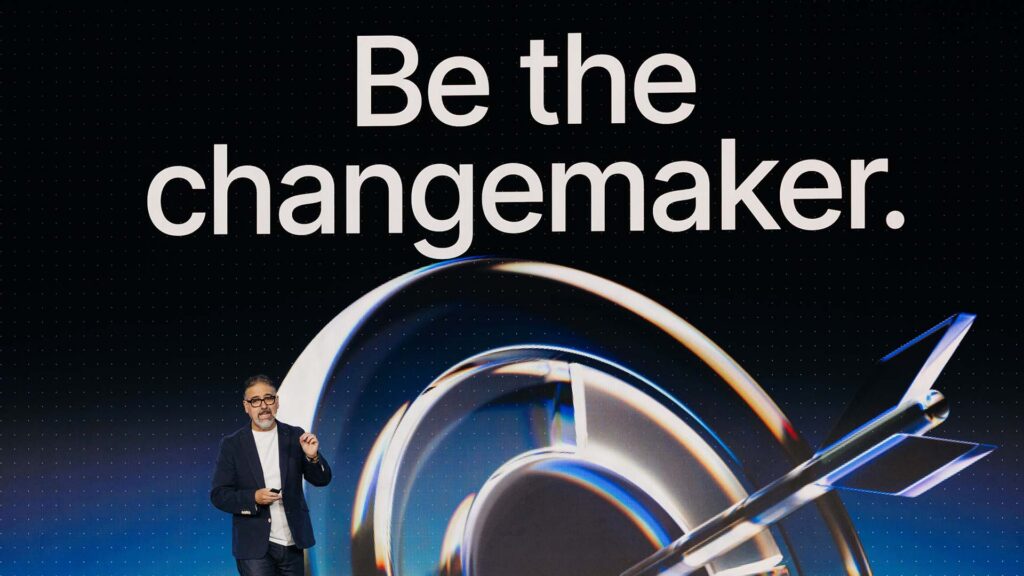
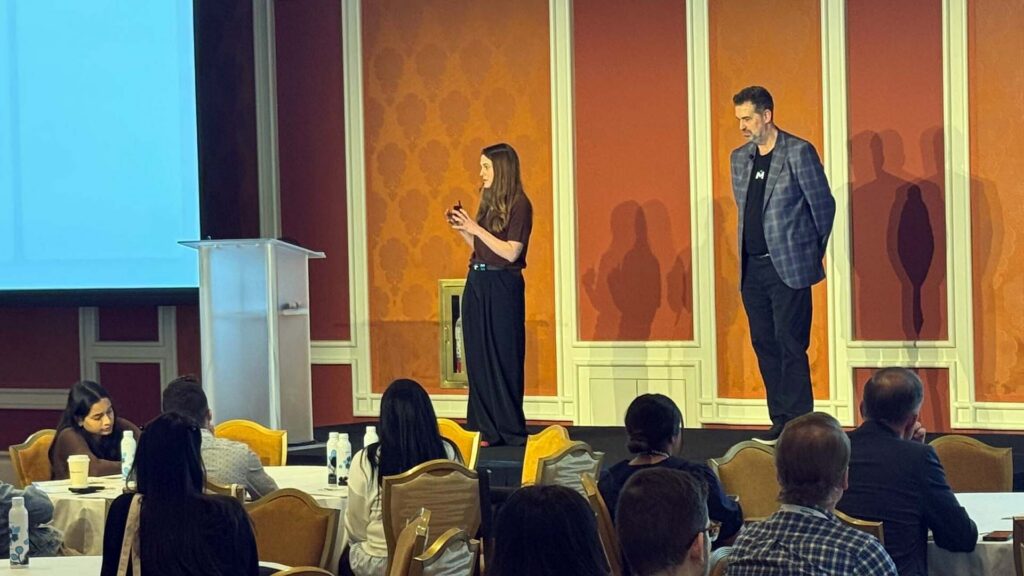
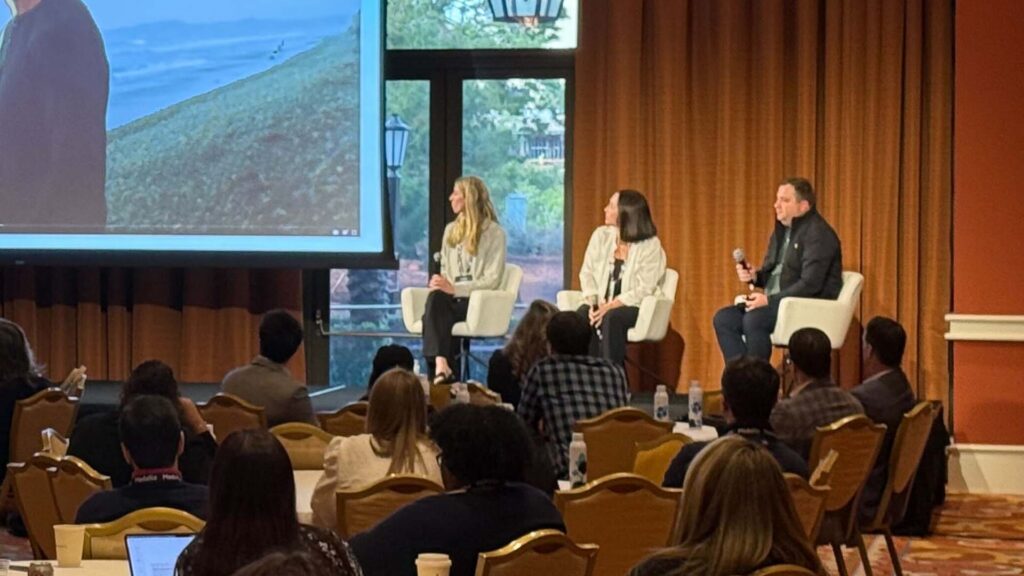
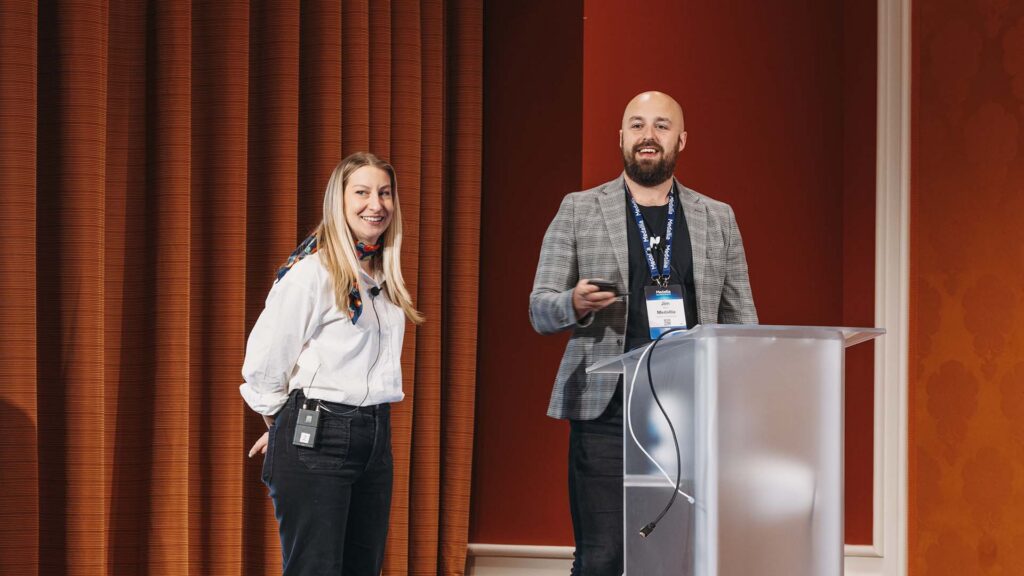
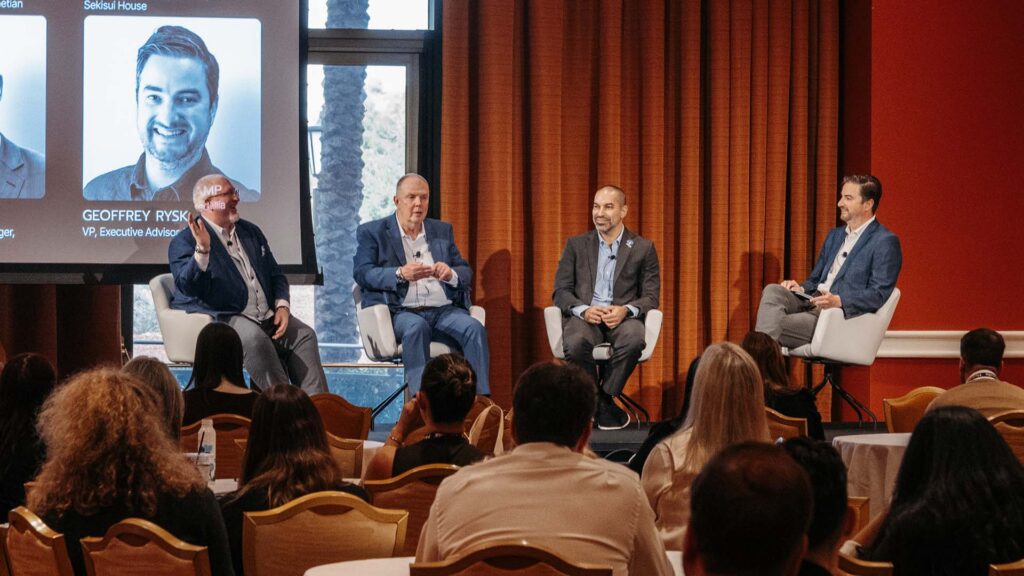
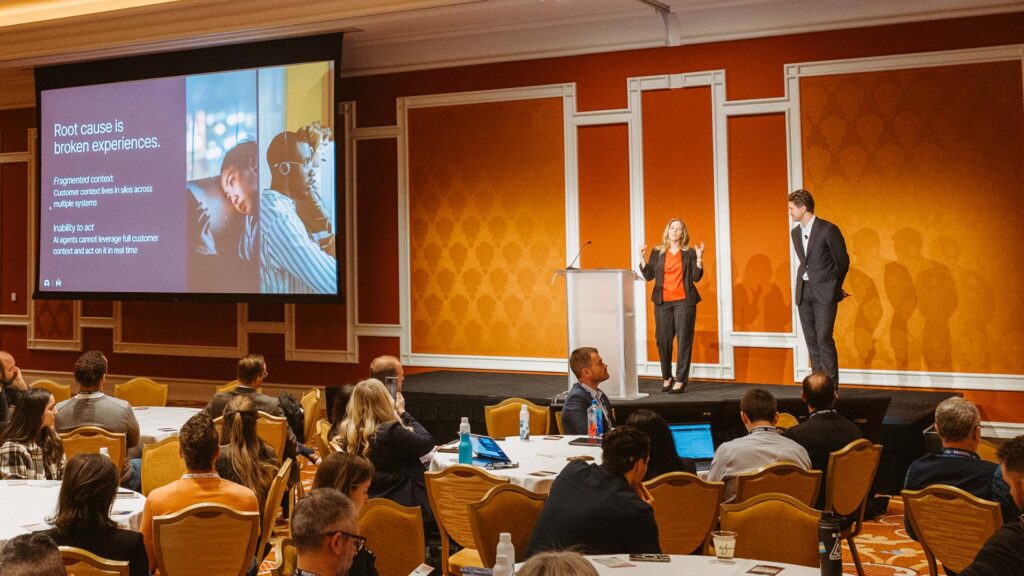
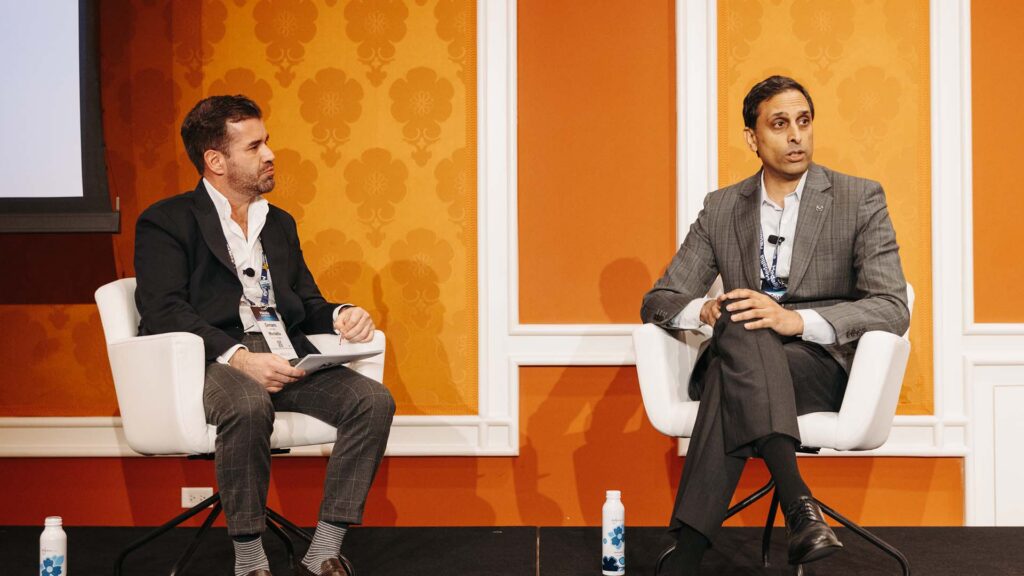
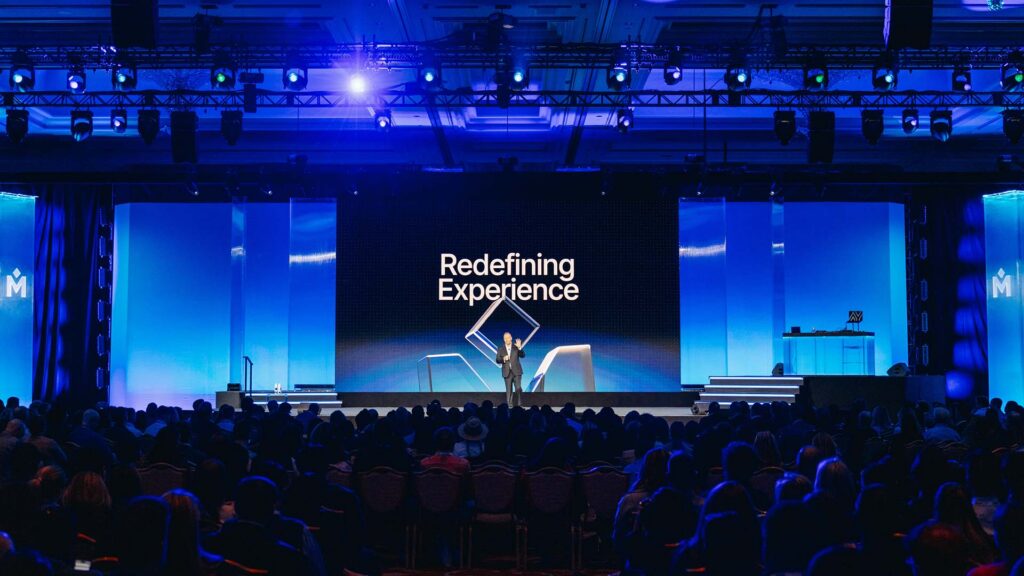
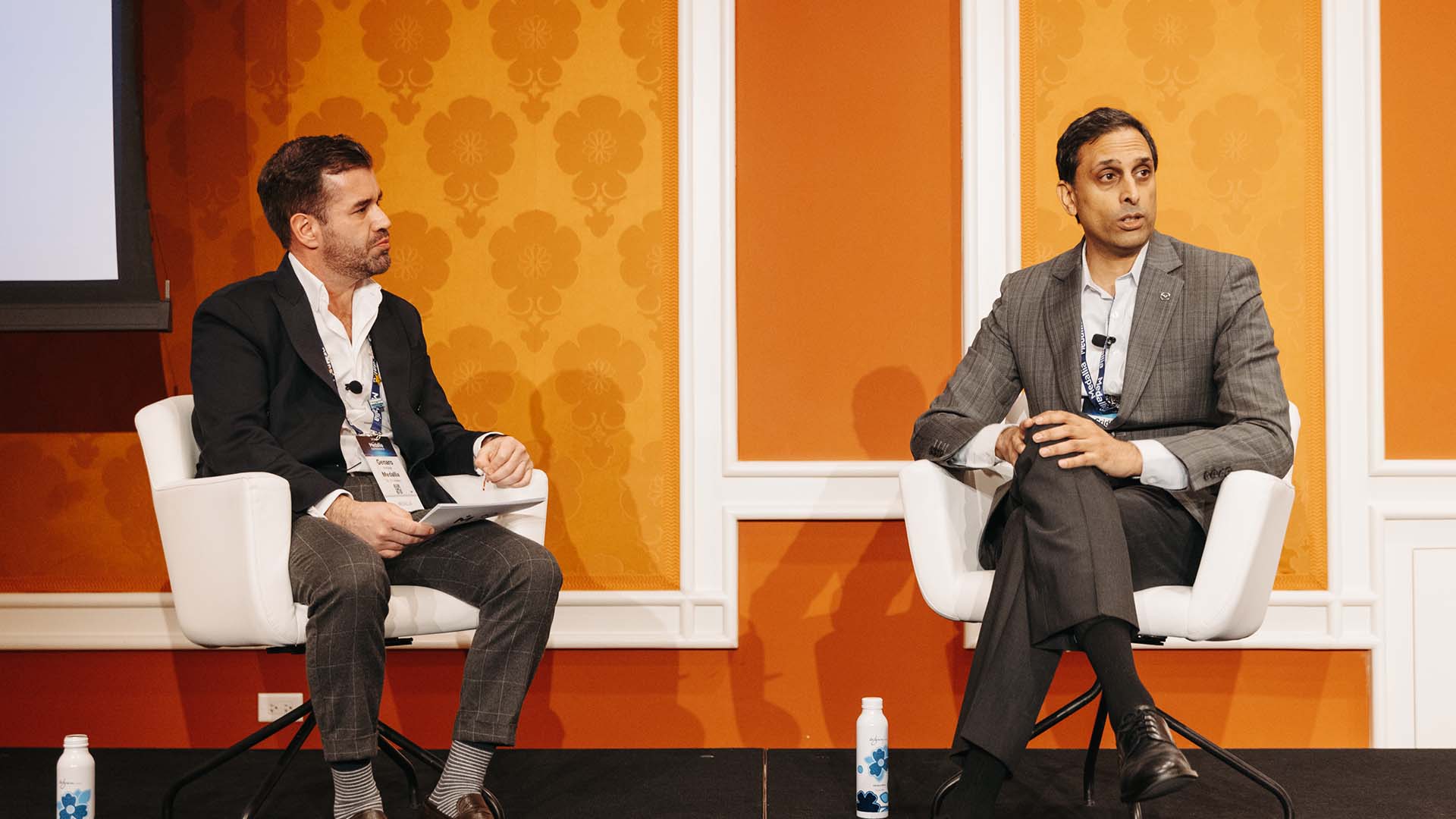
Genaro Martinez: [00:00:00] On stage session CX Reimagined, we are going to be talking about how Mazda Reimagines.
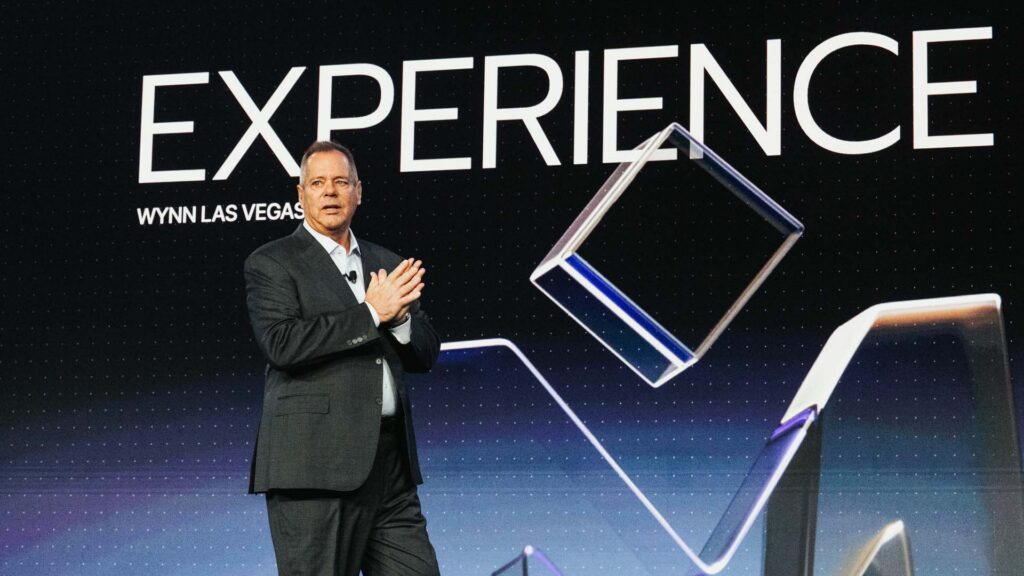
Sridhar Adiga: Hi everyone. Good morning. Sridhar Adiga, I lead a Mazda CX efforts Mazda for about eight and a half years.
Genaro Martinez: All of you that are here today with us will understand that every round has a CX and with that CX journey there, there always come certainly challenges.
Sridhar Adiga: Yeah. So specific to the CS space, I guess lemme start with a question. How many folks in this audience are the auto industry? So then Berlin, maybe other industries are similar as well, we have the specific, challenges of the automotive industry, right? From also, we have amazing dealer parking truck, 550 plus dealer partners.
But the challenge always right, is how do we align a vision? How do we align objectives cost 500 plus dealers? And that was our chat. And I think we took initially probably a very traditional audit would approach, which is we. Paid for the survey store. And so we had an incentive program by [00:01:00] voter JT r.
Large program, and we put a lot of incentive that was late to the survey store. And, frankly, we thought we were doing the right thing to signal the importance of customer experience. With that it just caused, although we signaled the importance. There was so much effective attached to the survey score we had, it was questioning from the sales survey, the automotive, the sure need to salesy service questions and of the service survey to make up the CX index, right?
Which was, you’re a little bit complicated and there was so much attached to that score that it just caused a lot of noise in the system, right? It caused a lot of pressure in the system clearly doers wanted and to achieve that score. There’s a lot of pressure from the owner operators to the management out for the frontline employees.
Just even with frontline employees, like one bad survey could lead to you qualifying for the incentive or not quality calling.
Genaro Martinez: You have the CX index. All the reporting
Sridhar Adiga: would just focus on how are you gonna ab bait that when you had to put that incentive. We [00:02:00] not get that incentive. If you had public different policies.
So we had a mulligan process where if you have a certain amount of surveys you can take out your survey amount of surveys through that would at your score. It wasn’t very rewarding, but all we would do is just defending the score. Looking at policies and not doing the things that all of us wanna do, which is uncover interest, interesting customer experience, insights.
And really looking at the experience that was really it was breakouts.
Genaro Martinez: So Bill channel just started to arise. And how do you, are you managed
Sridhar Adiga: pretty much use the same argument that I just talked to you about, right? Here are all the reasons why, this isn’t really, the best idea in driving the right experience.
Their question was, okay, but we still have the challenge of how do we align objectives? How do we align a vision, but we’re not gonna use service for, right? So we were critical to our operations team. We said, okay, what if Peter just focused on the inputs? The inputs that drove the right behaviors that led to good CX stores.
Once we got agreed that was the right approach our senior [00:03:00] leadership, ’cause they saw it too, they have, viewers know. Okay. Then the feedback and then I would say the other stakeholder that we were closely with was our National Deal Council that represented their own 500 plus peers in the network.
And to be honest, they were the biggest cheerleaders for us, the big couple to survey. From from the incentive. ’cause they saw the impact. They had a front row seat, lead path that was going on, right? They saw the express, the impact on morale. So again, they were our cheerleaders to say, yeah, you needed to couple
Genaro Martinez: the survey from the score and to find a different approach to manage a customer.
Gates, you still needed to.
Sridhar Adiga: Find a way to offer a Mazda Experie try a grand, we still is a Getty Hill Align. The vision could be had a bit more freedom. The first thing we did, word re medal. Say, let’s just start dialing to the rotating test analytics. And we really understand that we type of experience one dry and then what we looked at all the verbatims and analytics couple of [00:04:00] Bs have done coming out in terms of pain points for sales and for service.
One in a service for veg, right? So we saw there was a cost in network. There were some challenges with just this notion of trust and transparency, right? That when you bring your card in, feel like it went into a black hole, right? And that kind of kept on coming up. And so we saw big opportunity, but how do we improve the process?
Genaro Martinez: I would say the second thing that came up from looking at all the verbatim was really just this idea of.
Sridhar Adiga: Communications, right? Or communicating with customers on their terms. And really how do we more proactively update our customers, right? So we saw these different opportunities and then we start thinking about this kind of experience that we wanted to design and share focus on those area threats.
So how do we provide our transparency to the process? Let’s explain the word or explain the technicion inspections. How do we expand the channels only can communicate to their customers and make it easier for our dealer bull to update their ass. And we did have some digital metrics there that we can look at, right?
And so [00:05:00] these are perfect metrics, right? But they were better than focusing on the survey and that was our, you kind of types to really light the vision there, right? Again, it was a lot focusing on the decade years that led to the right survey results, right? Did all the analysis to show that is he practice one behavior, he gonna have the right outcome.
Genaro Martinez: Let’s link this ization to when we actually talk about the transformation.
Sridhar Adiga: Yeah. So one thing on our voice of customer approach, right? So again, it comes back to this idea would having about freedom. We had a dirty question survey people, all right, because there was so much diagnostic information because so much money was at stake that they wanted as much information as possible, our cures did.
So you really. Improve and, without that frustrated anymore, we really simplified the survey from I think about 30 questions to six to eight questions with some select questions as well. So we really simplified the voice customer survey. The recording was much simpler, right? Get before the reporting was very [00:06:00] much focused on how are you gonna get this set number?
And now it was really just making simple, focusing on comments. Then a lot of time I’ll train at UI because it was focused on, at the end of the day doing, the right thing and lake able just as results, our field managers were really the condu and for make this pop of mind. So we really focused on yeah, again, developing that business case, right?
And it takes little bit more time what their customers and what they gave on a survey. And then we followed them for about 12 months. I said, looking historically. Then you saw that, the evidence was pretty clear, right? So promoters would return at a higher rate and spend more than other categories, right?
He actually even came up with this new category he called the Super Promoter. We just spent a lot of time thinking about the name, but it was a super promote for us that what? That was just that if you gave a 10 and you left a positive, meaningful comment, right? The business case associated with those super promoters is even.[00:07:00]
That much more substantial and significant than other categories as else, right? So with that business case, we really focus off the evidence on showing dealers that this is gonna lead to profitability and we all know what true to this, but I think could do. But just to have that business case upfront, you put that on our dashboard, right?
So everyone could see it when they go into our customer feedback system. And then I would say the second factor that, that supported this transformation evolution. Was really our senior management follow up and communication on so boarded for the brand, right? So CEO predominantly there would have a dealer.
Videos, we get podcast or field matters about all you talk about this. So all that combined, and again, we’re still on a drip, right? We’re still looking through it, but you just feel like you’ve taken the right approach, right? And we’re seeing meaningful impacts of the customer experience.
Rather than always wondering okay, the score is really high, but it’s not necessary with anything. Yeah. This is outcomes. Or even, looking at third party studies where you were [00:08:00] always seeing us increase this internally and you, there’s no difference in positioning, whereas keep in the industry as well.
If anyone’s gone to Japan, I lived there for three years, you see the customer service, right? That, you know this, you know the SCO at the fee. And that really made the interaction as easy as possible for you without even being asked. Very common. We were really trying to define it, fork the Mazda.
And for us it was really focused on behaviors. Like how do we anticipate more box lit? Do I, how do we understand our customers more deeply? How do we connect with them more genuinely? And again, we’re still very much, on this journey, but some the simple things we focused on to say how do we make, come to life?
For Mazda, especially when we think about. The customer experience, let’s focus on a couple of things, right? How do we move from this transaction mindset and, for those of us in the automotive industry and maybe it’s an outdated stereotype, but people think of this industry as being very transaction re right?
And how do we ship from that to more focus on building [00:09:00] relationships with, right? That every interaction builds on the other. And we’re still, storytelling pierra talking about this, right? When individual here with bar. Yeah. It’s gonna, it’s gonna take some time. The other part of that you mentioned is just, focus on just being human, especially in this no world that’s more digital, where, people always think there’s maybe an empathy vacuum in a lot of ways.
They interact with companies. That’s a real opportunity for us to drive them that human connection. And so that’s how we thought about using the to really as our lens for. Looking at day-to-day interactions and how they approaches that the customer submits. This is about the proof points to be had about, hey, how do we really move from, transactional to relationship?
And, it’s closing the loop for us. We call it a hot alert, and we put that as a initial kind of drew point to say. So you’re gonna develop a relationship, right? What’s our approach to customer recovery? It’s saying, Hey, out a bad experience, how we keep that in the moss, but am like, we looked at this deeply and, we had hot alerts and closing the loop and [00:10:00] our close ratios were pretty high, but none of us really trusted them.
That data just based on, fill down their feedback, what we call the dealers. And you was just checking the box and it going through the motions. So we did send out a follow up survey, right? So if you were a detractor towards zero to six, sending you a follow up survey, say, I wanna actually fully contact you, right?
20% of customers were telling us, several years ago that that there would be contact, right? So it was, a slap in the face a bit, right? I say, Hey, let’s stay fronted with the reality of the outside. We need to do more gear, right? Spent a lot of time on training, and this is a real focus point.
Our, we have. Again, videos from our senior management talking about how, this is a focus area for us, what we talk about, the customer experience. I think this practical, right? Although may seem like I’m speaking on both side of her about it. We did rescore, the survey applied, but we set that followed survey.
Some contacted you and then they have an opportunity to res score it too. Two, right now we’re at about 80% for the follow contact. We’re [00:11:00] still, probably a little bit of room to improve just those measures. And again, with the philosophy about how do we build relationships, right?
Not just say this is a compliance thing, we’re keep on about the, to you approved those numbers and we ti it with retention as well, right? To say, hey, looking historically, those customers that they’re coming back at a higher break.
Genaro Martinez: This is listening. This is not just responding, but closing loop in a way that your customers.
Are really feeling that you care.
Sridhar Adiga: Yeah. Sure. This being human right and driving human connection. So just, and again, it’s nothing groundbreaking or shattering, just this focus right on, on getting beyond the score and then focusing on customer comments. And even now we further redesign and enhance our customer feedback platform that now.
At the dealer level and even at the field level, when they go, as with their view, they have to first go through comments right before they go down to their the NPS score or the super or percentage. They have to look [00:12:00] through comments and we categorize them as. Opportunities to recognize, for the positive comments and yeah, actually to approve or, where we have opportunities there.
So really focusing on the comments, and that’s linked to this super promoter segment that we had too, right? Those posts who gave a tenant, that’s a positive comment. And just see that as an opportunity to just humanize the interaction and to get beyond the score. So yeah, that was really important.
And then even with our field managers. Coaching them and they play such an important role in all of this, right? And our fill matters really make this, come to light for Soar our dealers. And we ask them that, before you even get into anything else, right? Just start recognizing folks and talking about s comments.
Just with the comments really focus on a more recognition, more causal recognition for our front line virtually. So we did have a recognition platform that, that we develop that, our field managers at, dealers within the dealer can recognize. And there, read it in the defensibles of Oma, right?
So we can further really embed that brand bot brand [00:13:00] value internally at and in our dealers, and we’re continue to work out that, right? It’s a bit of a cultureship, right? So we’re so used to consumer resolution, right? And, addressing those kinds are just still very poor, right?
As, and still a focus of ours. But, focusing on the positive climate and, working with Medallia best practice, every bird list, this notion of just, getting appraisal alerts, and alerting command for when you had a really positive interaction. So they can recognize for teams that we are, we’re launching it soon.
We’re calling it a happiness spotlight. But we’re really excited about that as well to further embed, the culture, to say, Hey, this is all about this human connection and we want folks to be recognized for that.
Genaro Martinez: There is this part about talking about this engagement with your feedback.
Sridhar Adiga: Yeah, just focusing on. CS huddles, as a way, as a forum to really celebrate those positive comments. And, we work with dealers and for our field managers and we’re not descriptive about, you wanna do it, once a day as are your sales or service huddles. Our focus is to, starts [00:14:00] with the recognition of the comments.
Or if you wanna do equally, just focus on Yeah. CXL, we’re calling it huddles. We look at customer comments and, the impact fund on the bottom module with business results
Genaro Martinez: growing this let’s say long-term loyals, what are those capabilities or behaviors that will be the most critical ones for Mazda?
To continue to build in this out.
Sridhar Adiga: You, to be honest I don’t want to do too many things, very different and we, yeah. ’cause we have so much talk about our plan, but we have so much more root for improvement in addressing some of those things, we talked about, right? So I talked about that segment of folks gave a 10 and a positive comment.
We’re getting some good traction there, right? And the business case is clear. One thing that was really meaningful, internally for our dealers was that it was the easiest, not quite sure, right? We saw that the more you engage with feedback, the more this is all, with our data team. And our CS team showed this.
The more you went into our customer [00:15:00] engagement platform, the more super promoters you generate, the higher your attention and spend what would be as well. It was the easiest math equation you could look at, right? That was very straightforward. Now, by the way, to me why we have that connection is ’cause it’s all ated.
Once we make any of those metrics a compliance metric and say, Hey, you need to go in 10 times a day, we’re gonna check. We go lose that old distance connection as we guarantee
Genaro Martinez: it.
Sridhar Adiga: Yeah. Our vision for 2026 is to really continue down that path, right? And really focus on human connection. Looking at comments, recognizing, cultivating super promoters where it makes sense.
We’ve been focused a bit on, on the transactional surveys last year. We launched a relationship survey. Where we would, this is more from a brand level to get customer insights. We’re getting sub interesting data and the opportunity is how do we how do we really cascade that across our internal organiz say shit?
And the one thing we are looking at as we think about anticipating thoughtly behaviors that I talked about, so you, [00:16:00] even when it comes to customer recovery at service recovery. I still think one of the challenges is, we’re still limited by response rates, right? So at the end of the day, closing the loop, still a bit of an inefficient process, right?
’cause our response rate, I dunno how this compares to what you guys see, but it’s about, on the service side, 15 to 20%. And so those are the folks that, that we’re following up with. So we are working to get some advice from Medallia and working with our data science team. We’re thinking about how do we get more predictor and maybe say, based on operational maps, can we predict, based on the data for repair order, the CB datas that we get a second vehicle data.
Can we predict if someone is going to be a detractor? The 85% silent majority that, we don’t, you can’t but connect with. We don’t know their sentiment. So you can, we predict their sentiment and sort. Working with our data science team with Galia there. I still, I think was right there with our confidence levels [00:17:00] on, on, the rescission of the data.
All aligning strategy, but even maybe, execution with the grand values, right? I think all, especially in this room, recognize that brands are, what you say, brands aren’t slogans. Brands are what you do, brands are how you behave, whether it’s some are calling to the contact center, some are coming up on the service drive or trying to buy card to show you.
That’s where brand DA would show up, right? And just embedding that as they talk about cs, I think just made it easier for us, right? More authentic for us in autopilot. I’ll link with that. Just focus on this transactional mindset to relationships. And we got a lot of work there to do. But then also at the end of the day for a business, right?
Genaro Martinez: Of course there are many, we hear the room that they are starting ar building their C truck. They’re facing many internal battles, their own organizations. What could be. Physical advice to throw to them by now.
Audience Question 2: I’ll just say from our perspective,
Sridhar Adiga: and again, I wanna make sure that we are still on our journey, right?
We have lots of improvement, but one of the things that’s linked with our friend value, [00:18:00] I read this in a book this appropriated this term. I use it a lot, but we just, we forget everything. This term is just when in doubt, just be human, right? If you forget every day, every policy, every behavior, when in doubt, be human.
It just. Clears the clutter and says, at the end of the day just do the right thing. So I dunno, that’s good advice, but it’s something that, it’s helpful for us as we think about, how we put customer experience.
Genaro Martinez: Thank you everyone again. There will be like a short q and a moment.
Do you use that mid sentiment score? And if so, how do you include this on your strategy?
Sridhar Adiga: I was worried about have too many different s to focus on, right? So I didn’t see too much of an the station with get sentiment and then, looking at, overall NGS or a super four scores. So just knowing that we have limited kind of share of mind at from, with all the hone in on a metric.
We do look at that kind internally but we don’t really share that with keyword for field managers. Always, give our monthly the CS reports [00:19:00] or where we have on doing.
Audience Question 3: Hello Lauren for Love Travel Stops. I was wondering if you could Tom, a little bit more about decoupling the incentives from your results and your surveys.
What were key points in that decision and what you might have shifted to?
Sridhar Adiga: None of us felt, I think that this is a right of where we try and I think what was important for us was that you were able to land on. Some of these ma other operational metrics that we were pretty con, were perfect of, we were very confident that it would lead to the rhino trade.
So we were able to have, these, digital metrics that better, that measure engagement at the dealer level. And so we. Had a i a good replacement if you will, on the survey. If we didn’t have something that, to align the vision, align the depth, we can, do as much as we can with talking about the vision.
And I think what you’ve done a lot there, sometimes it does help. The metrics are robust enough that, it’s a lot [00:20:00] easier when you say, Hey, we’re gonna align behaviors a bit because we’re all gonna focus all these.
Audience Question 1: I really like what you’re aligning to, but it is a behavior change.
And so I’m just wondering how you really knew that shift was taking place. What signals you pay attention to, to know that shift took place and how long did it take to actually change that behavior and put the focus in the right area?
Sridhar Adiga: So we decouple the incentive from the survey in 20 22, 20 23 timeframe.
So since then we’ve had about, two to three years how we know that and prove it. And I didn’t mention this before. One of the challenges with we had it in the cept was we didn’t see any linkage with this is outcomes. So we didn’t see it that linkage with our pretension. As I mentioned before, we were still bottom half where you looked at some of the benchmark.
But with this movement, service NPS was the biggest kind of, ugh. [00:21:00] Predictor of future broken retention that we saw these numbers really start improve. And then even we had third party validation project where some of these, benchmarking it that, I know none of them are perfect.
We really started to see some improvements there. And that would just start contrast to what we saw before, right? So where we felt that, okay, this is the right thing to do. And again. It’s not just us just looking at internal metrics and then nothing is changing anywhere else. Where we having to really point that out and that’s, success fostered more success, right?
You start to good and we had dealer meetings. This what you were the first is we talk about, right? So that was, I report based as well.
Audience Question 2: I’m curious about your follow up survey. You said they were able to rescore, did you have additional questions in there or was it just rescoring the eight questions,
Sridhar Adiga: there’s some trade off right on how to make that decision we needed.
A way for, our deals are failed to say there isn’t in tasks. Because we monitor it very closely to make sure that there is no in installation going, all right. We still have, even though we paid out the survey on report, [00:22:00] we still have, tive manage experts still see that.
Do they c those or ethics survey Overall we had about our two to three point improve in as a, for our overall NEPT score as alio of this, follower survey. ’cause they did. They were, yeah, they were just, great point. And I did mention that we did put those scores back into the overall at the royal score.
Audience Question 4: Just kinda follow up on the recore. Did you see any pushback from customers for doing another survey
Genaro Martinez: for that especially? I don’t
Sridhar Adiga: think so. Only because you were trying to address their concern. And I think if you are zero to six and no one is following up with you, I know the question is specific to the survey, we didn’t get too much pushback on that, right?
I perry did we? Yeah. Not really. Yeah. But again, we were trying to address that concern, so I think, it wasn’t just, and they knew we were taking action on it. Because, a dealer was following up with that. But yeah I agree that it’s survey fatigue is something I think all of us.
Think about a bit, and just declining response rates. Even with our relationship survey, we thought about that a lot, right? So we all do, put [00:23:00] them in 14, right? Just to make sure some, that like we’re not overwhelming our customers with surveys.
Genaro Martinez: Thank you very much again to all of you. Very nice session. Thank you Adi. Straight up. Thank you all. Thanks everyone.