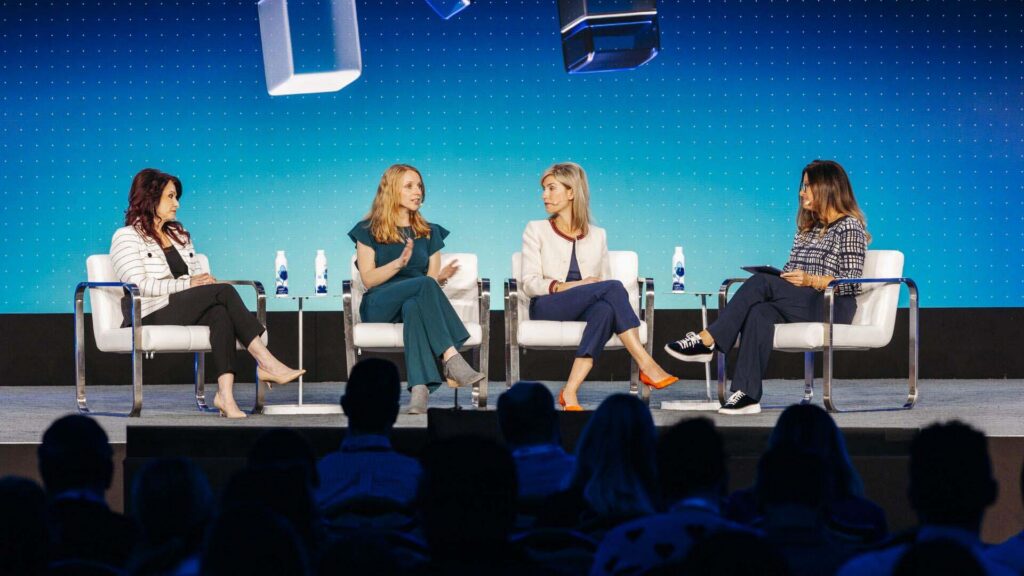
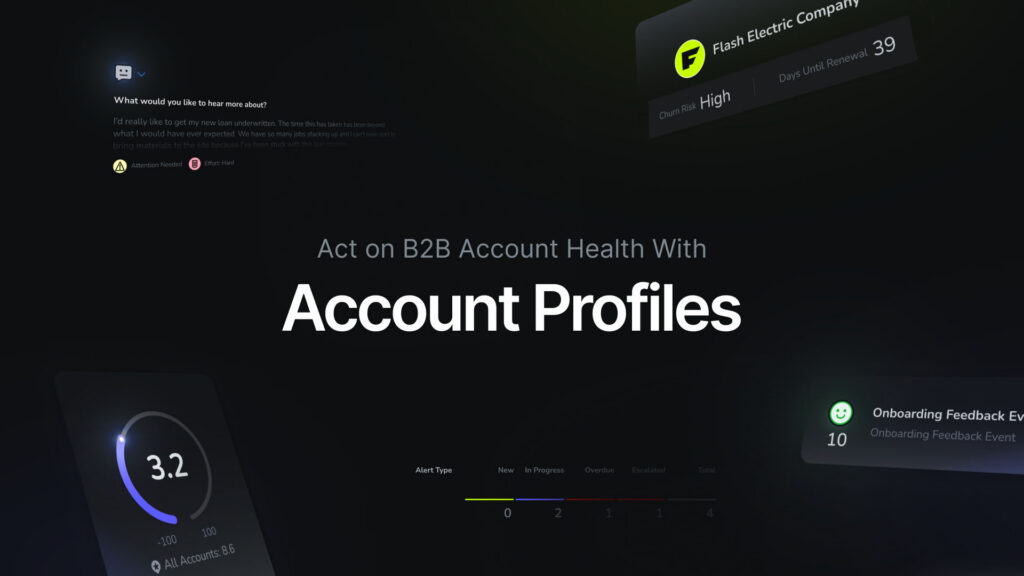
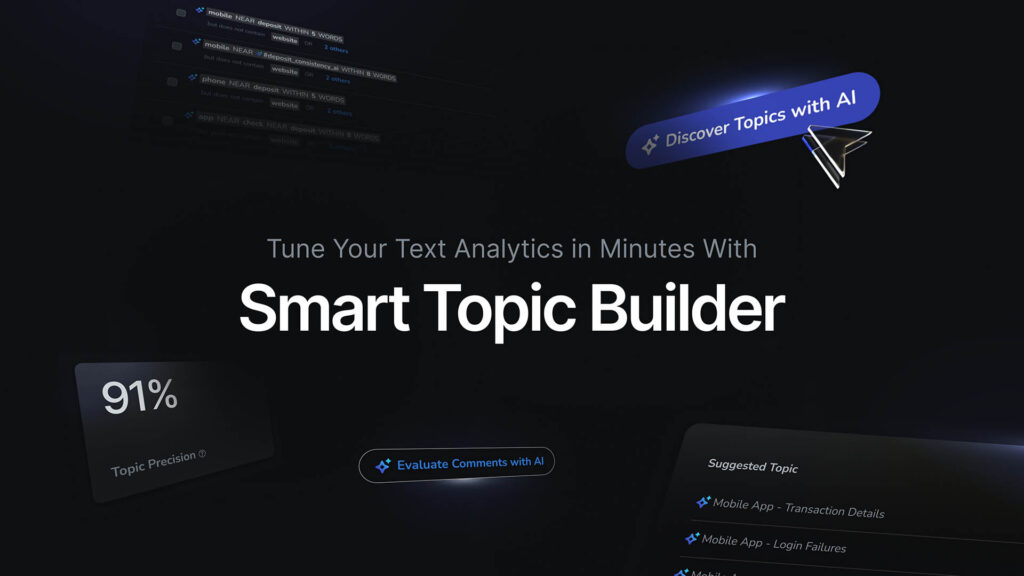
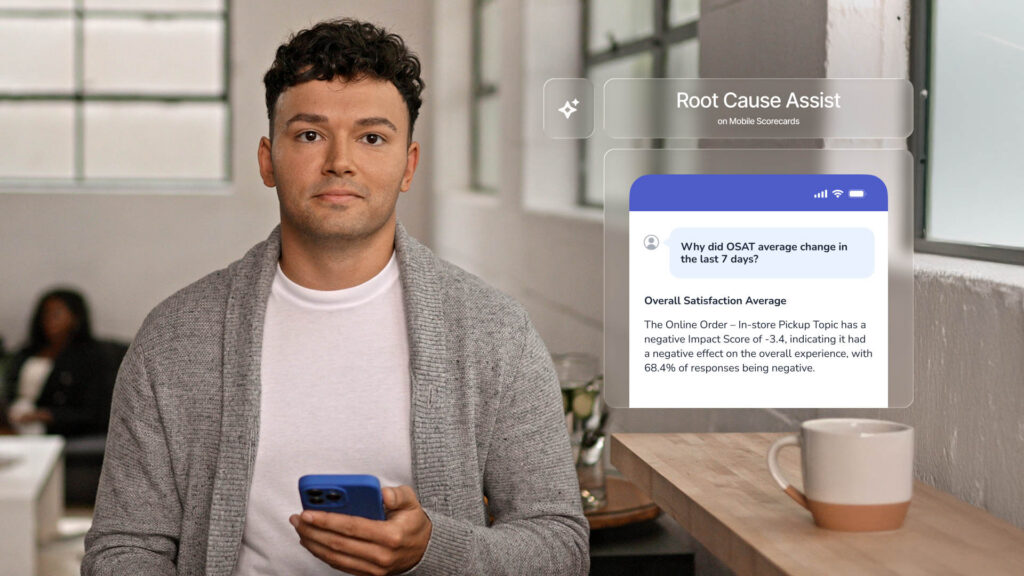
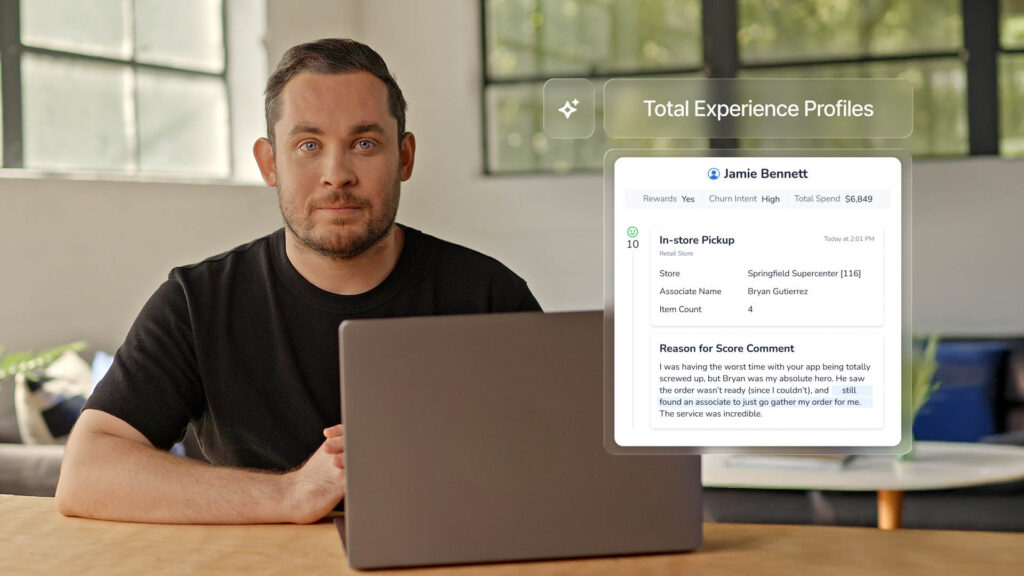
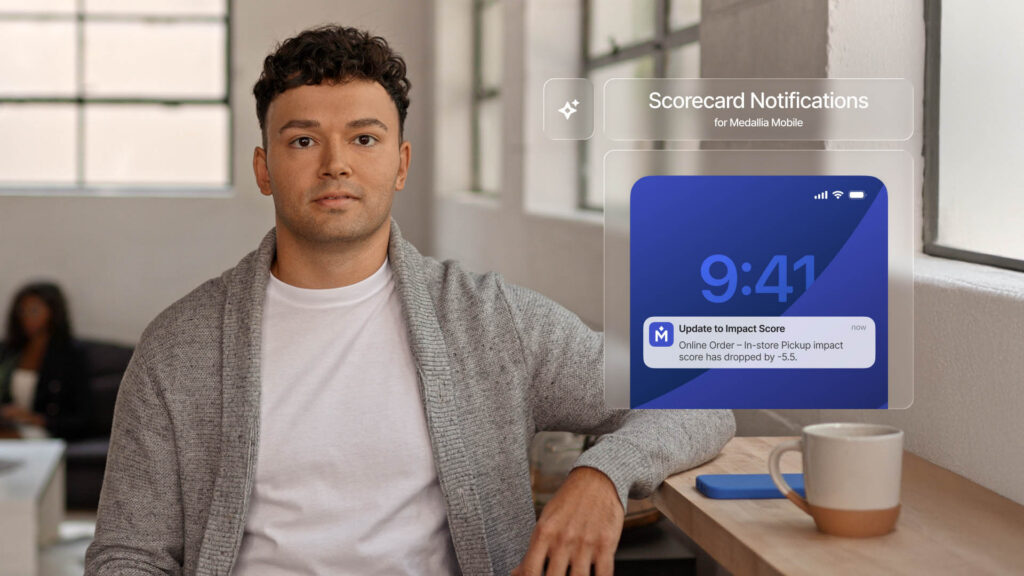
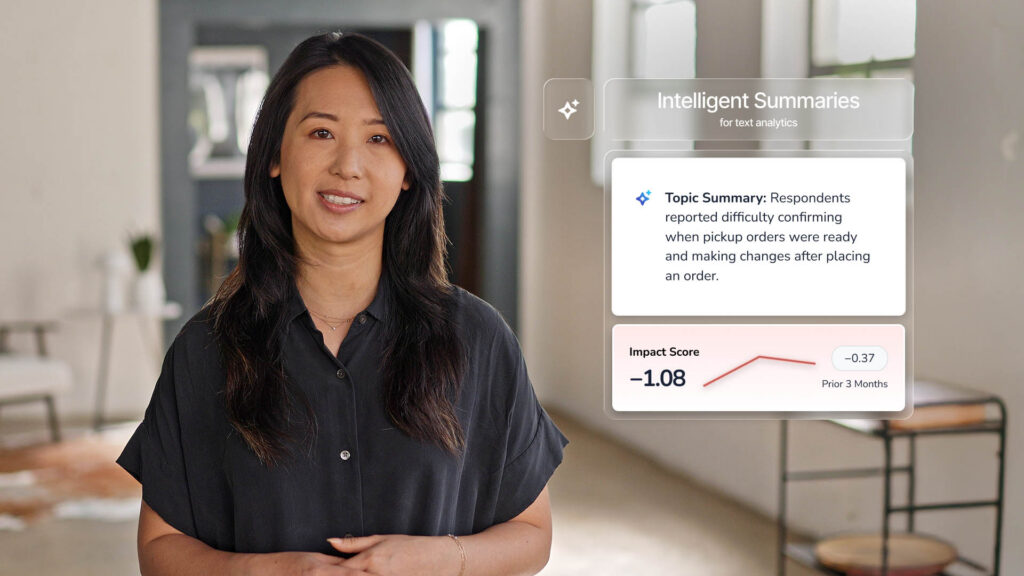
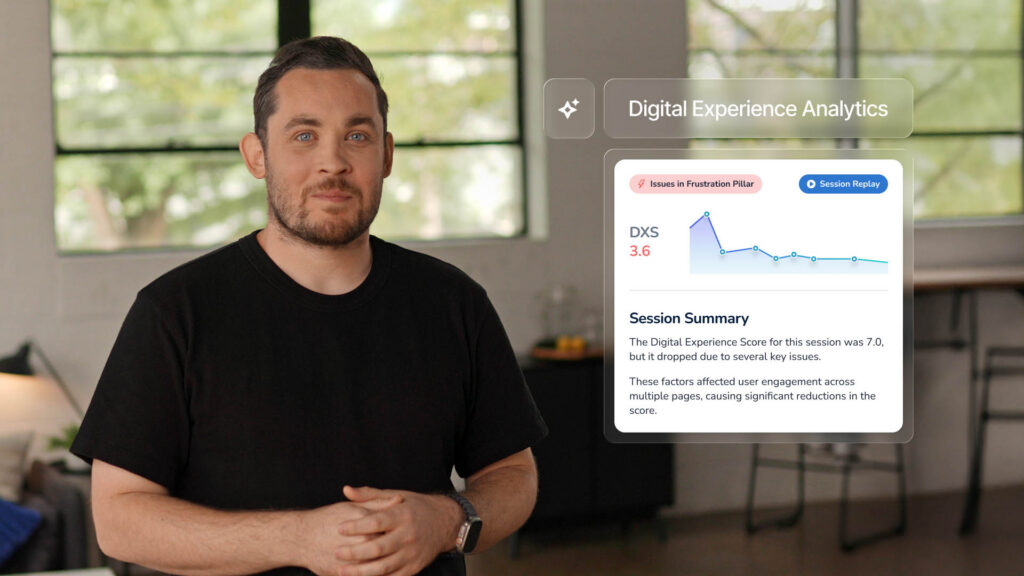
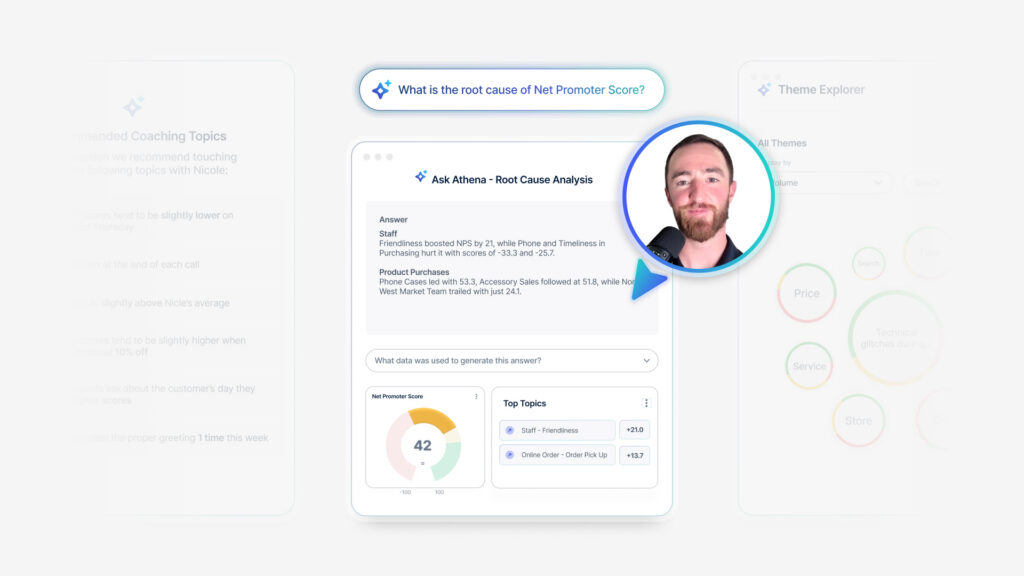
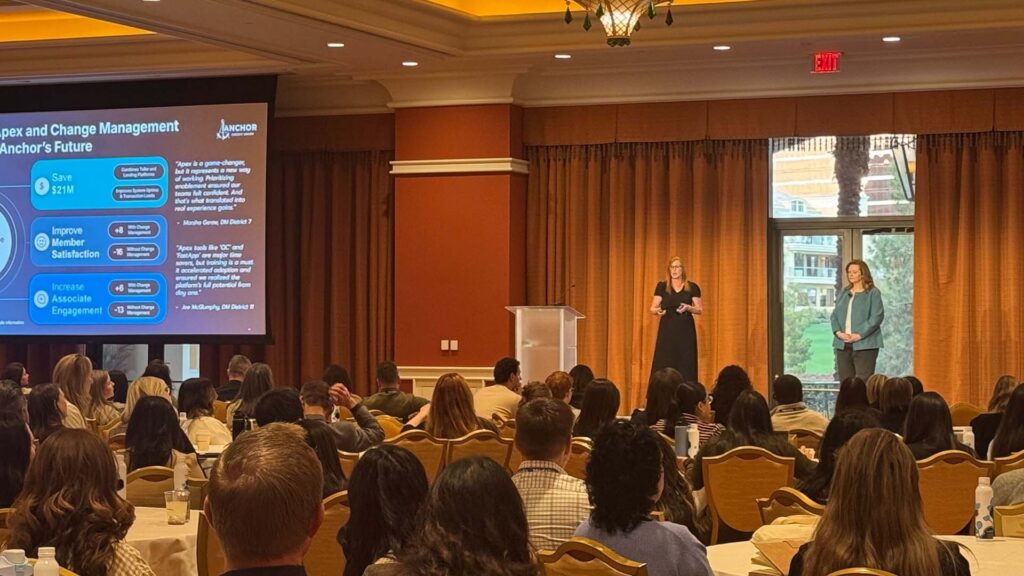
Lauren Taylor: [00:00:00] Welcome, everyone, and thank you so much for joining us. My name is Lauren Taylor, and I have the absolute pleasure to be your host for today’s webinar called Rethink CX: Redesign into a Center of Impact, featuring a stellar lineup of speakers that we are all about to learn an immense amount from. I’m joined by Colleen Fazio, who serves as Senior Analyst at Forrester.
She focuses on helping organizations build voice of customer and CX measurement programs while also conducting extensive research on the rapidly changing market we are all in. Colleen intimately understands the space, as she is also a former CX practitioner. Welcome, Colleen. Hi, Lauren. Thanks for having me.
And then I’m joined by two incredible women from Santander Bank. Santander Bank is a leading bank in the U.S. and one of America’s largest retail and commercial banks. The bank is part of the larger Santander Group footprint, which has large presences in Europe [00:01:00] and Latin America. We are joined by two members of their CX team today.
We have Kristin Boyd, the Director of Customer Journeys and Improvements, who has been focused on the bank’s customer experience for over a decade, and Caitlin Dennen, who is going on five years serving as the Head of Customer Advocacy and Loyalty Programs at Santander. Welcome, ladies. Hi, Lauren. Great to be here.
Happy to be here. Today, we are going to explore what it takes to build a rock solid foundation for experience programs that can thrive not only in today’s rapidly changing world, but also withstand future pressures. But this webinar is not going to be all theoretical. Santander will be telling us exactly how they transformed their CX program into the strategic level of the company.
With so much to talk about, we’ll get into a moderated discussion, and you will hear directly from everyone. To set the stage, let’s [00:02:00] talk a bit about why we are here today. Medallia recently launched our twenty twenty-six State of CX research, which was based on two thousand CX practitioners and consumers, along with six hundred anonymized metrics from Medallia programs.
We continue to see a disconnect between how CX teams are judging the quality of their experiences to how consumers and clients are experiencing it, but that’s not the part I want you to take away, though. It’s that this all comes back to how we are measuring, understanding, and actioning on experiences at each of our organizations.
Tracking survey responses and NPS scores are failing to capture the true reality of today’s complex journeys and missing the opportunities that exist to drive growth, reduce costs, and mitigate risks. And with that, let’s dive in to hear how you can do exactly that. Colleen, over to you.
Colleen Fazio: Thanks, Lauren. All right.
I’m here to talk about how you should be [00:03:00] thinking about your CX program differently, talking about retooling, redesigning, and rethinking. And I’m gonna start today with three questions, and if you don’t have a piece of paper, grab one, take a Post-it note, write down the answers to these three questions.
You can come back to them at the end of the webinar today. The first one: Is your program listening more than just surveys? Our second question: Am I speaking a language that resonates with my business? And third: How am I helping my organization understand our customers and AI? So take a minute, jot down those questions, and while you’re thinking about that, I’m gonna tell you a quick story about Chicago.
Back in the 1880s, Chicago was booming. Land prices were soaring, and buildings needed to be built taller to accommodate all of the growth. But there was a problem. Chicago’s city was built on soft, swampy soil, and it couldn’t support the tall buildings that were built in the traditional style of the time.
That soft foundation, it limited growth. [00:04:00] Enter architect John Wellborn Root. Root is believed to have designed more skyscrapers than all of those designed by the city’s other architects combined. It’s pretty impressive, but that’s not why I want to talk about him today. The innovation, the way he transformed architecture, is what he’s most remembered for.
Two innovations that he’s known for. The first is that he created a curtain wall to support taller buildings without adding the weight. And why was this important? In the 1880s, architects still built skyscrapers with thick, load-bearing brick walls, which were great for shorter buildings but became impractical as buildings grew taller because they were super heavy and the buildings had to have thicker and thicker walls, wasting space and blocking light.
The breakthrough that Root invented was to introduce a steel internal frame that bore the building’s weight, allowing those exterior walls to hang like curtains. The curtain wall design is showcased in that Phoenix building if you ever visit Chicago. It enabled much taller structures with broader windows to let in light, since [00:05:00] outer walls no longer had to be solid for that brick strength.
His second innovation was a floating foundation. It helps build on that soft, soft soil that Chicago was known for. It was intersecting iron rails in a concrete mat, spreading the weight across a wider area like a raft, and this floating foundation kept the building from sinking. So in short, John Wellborn Root, he didn’t just build more skyscrapers than anyone else.
He changed how skyscrapers were built, and it’s time for us to do the same. So going to our first question, right? Is my listening program more than surveys? We need to start with our foundations. That humble survey. Surveys are what most CX programs are built upon, and our data backs this up. Forrester knows that nearly ninety percent of programs still use surveys.
Adding more surveys, building up the program, if you would, has long been how VoC teams added value. More listening Now, I’m not here to tell you to stop surveys or to tell you that surveys are dead, but we need to rethink these foundations. I am here to encourage you to consider the value of [00:06:00] surveys in your program.
Despite their high use, 90% of people use them, less than a quarter of leaders rate their surveys as effective or highly effective. So nearly every program is using surveys, but only a quarter of programs say they’re doing something with them. So adding more surveys to increase listening is likely just building bigger and prettier facades, like you see in this picture.
They’re not helping the program actually move forward. It’s the illusion of impact. For CX leaders, our unstable ground, our soft soil, is this over-reliance on surveys without action. And so how do we move forward? Here to encourage you to consider how one organization, Santalucia Seguros, a leading Spanish insurance company, was able to add more listening programs to bring in more light, so to say.
Working with Medallia, actually, they consolidated structured feedback, those surveys, with some unstructured signals from calls, online reviews, digital behavior, other channels. [00:07:00] And now the system is able to detect critical signals, such as early signs of dissatisfaction or new opportunities, and to route them to the right teams.
Action, getting quick action. Teams are then able to reach out to customers and close the loop within hours, delivering timely solutions and restoring trust. And there’s real impact to this. The system was able to look at those digital signals, the calls, the surveys, and they were able to make improvements.
Their NPS has increased by 10 points. But that’s not it. NPS is not the only metric we care about, right? It was able to recover 25% of policies that were at risk of cancellation or abandonment. They were able to see those signals much, much earlier and proactively reach out to customers to save those accounts and to do service recovery efforts.
This is the action we’ve been thinking about. How do we move from surveys to action? So Santalucia example is great because it had a business metric. It was able to recover policies. And so most people know NPS because you report the score. Do they know what the score means for them? For CX to [00:08:00] mature, and frankly survive, we need to diversify the metrics that we track and how we talk about them with our business stakeholders.
Which brings us to our second question: Am I speaking a language that resonates with my business? So a company that did this, was able to figure out how to talk the language of the business, how to measure things that mattered for the business, was Vanguard, one of the world’s largest investment management companies.
They shared this at the Medallia Experience event, that sales leads were not converting from their website, and sales leads were a key business goal, but it wasn’t working. So they looked at their data, they looked at their digital experience data and the customer feedback, and they were able to really get to the root cause and to figure out what was happening, and they used that information to then improve the website As a result, they are seeing double the amount of sales leads from the website.
That’s huge. And that’s just one example, but there’s so many examples of that, bringing together multiple sources of feedback to speak the language of the business. And what does that look like? This isn’t about lip service or about reporting NPS [00:09:00] or CSAT or sort of changing the verbs you might use. This is about really redesigning how you define and how you communicate metrics.
Defining metrics that matter matters. Often that means looking at how CX impacts things like more revenue, less cost, increased resilience. The second part of redesigning our metrics means looking inward and challenging some assumptions or best practices, right? Teams, CX teams, they default to best practice metrics without validating their relevance to the specific goals that they want to measure.
For example, a digital team trying to remove friction in that loan application process defaults to in-app Net Promoter Score as a standard customer metric for apps. But NPS doesn’t measure friction, and without a specific ease metric or looking at digital behavior, the team can’t track or manage friction.
Your metrics aren’t matching what you’re trying to measure, and your metrics aren’t gonna resonate with the business. And so these are just some of the metrics that Forrester recommends you consider, things that matter to the business, like churn or review ratings. How do [00:10:00] you start to measure these in your CX program or connect your CX customer feedback to these metrics?
So once you get your measurement program figured out, you’re more aligned with the business metrics, I talk to clients all the time about communication. Speaking the language of your stakeholders doesn’t just mean aligning the numbers on the dashboard. It means helping the business understand that CX means something for them.
We have to be better communicators. We have to curate our reporting to focus attention on what changed, here’s what, why it matters, so what, and what should happen next, now what? Notice there’s no question marks on this slide. I encourage CX leaders to show up with analysis and with answers and with insights, not just raw scores.
So the third question. Our friend Mr. Root, he didn’t just stop at innovation. He embraced new technologies, and he experimented continuously, and this experimentation mindset is where CX needs to go. Diversifying listening and redesigning how we measure and report out are quickly [00:11:00] becoming table stakes. If CX wants to be a strategic partner to shape the future of the business, we need to rethink how we are helping our organization keep customers in the center as everyone pursues AI innovations.
And a company that did this is Virgin Atlantic Airlines. Like so many of us, they wanted to start using AI to support their customers on their website and in their app. But here’s the thing: They didn’t start by buying a chatbot vendor or building a new feature in the app. They started with their customers.
They looked at their CX measurement program and what customers were telling them, and what they found is that their people, the Virgin Atlantic people, were driving the highest NPS scores for the company So the challenge they faced and that they embraced was how to scale that Virgin Atlantic human touch, the warmth, the tone of voice, the personality with the AI innovations they wanted to bring into the customer experience.
So then armed with this insight, they looked at a low impact customer use case first. They kept their customers at the center. [00:12:00] They went for something that was low friction, that wasn’t gonna require customers to share PII with the AI. They really wanted to ease customers in to build trust, which we know is so important.
So they started working with AI, with the, the voice just on something like baggage. “Where’s my baggage?” Like easier questions, but it helps build trust with customers, and they had a great response. So the next thing that they did is they looked at where were they getting also high response rates in their in-person, what was an NPS driver in person?
And their retail stores, yes, they still have retail stores across the UK where you can walk in and book a trip. They found that those retail interactions were also really driving high NPS and high business value. So again, they started with the customer, they started with the human, and they went and studied how those retail experiences were resonating with customers, and they took that learning into building the next stage of their AI interaction for customers.
So they used the human learning. They used what was good for customers and good for employees to build their AI. The takeaway here is for CX pros is not you need to go build an AI. [00:13:00] It’s how are you bringing customer insights? How are you bringing drivers of customer satisfaction to where AI is being brought into the customer experience?
How are you helping your organization understand what AI looks like in a good customer experience? These are the questions that CX pros need to be asking and answering to position themselves and their organizations to succeed. So it’s taken quite some time, obviously, for Chicago to go from this to what we know and love today.
But we all, we don’t have the luxury of time. We can feel it. The changes that AI is bringing to how we work, how customers interact with our companies, they’re happening really fast, and we don’t wanna wait for second mover advantage. So pull out those answers to the questions that I asked at the beginning, and give yourself a score, one to five.
How are you doing? Five is I got it, we’re on the right track. One being we need to do some work. And no matter where you are, sort of think about what you wanna do next to improve how you answered those questions, and I have a couple thoughts. The first is on retool, and retool does [00:14:00] not mean go buy a new vendor.
We need to redesign. This is redesigning our metrics, and we need to rethink where are we going. So first with retool and redesign, that curtain wall that Welborn Root developed, hanging walls on steel instead of using heavy stones, it wasn’t just lighter. It enabled broader windows to let in more light since the outer walls no longer had to be solid brick In CX, we need bigger windows.
We need to bring in more customer feedback, more light. We need to retool our programs to get that feedback, and not just any feedback. We talk about feedback that aligns to the customer, not just random acts of feedback, as I like to say. Start with the end in mind. What data sources will help us better align to stakeholder goals and business objectives?
What will help us learn more to help us achieve our objectives? And retool does not mean buy a new vendor, as I said. It means identifying what you need first. Customer journeys are a whole webinar, but we do find that customer journeys can be a really helpful place to start aligning on the [00:15:00] metrics that matter, finding the moments that matter.
Helpful way to frame those organizational listening efforts. And then finally, improving your insights communication process. Redesign how you think about customer communication, internal customer communication. How are you best communicating with those stakeholders who need to take action? And then finally, rethink.
CX is changing. Organizations are changing. Customers are changing. How are we building our CX strategy on a foundation that can support the skyscraper we want to build? What’s the new 10, the new good? Like Virgin Atlantic, a lot of firms are starting with how to make agents more branded, those customer-facing AI agents in tone and words.
This is new territory, and CX should have a role in shaping and measuring those new experiences. What is it like when AI is good? Shopping journeys, they’re starting in different places, right? In ChatGPT and Gemini and not in Google or not on your website. CX needs to be helping organizations understand what this means for customer journeys and for customer expectations.
Own the [00:16:00] strategy. Own the so what. Help your organization translate insights into action. Upskill. AI is new for everyone. Customer experience leaders need to get educated on the art of the possible with AI-enabled interactions. Bring that to their developers to influence how organizations create new AI-driven workflows.
Waiting for IT to come knocking will only replicate the afterthought treatment many CX teams get today. CX leaders can become a trusted partner by becoming a resource on things like synthetic data, helping determine and design AI agent use cases based on a solid understanding of what drives customer loyalty for your organization.
And leaders who embrace new ways of working and prioritize tech ecosystems where AI agents, human experience, and rich data all collaborate, they’re gonna thrive in this next decade. Success will depend less on adopting new tools and more on reshaping how CX teams work with side, measure success, and govern these AI-driven experiences.
And all that requires making new connections potentially in your organization [00:17:00] and thinking more broadly about where CX can help shape your organization’s customer experience
Lauren Taylor: Thank you so much, Colleen, for all of that insight, um, and a new saying I’m gonna steal, random acts of feedback. That is one I love.
And now to hear from a team who did not wait for someone to come knocking on their door and is a great example of owning the strategy, let’s welcome Kristin and Caitlin, who are gonna share more about Santander’s transformation.
Kristin Boyd: Thank you, Lauren. So we’re so excited today to talk about a story about customer experience doing what it’s often asked to do, which is protect growth during disruption and under conditions where many CX teams would struggle to operate at all.
So during the next 10 to 15 minutes, Caitlin and I will show how our CX team transformed from a cost center to a business driver by aligning our metrics, like Colleen talked about, embedding insights into enterprise decisions, and leveraging Medallia and our internal data to drive action and measurable impact to the business.
So unfortunately, this is [00:18:00] not a story about new tools, big investments, or digital transformation. This wasn’t a transformation that was designed for customer satisfaction. We were doing things like migrating our core to the cloud, exiting products like IRAs and safe deposit boxes. We were closing branches and reducing services while operating under a cost containment mandate.
All of this to say there was no good news or trade-offs that we could bring to our customers. There was no offsetting benefit, no enhancement story, no gives and takes. Every lever of disruption was being pulled at the same time, and to say we were worried was an understatement. So everything we’ll share today happened with no CX capital investment, no new tools, no added resources.
What changed was how we worked and how CX showed up for the business and became a key lever for retention and growth. So our goal today is to show you how we do that and how we evolved from a support function to a center of impact that reduced attrition, protected deposits, and improved loyalty all throughout the fundamental changes happening within the business.
As [00:19:00] I mentioned, we quickly realized that with a number of changes happening and the vastness of the impacts, we couldn’t be thinking about customer journeys or changes one by one. There was multiple changes, and customers were experiencing them at the same time. So we looked at how many changes customers would experience, which were most disruptive, when they would be happening, and we layered that with deposit value and relationship depth so that we really had a clear view of risk and value of our impacted populations.
So when we show you this as a CX slide, what’s so important about this? Colleen just talked a lot about how we align our metrics to the business, and if you look at this page, there’s not a single, quote-unquote, “single CX metric” on this page, right? It’s all business metrics, customers, deposits, and segmentation And this slide became a powerful illustration in the power of how we engage with the business by speaking the language of the business using more than just NPS and more than just surveys.
And using this, we were able to demonstrate that without thoughtful coordination of our customer facing and internal activities, we faced real risks to our experience, [00:20:00] loyalty, trust, and our deposit portfolio as a whole. So I’m sure you’re starting to realize this wasn’t just an abstract analysis. This told us and the business where attrition would come from if we didn’t intervene intentionally and plan our communications thoughtfully.
It told us where we needed to spend the most time, and at this point, CX stopped being about the scores. It became about defending deposits, retaining relationships, preserving trust, and protecting long-term loyalty. We knew, of course, there was forecasts and risk models, and we knew if customers didn’t understand what was happening or felt blindsided, they would leave.
And with the changes we were introducing, we were making it easier for them to make that decision. So the mandate became clear. We had to grow, but it had to happen inside the box. And so what do we mean by inside the box? It meant that we had significant constraints like I talked about. There was no CX capital investment, no new tools, no head count, no digital enhancements that we could offer as good news to our [00:21:00] customers.
And of course, no changing the decisions that had been made, the timelines of the projects going forward. Everything was planned, everything was in motion, and so we were in a place of significant transition for our customers, and we had to evolve how we operated from the core to our branches while this was happening.
Medallia was in place, but nothing new was coming. So instead of asking, “What can we build?” We asked the CX team, “How can we execute better with what we already have?” And that’s the mindset shift that set everything in motion. So we’re gonna take you through what that means from our team, how we use Medallia, how we structured the work and prioritized, and how we got through this change while improving customer outcomes.
So this is where the rethinking happened, to tie back to Colleen’s guidance. It required a fundamental shift in how we operated. This meant that we could no longer be a support team or simply advise. We had to own and prove that our ownership could drive the business towards its goals. Previously, we were organized by [00:22:00] journey.
We were very reactive in terms of looking at the insights, and we were insight rich but action poor. And so through this transformation, we reorganized CX into a center of execution. We are fundamentally aligned to the business priorities, we are accountable to outcomes, and we are responsible for moving insight into action.
And our role changed from raising concerns to actually owning results. And so as we go forward, Caitlin will take you through how we did that.
Kaitlyn Dennin: Thanks, Kristen. So let me share with you how we put this into motion. Now that you have a background on where we were as an organization and a team, we’re gonna walk you through the five core areas we focused on that delivered the results and set us up for strong execution.
So first, we’ll share with you how we set up our CX team to strategize, analyze, plan, and truly deliver results. Modernizing insights is about how we updated our Medallia tool to not only help us measure results, but predict [00:23:00] impact and drive action. We’ll share how we used the insights we were gathering to own and to build and deliver key programs to improve experiences across the channels, and then we’ll talk about how we brought together our partners and stakeholders from across the business to gain buy-in and alignment on an ongoing basis through establishing a governance process.
Finally, we’ll close it out with owning the customer strategy, being how we, the CX team, were supporting our customers going through this significant change to help retain and grow relationships. So let’s first talk about how we organized our CX team. As we considered all of the change that was coming, we identified exactly what we’d need to do to be successful, so we centralized the team around four execution areas.
Insights generation and analytics was dedicated to getting as much actionable insight out of our surveys and really pulling in custom [00:24:00] data integrations so we could learn and know as much as possible about the customers being impacted and could prioritize following up with them using our closed loop process when they experienced any friction.
Our journeys team was hyper-focused on putting on the customer hat in a step-by-step way to uncover exactly what our customers will experience. We used journey maps to help identify where to expect the most friction, which really enabled us to advocate for the best possible solutions and escalate where there were dead ends and really uncover the total customer impact any point of friction would lead us to.
Pulling in the communications team was a significant move for our organization. Typically, communication teams live somewhere else within the marketing org or within operations. Pulling the communications team under CX for us meant every comm could be assessed for what’s important to customers, what they need to know, and how to best convey it to them.
And then [00:25:00] finally, advocacy and loyalty programs was another new area of focus for our team. This team was dedicated to building programs that directly reach out to customers, whether through an inner loop CLF follow-up, escalated resolution, gifting program, or more. This truly enabled us to build loyalty through exceptional experiences.
This gave us a clear focus, not just on what we own, but on what we don’t. If we decided as a team, if it doesn’t move our customer metrics or our business metrics, we weren’t going to pursue it. So now that we’ve talked about putting the right team in place, let’s talk a bit about modernizing insights.
This is where Medallia fundamentally changed roles for us. It moved from being a reporting tool to an execution engine. First, VoC one oh one strengthened our foundation. We rebuilt our feedback programs to drive action. Every data point had to [00:26:00] have clear ownership, and we streamlined our surveys to focus on questions that lead us to decisions.
This reduced bias, ensured alignment, and of course, was strengthening the foundation that we were going to build on over time. Next, we started to apply insights in more strategic ways. So in preparation for all the friction we were about to introduce, we proactively identified customers who were going to be most impacted by the upcoming changes.
We tracked their ongoing experience and used a pre-post analysis to measure the impact and adjust in real time. Using regression analyses, we isolated what truly drives satisfaction and loyalty, so we could focus effort on the levers that actually move outcomes. We layered in internal segments, so we could see how different customer groups experience Santander, and we could target improvements more precisely.
And then finally, a closed loop quality control program. So this is a new overlay to our preexisting program, a [00:27:00] second level of CLF. We now flagged unresolved issues in near real time and had a dedicated follow-up ensuring we don’t just capture feedback, we truly act on it and make sure we’re resolving any customer issues.
Overall, this shift allowed us to move from looking backward to actively shaping the customer experience going forward. So we’ve strengthened our foundation of the VoC program, layered in additional data critical to segmenting our customer’s experiences. The journey team helped identify where customers were experiencing friction.
All of this enabled a clean, clear understanding of the top opportunities. So here’s what that looked like in practice. On the left, we quantify the impact of an opportunity. So we pulled in NPS and satisfaction, call drivers, complaints, attrition, balances, so that we’re clear on why all of this work matters.[00:28:00]
In the middle here, we’ve isolated the specific pain points using Medallia insights and text analytics, what customers are actually struggling with within, for this example, the login experience. Then we translate that directly into what work needs to be done, what’s already planned, what’s in progress, and most importantly, what’s not planned.
What work do we need to advocate for? And on the right, we connect it to expected impact. How does fixing these issues reduce friction, lower call volume, improve MPS, increase deposits, reduce attrition? What we know is most meaningful to our business. So this becomes a full line of sight from customer signal to root cause to action to measurable impact.
This very quickly became heavily adopted as a source of truth for our leadership team and business partners throughout the organization. Using this data helped us get key initiatives prioritized, and when [00:29:00] changes were made, helped explain improvements in NPS or when issues incurred, explained declines.
Because we couldn’t invest in new technology, though, we invested in something just as powerful, behaviors. Our driver analysis showed that customers already love our branch teams, right? When our branch teams provide a great experience, there’s a significant reward. But when they don’t, there’s a penalty.
What we learned is that the experience wasn’t consistent throughout, by channel, by location, and the best brands deliver the same standards everywhere. So we use customer insights to define what great hospitality looks like at Santander, and we made it very explicit. This wasn’t a one-time training. We operationalized at every level of leadership, our regional president, our call center managers, they were all trained and held accountable to these standards.
We reinforced it with [00:30:00] assessments and quarterly calibrations to ensure consistency across the entire footprint, and we made it tangible, clear, observable behaviors. Being ready early, minimizing wait times, improving call quality, creating a more welcoming in-branch experience. These are all part of our hospitality standards.
None of this required capital, but it required discipline and consistency, and that’s what allowed us to elevate our experience across every channel. But the work still wasn’t done. Kristin will tell you a bit more about how we were able to sustain all this work and leadership buy-in through the governance model we implemented.
Kristin Boyd: So this slide represents one of the most important shifts we made. We stood up a CX and marketing forum with end-to-end oversight of customer impacting change. This is where stakeholders from across the business came together to review the end-to-end impacts to customers, to align sequencing, timing, messaging, and of course, readiness of our team is [00:31:00] prepared to handle customer questions.
It ensured we had consistency for our internal teams and external teams, and across initiatives that would have previously moved independently in siloed ways. So this led customers to experience change as a coordinated story, not chaos. And one of the most important things here that happened is it gave the business a place to bring concerns about impacts, projects, and messaging so that we could consider those concerns holistically across the scope of the customer journey, and impacts to the broader scope of the business.
Within governance, we had four work streams to actually break out and own the work. We had messaging architecture focused on the customer flows, protect and defend, which is really about the sequencing and the segmentation of understanding impact, future state journeys, which helped us look at retention efforts, and employee experience, and as you can imagine with so many changes, this was critical to make sure our teams had the right tools and readiness training to help customers through this change.
This wasn’t theoretical. It [00:32:00] was where real decisions were made about who we contact, when, and how we prepare for that. This is probably one of the most powerful artifacts we built. It’s a journey, not in the traditional sense, but a journey in the sense of over time, the actual experience a customer would face when they were facing multiple changes across weeks and across channels.
What this allowed us to do as a business is adjust communications, identify where retention strategies could be proactively deployed, and this is where CX moved from insight and advisement to orchestration. We knew we couldn’t change timelines, but we could go into this with full awareness of what changes customer would, would experience together.
We could think about consolidating communications, ensure that our support teams were 100% ready to support customers through the change, and this really helped us internally illustrate the importance of having consistent language and positioning. It was true for both customer communications and internal.
We knew that our customers receiving notice of multiple changes could be concerning, [00:33:00] and how our teams were prepared to help them was critical. And this also helped us determine when different retention strategies before and after key impacts would be most effective. And the last pillar, this is more of the delivery that we as a CX team brought forward, how we owned the strategy.
For the forum, we were responsible for bringing research plans, strategies, maps, and escalated concerns. We weren’t advising the business on how to do these, but we were bringing the discussion forward. We were leading the now what and what do we suggest we do about it? We implemented retention strategies, things like gifting and events based on level of impact and research based on what was important to our customers and their banking relationships.
And again, all of this gets at the strategic data grounded execution that as a CX team we delivered targeted to specific customers where we knew these things would matter most to, again, protect the business and protect the loyalty and trust that we’d built up over the years with our customers. So now as we start to close out, Caitlin will show you how this worked out for us.[00:34:00]
Kaitlyn Dennin: So here’s the result of all that discipline We realized only 21% of projected attrition, 104% of IRA balance retention goals. Impacted customers had meaningfully lower balance attrition than expected, and we incurred $6 million in cost savings from paperless migration. Customers stayed even when we changed everything all at once.
Our growth came from discipline, not spend. This worked because we focused on three things: insight, alignment, and disciplined execution. We didn’t just advise, we executed within real constraints. So as you think about applying this, pair your VoC with internal data to drive action. Focus on high impact opportunities to build credibility, and create governance tied to business priorities and truly own the outcomes.
This is now how we operate [00:35:00] globally at Santander. CX isn’t brought in late anymore. We’re asked to lead early, because CX isn’t a cost center, it’s a growth engine.
Lauren Taylor: Kristen and Caitlin, thank you so much for sharing. That is such an inspirational story, and showcases all the guidance that Colleen was talking about, and what happens when you are thinking about strengthening that foundation, changing that mindset on the team, and how you really earn the right to lead, how you’re thinking about connecting it back to the business, and really thinking about the people as the cornerstone of how you can be making all of this change happen.
Um, thank you so much for sharing. And now we are going to get into even more discussion, because this is all about the details. Everything that Colleen, Caitlin, and Kristen have shared, there is so much that has to happen with alignment. Alignment on purpose, alignment with executives, alignment on execution, and so we’re going to dive deeper into that with [00:36:00] questions for our speakers.
I want to start with the why. So first for Kristen, you redesigned the Santander team to be a centralized CX engine. But how did you decide where CX should directly own versus
Kristin Boyd: influence? Lauren, I love that question because it’s something that was really intentional but took time to get to. For us, where we decided where to own was where there was clear impact to customers, but not clear ownership and risk to the business, right?
We knew that there was impact to customers, risk to the business that wasn’t being intentionally addressed, where we could see there was attrition or retention, loyalty risk. For us, most of the time, these things cut across groups or departments. We knew that everything being delivered when we talked about the transformation, of course, there was somebody owning each individual project, right?
For us, it was how do we bring that together and bring forth, um, deliverables, frameworks, visualization of the impacts, [00:37:00] quantifying the cross, you know, the segmentation, the overlapping impacts to the business so that then we could earn the right, as you mentioned, to own the deliverables that we talked about and truly drive the business forward.
And when we didn’t own the work, right, we also supported by building frameworks to help visualize, give guidance, language for consistency. We also brought forth research, right? But this took many intentional conversations about what we were delivering, how we were delivering, setting milestones, and bringing forward to show there is value, right?
And of course, as every good project should, we looked back and said, “Here’s the impact,” right? We looked back and said, “We expected this level of attrition, and actually we experienced 20% of that,” right? That was the type of thing that, that helped us earn the right when we proved those business results.
Lauren Taylor: I love one of the things you just said, Kristin, about being intentional, because making a shift this big for the mandate of the CX team does require [00:38:00] what you both had of that crystal clear mandate and thinking about where the CX team can go.
Colleen, you have seen this from not just one organization, but many. You’re advising and talking to hundreds of Fortune 500 companies every year, and, and I call it almost like an identity crisis that most CX teams are in right now as they’re thinking about their main mandate and how they show up for the business.
What specific skills, relationships, or processes should they be investing in today so that they can be
Colleen Fazio: driving more ownership? Thank you, Lauren. Um, Kristin and Caitlin, I feel like you are a case study in how to do this really well. I love the last point you just made, Kristin, about looking back and measuring.
You know, we expected attrition to be X, and it was actually Y. That’s the, a part of the VoC model when we talk about sort of listen, interpret, act, and monitor that often falls down. People think monitor, we’re sending an NPS survey, we’re doing the right thing. But monitoring should really be something that is a shared goal, [00:39:00] right?
The business is trying to reduce attrition. How are we all contributing to that? Let’s see what happens. So you all are doing the right thing, and I think that’s something CX teams need to think more deliberately about when they think about aligning with the business goals, the business metrics, is how are we measuring outcomes, and what does good look like?
Again, maybe it’s not 100%, it’s less 20 or whatever the case may be. So again, I think thinking about for skills and CX teams and sort of finding their way forward, how are we measuring success for the business, not just for our team improving our own ROI, but how are we showing that delivering a good customer experience does matter, does help, does improve those business outcomes?
The obviously other one is AI. I mentioned during my, my talk, but, um, there’s a lot of focus right now in organizations on learning how to prompt and using Copilot or whatever the case may be. But we find in our research that organizations with high AI adoption that are doing AI well are both customer-led and focused on customer-facing outcomes.
So they’re not the organizations focused on efficiency, they’re the organizations focused on [00:40:00] designing helpful, useful AI use cases that are customer facing. And where better for CX to lean in and lead than on helping organizations define what those use cases are based on everything we know and measure how well they succeed.
And so CX really needs to be leaning in on their AI skills and their ability to sort of speak the language of AI in their organizations as well
Lauren Taylor: I agree, and that’s a great segue, so thank you Colleen, to our next question, which is now we have that purpose. We’ve expanded it. But, but now what? It’s all about the doing.
And so for Santander, there was this big unlock that you spoke about that happened once you re-architected the team. So Kaitlyn and Kristin, you took us through the four new core areas you did to focus on the bank’s biggest needs. I wanna dive deeper there. Kaitlyn, can you tell us more about, like, what changed when you started understanding more than just the survey feedback?
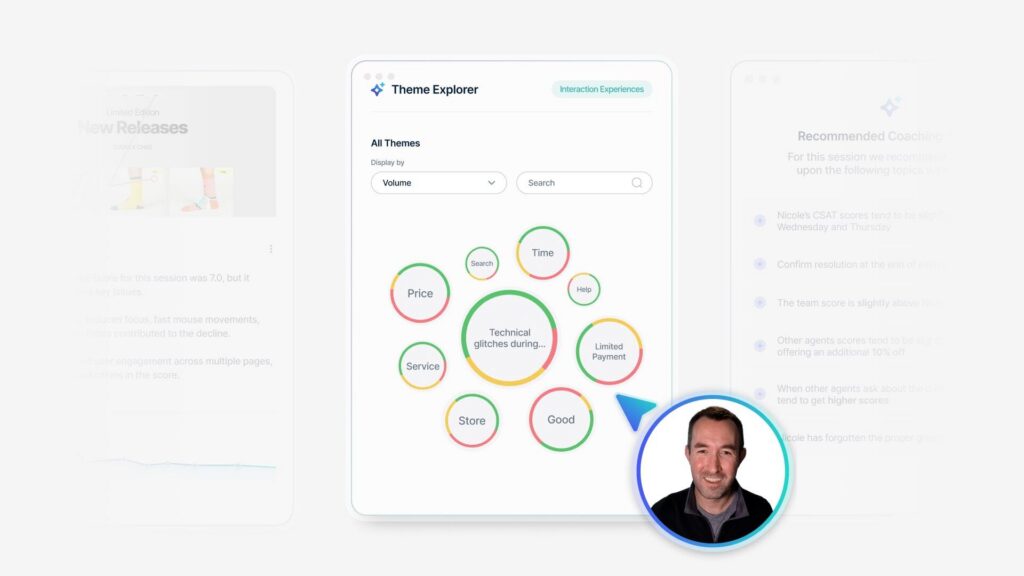
Kaitlyn Dennin: So like I mentioned, Medallia is the [00:41:00] foundation for our insights. We always start with the voice of our customers first. What are they telling us is working well? What are they telling us is not working so well? And then we started layering in these other data points, right? Our complaints, our CSE call volumes, and started pulling in and tying back to our business metrics.
How is this point of friction impacting deposits and attrition? So starting with Medallia Insights, our customer feedback as the foundation, layering everything else on top of it, um, truly helped us identify the impact of any particular issue or opportunity, as well as the potential for making improvements.
So this ties back to speaking the language of the business. Pulling in data owned by other teams also helped create buy-in with a sense of ownership in the story and the solution building. It wasn’t just CX saying, “Here’s all the problems. Here’s what our customers are saying [00:42:00] is an issue.” It’s, “Here’s what our customers are telling us.
Here’s how this is coming through, being… This same topic, the same theme is being pulled through, and you’re hearing this in these other areas of the business. Come along for the ride. Let’s build this solution together. Let’s implement it, own it, execute, and really make a meaningful impact for our customers.”
Lauren Taylor: Kaitlyn, I love what you also just shared about it really being a team sport, right? Bringing everyone along on that journey. You mentioned that you were getting complaint data in, call data. A lot of teams struggle with building that relationship with their, their call center, their contact center, their customer care, depending on what you call it.
How did you on the CX team go about building that relationship with the call center team?
Kaitlyn Dennin: Yeah, that’s a great question, too. When we say speaking their language, we really had to look at what existing reporting did they have in place, and how could we help translate [00:43:00] The two languages, the VoC language, taxonomy, whatever it is that we’re measuring and reporting on, as well as the CSE, so that we could align our programs so that we could easily connect and talk to each other about what the key themes are using that same language, and same thing with the complaints data.
I think the biggest struggle for organizations is pulling the data together means you have to align on definitions, right? So that’s where we started as our foundation for pulling together all of these different data points, is making sure that we all were on the same page in terms of what does this topic mean, so that we could cohesively pull our message together.
Lauren Taylor: Yeah. No, that makes so much sense. And, and one thing I’m thinking back to when you were speaking is how you were able to pull all those insights together for that center of prioritization and how important it is for the business, no matter what technology you’re investing in, but making sure that it is able to pull in whether it’s that survey data, [00:44:00] which sometimes can be more quantitative, obviously we have our verbatims and the text comments, but then also thinking about all that messy data out there.
You just talked about how you’re bringing in calls and complaints. You also mentioned earlier how you were bringing in some of that operational data to really understand those segments, and being able to have it all in one central place in Medallia really helped you unlock the business. Colleen, I wanna have you provide a little bit of guidance on exactly that.
You know, a lot of teams are looking at their tech stack right now, and they’re thinking about, you know, “Should I keep, should I move? How should I be thinking about my enterprise CX platform?” There’s so much to consider as you think about what you’re building today and then how you’re evolving for the future.
What advice do you have for teams who are thinking about their tech stack and how they’re building their CX team into a center of impact? It’s
Colleen Fazio: a huge question, Lauren. As you know, um, I spend a lot of time working with clients on this, and if there was an easy button, I’d be living on an [00:45:00] island like Malta right now because it’s, um, such a big question that so many organizations are really struggling with.
And it’s not where it used to just be buy versus build and sort of, you know, once you make that decision, there’s a few vendors, you do an RFP and you’re done. It’s so much more complicated now. There’s so much overlap between different vendors. LLMs and GenAI have introduced a whole new world of build and manage that wasn’t part of this conversation before.
And so for anyone struggling, just know you’re not alone. This is complicated. There’s a lot of change right now. But I think focusing on the goal really helps sort of- Help people align, figure out what they’re trying to do. And so Kristen and Caitlin, they knew that they had to not expand their tech footprint.
They didn’t have more money to throw at the tech. So how do they work with what they have? They looked at the sources they had available to them. I love the point about talking to the contact center and the customer service center and defining on terminology, you know, what do these topics mean? So it really is almost a human problem before it’s a tech problem, like really aligning with the rest of your organization on what are we trying to do with our CX program, where are we trying to go with our [00:46:00] CX program?
And then who has tools? Where can we beg, borrow, and steal potentially tools within our existing tech stack? Are there ways we’re not using our existing tech stack to its full capability? And so really looking at what you already own, I think, with a really keen eye to can we move forward on our key priorities and our key goals with the tech we have?
Or if we have to move, okay, how are we getting more out of the next tech stack that helps us move from action, from insights to action? You know, we still need to have repeatability. We still need to have governance. Like there are some key things if you’re an enterprise organization looking to buy tech that are still really important that the buy versus build conversation, I think looking at can you buy it?
Yes, and you’re buying also all the R&D and all of the intel that an organization has built into that package vendor, versus if you’re building it, do you have the capabilities in-house to also manage it? Do they have the capabilities in-house to sort of run their own in-house IT? And so you have to think about these conversations [00:47:00] as different flowcharts, I think, internally, starting with your dis- your existing tech stack, your customer goals, your business goals, and then thinking really strategically about where your organization wants to go from a strategy perspective on how they wanna manage tech going forward.
Lauren Taylor: Mm-hmm. Mm-hmm. No, it makes complete sense. In one word, we’re gonna give it the big capital letter G for governance. Governance. It came up a little bit when Kristen and Caitlin were talking about how they rolled out the, the impact at Santander, but also it’s so important, and I think so many times there could be something shiny you see in a demo.
But as we’re talking about can this scale to millions of frontline teams? Can this scale to tens and hundreds of millions of your customers who are receiving those types of AI communications or AI actions? And governance is such a core foundational element as we think about how we scale these ever-changing programs.
And so, so right to think about, you know, the security, the, the enterprise scale, the governance, and is it really gonna [00:48:00] work for your organization? Um, so definitely lots of conversations I’m sure, Colleen, you have every day about that. And now another hot topic I wanna turn us into, from governance to how you’re aligning with your teams.
Kristen, I’m gonna start with you. Um, for Santander, where along did the journey, did executive alignment really start to take shape?
Kristin Boyd: I love this question, and the answer is a bit of a story. So as transformation was beginning, the businesses were hearing about different, you know, higher level strategic decisions were being made, whether it’s the core migrating to the cloud or different products and services being removed.
And as a CX team, we would be engaged to say, “Hey, can you help us with this?” And it was at first a little bit of a Whac-A-Mole, right? And as a team, we started to say, “Hey, did you hear about this happening? And did you hear about this? And did you hear that every c- like, that we’re, you know, migrating all of our customers to on-sale [00:49:00] products?”
So it started off kind of as a list of, “Hey, this, this list is growing. There’s a lot of things changing.” And so with that, we kind of… I would say it was a little bit of a snowball effect, right? As a team, we w- came together and say, “Here’s the list.” We went with our data partners and said, “Hey, um, are you guys aware of any other things?
Like, you, you… You know, data’s pulled into a lot of projects. But also, can you help us pull the number of customers impacted by these? And can you pull their vo- their deposits, right? And, and can you help us segment them a little?” And so that’s where it really started to snowball, because once we were able to paint that picture of what these impacts truly were, a lot of eyes were opened to say, “This is big.
There are a lot of customers impacted. Most of them are not just impacted by one, more two, some three, and so on changes.” And so that’s really what opened the eyes and drove the creation of the CX forum, where everyone locked arms and said, “We need this to be coordinated, and we need these decisions of how we help our customers through this to be made in a centralized way.”
So, um, that’s really where the executive alignment
Lauren Taylor: started to take [00:50:00] shape. I love that story because it’s not an overnight success, right? You really dug in and thought about how you could be evolving the bank. And finally, Colleen, Caitlin, Kristin, our final question for today, which is so much about also we’ve been looking back, we’ve been talking about those best practices as we’re also thinking about building for the future.
Colleen, I’m gonna start with you. One of your final takeaways from your portion was that CX leaders need to rethink their role entirely. What is one major misstep that you see leaders making as they are rethinking about their
Colleen Fazio: function? Ooh, another really big question, Lauren. I think the quick answer to that question is that assuming you can buy a box of CX, so folks thinking that if we just change vendors, it will help us get to the next level, it’ll unlock something new, and that is so rarely the case that if you buy a new technology, your CX program will automatically mature, and you’ll automatically get executive buy-in, [00:51:00] and you’ll democratize data.
It’s so much more about that culture, and it’s so much more about being deliberate and intentional about where your CX program is going and how you’re gonna help the business. And so I think technology is a really valuable tool, but it’s not the answer to maturing and redesigning, rethinking your CX program
Lauren Taylor: Mm-hmm.
No, that is great advice. Um, and also you gave me another saying, a box of CX. I’m just gonna add that to, add that to my list. I’m gonna get the shirts. Um, Colleen, you’re on a, you’re on a streak. Um, now for Kristin and Caitlin, I have a, I have a question for both of you, but Kristin, I’m gonna start with you.
Looking back, what was the biggest challenge that you feel your team and yourself faced, and is there anything you would do differently now?
Kristin Boyd: This is a great question, Lauren. I think this is one of those ones where hindsight is 20/20. I’m gonna go back a little bit to what we talked about earlier on the executive buy-in, which is being at the [00:52:00] table very early, right?
Is something that Caitlin talked about, which is what we try to do differently each and every time, you know, we hear of something. And the more value we bring, the earlier we’re brought to the table, right? So that’s, that’s less of a challenge now, but looking back, being at the table earlier would have, um, probably not resulted in the, the first conversations where we said, “Hey, does everyone know that this is even happening?”
Because we all would have known and been coordinated much earlier on. So I think that that’s probably the biggest thing is continuing to build the… Earn the right and build your team in a way that you are always at the table from day one of the conversations so that the customer strategy is not secondary to the project strategy and execution.
Lauren Taylor: Silos are real, and they’re hard to break. Um, and, and I’m in awe of everything that Santander has done to break down those silos. So thinking about that, and even as you have been breaking down those silos and you’ve earned that seat, what’s next for you and the CX team? With all the transformation and success you’ve just [00:53:00] had, what’s, what’s the next goal and business outcome that you and Caitlin are thinking about achieving?
Kristin Boyd: So we’ve got big things ahead of us and, and more normal business activities ahead of us, which is actually refreshing, right? We’ve taken the model that we’ve looked at using kind of this, what are the insights? How do we bring the, the now what to the table and build plans? And so we are using that now in our sort of everyday life, um, for, for the different products and services that we offer and driving for those, those plans.
And so that’s been really a way to continue to drive progress and help us achieve our business objectives and of course our, our CS objectives. And then as we have broader transformation, new transformation things coming on board, we continue… We’re actually in the process now of standing up another new CX forum again, specifically toward, towards another major initiative we have coming up.
So it’s really just become the operating model, um, and we continue to, to evolve and improve that model each time we go.
Lauren Taylor: Mm-hmm. I love that. It is that operating model. You’ve built a system, and the system has to [00:54:00] keep going. Um, it cannot shut off, and so you are thinking about that continuous improvement.
Kaitlyn, where do you see AI as part of your CX journey?
Kaitlyn Dennin: Yeah, I think about this a lot. What I can share with you so far is how we’ve started using it most recently. So when we think about how we’ve really pulled together the data from multiple different areas of the organization, this is data that my team has historically been less familiar with, right?
So the VOC program, we can tell you exactly what our customers are telling us with our eyes closed. We look at it every day. Now, CSC call volumes tied to their topics and complaints tied to their topics, when we’re looking holistically across all these other programs, AI is really helping us able to, be able to get more familiar with all of this data in a significantly shorter amount of time.
So projects that would’ve taken us months before is now taking [00:55:00] us days to quickly uncover customer insights, what’s the root cause, and really surfacing actionable opportunities. So then we’ve gotten into … we’ve started getting into a little bit of the, uh, rapid desk research, we would call it, right? So now we, we start getting curious and we say, “Okay, we know all of this insight.
What are other organizations doing? Just give us a snippet,” right, before we’re going to the research team and saying, “Hey, really, uh, help us get into the weeds on all of this,” so we’re able to have smarter conversations with our business partners, and essentially build out, in partnership with them, stronger solutions more rapidly, really improving the quality and speed to market of those, uh, implementations of, of the new
Lauren Taylor: initiatives.
Awesome. Well, thank you so much, Colleen, Kaitlyn, and Kristin. I can’t thank you enough for sharing all your insight with [00:56:00] us today. And if there’s one thing I hope everyone listening today takes away, it’s that you don’t need a perfect moment, a bigger budget, or a shiny new AI tool to start driving real impact.
Colleen laid out exactly what the research shows. The CX teams that are winning aren’t the ones with the most surveys or the highest scores. They’re the ones who retold how they listen, redesigned how they communicate, and rethought how they show up for the business. And Santander lived it under real constraints, real disruption, and real pressure.
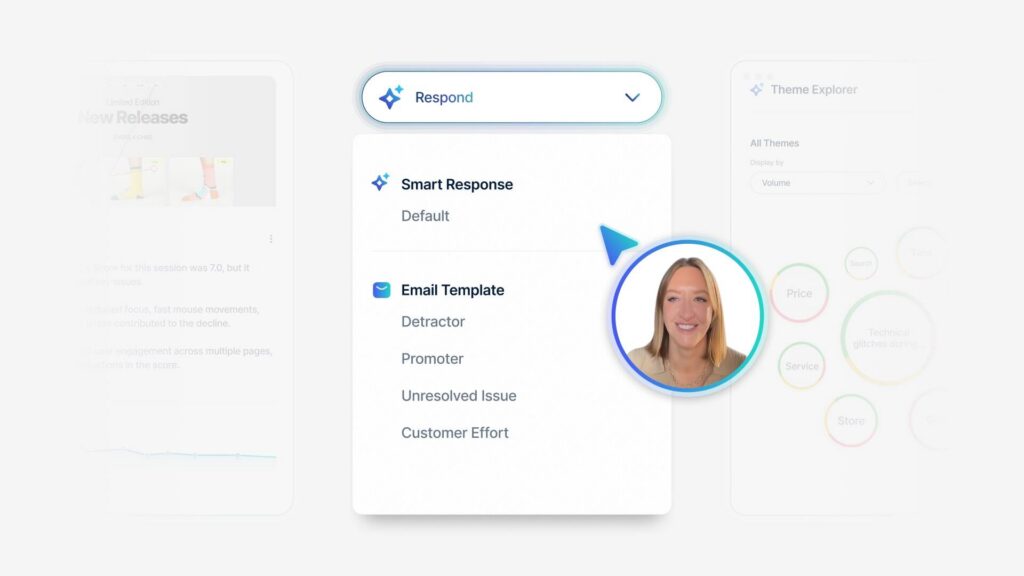
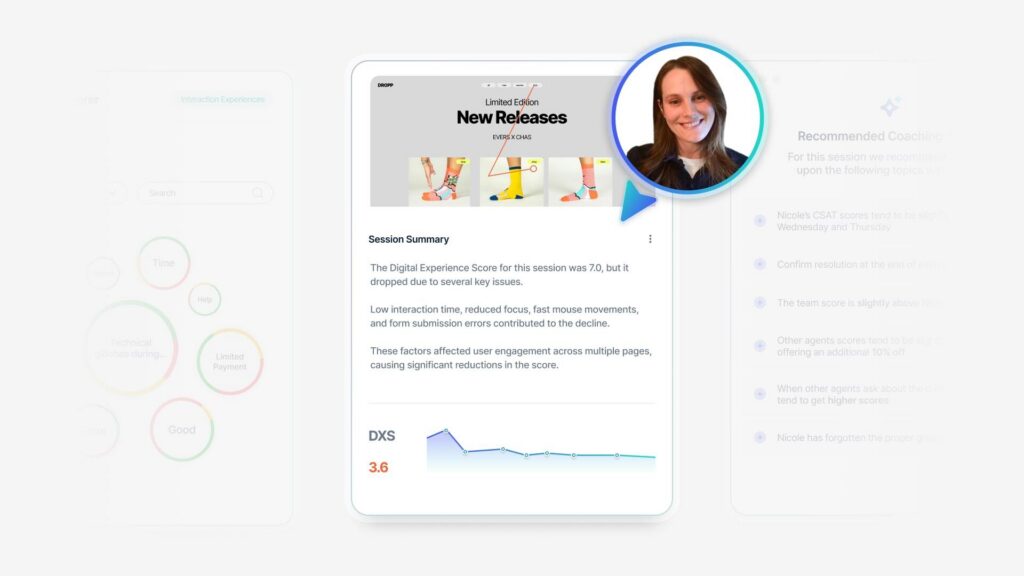
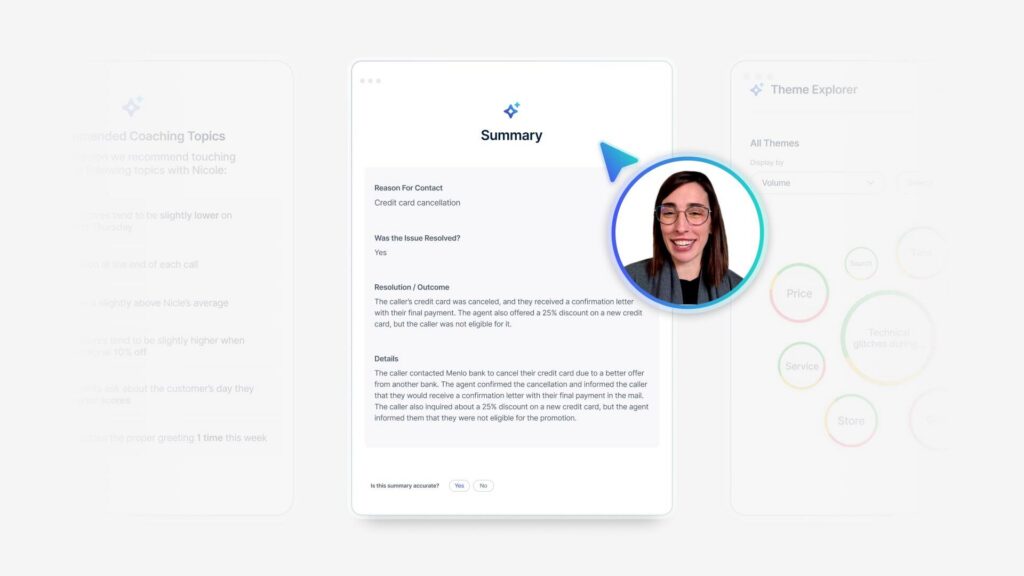
Their team proved that when CX owns outcomes instead of just reporting on them, the business takes notice. That shift is available to every single person here today with us, and it’s exactly what Medallia is built to help you do. By unifying every signal across every channel, every journey, every role, Medallia gives you the complete picture your business needs to act, not just report.
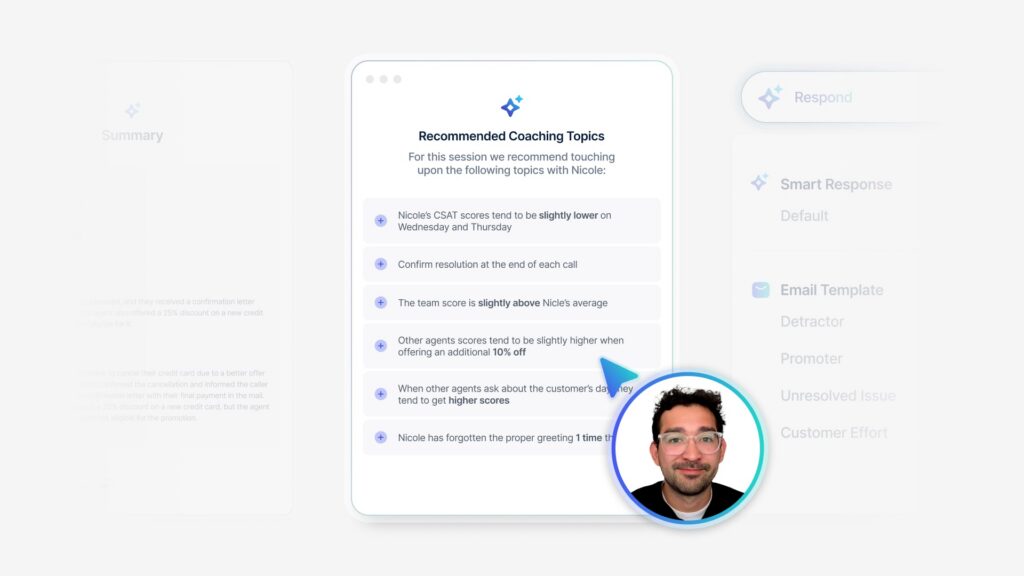
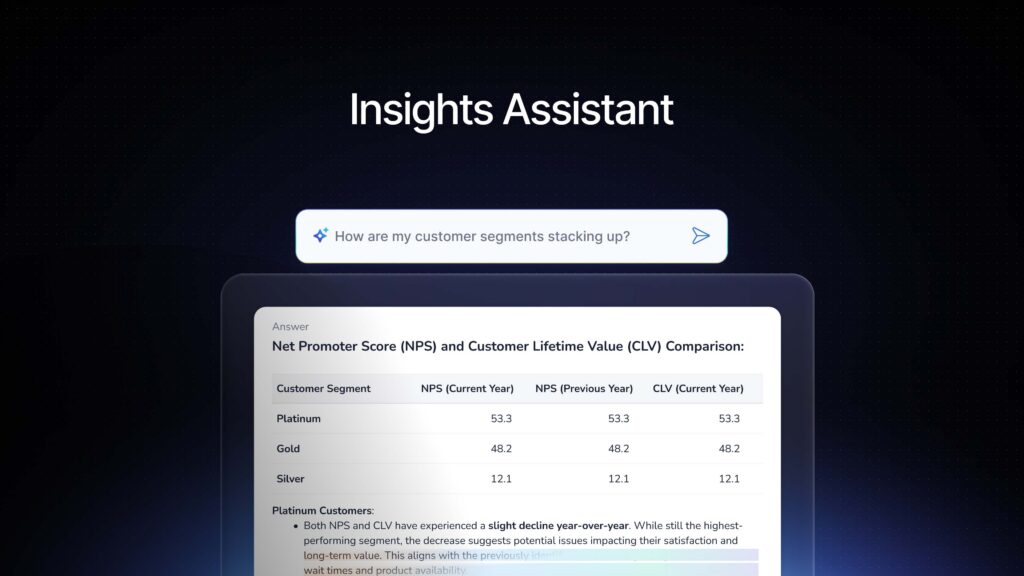
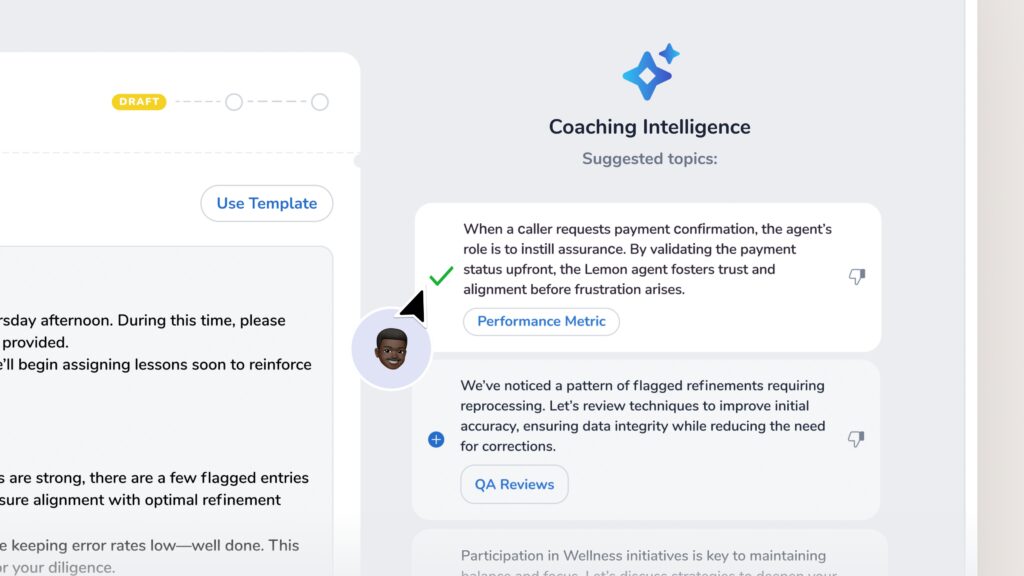
[00:57:00] Our AI services, what’s actually driving retention, revenue, and risk, and gets to those insights and root cause to the right people at the right moment. It’s not trapped in a dashboard, and it’s not buried in a report. It’s delivered to those critical frontline managers we just talked about, to those executives you’re trying to get in front of, and the teams that can actually do something about it, all at enterprise scale and the governance you need.
Because the work you’re doing matters, and you deserve a partner who is just as invested in your outcomes as you are, and that’s why Medallia surrounds every customers of ours with experts from implementation to ongoing best practices, so you can build your program into a system that keeps delivering for your business.
If you wanna learn more about anything you heard today, well, we have more of it. You can download our full 2026 State of CX report, which we shared a little bit about in the beginning. There’s more lessons from your peers, all available at Experience Now, so you can hear the insights just like you did [00:58:00] from Caitlin and Kristin.
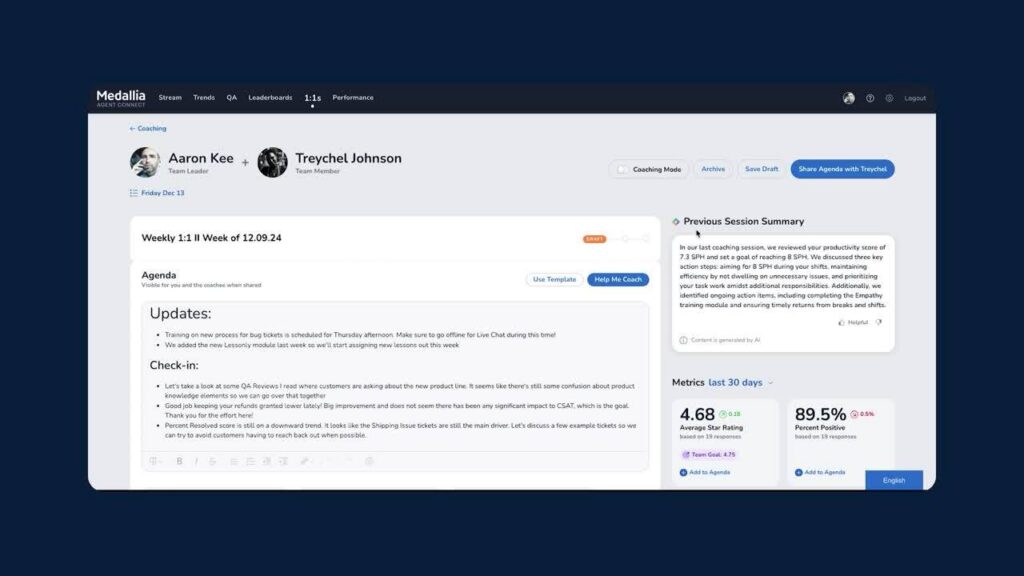
And then you can also get a first look at all of our demos and walkthroughs of how Medallia’s AI can help you work smarter and drive better customer experiences. And with that, thank you Colleen, Kristin, and Caitlin. I cannot thank you enough for joining us today and sharing your insights, which I know are going to help every one of our listeners today.
Thank you everyone for attending. Thank you.