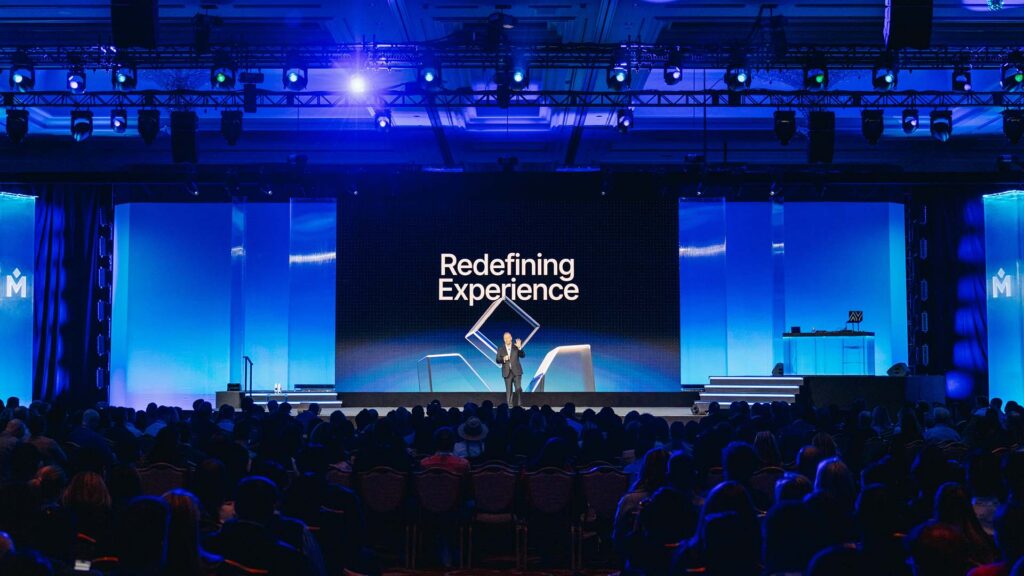
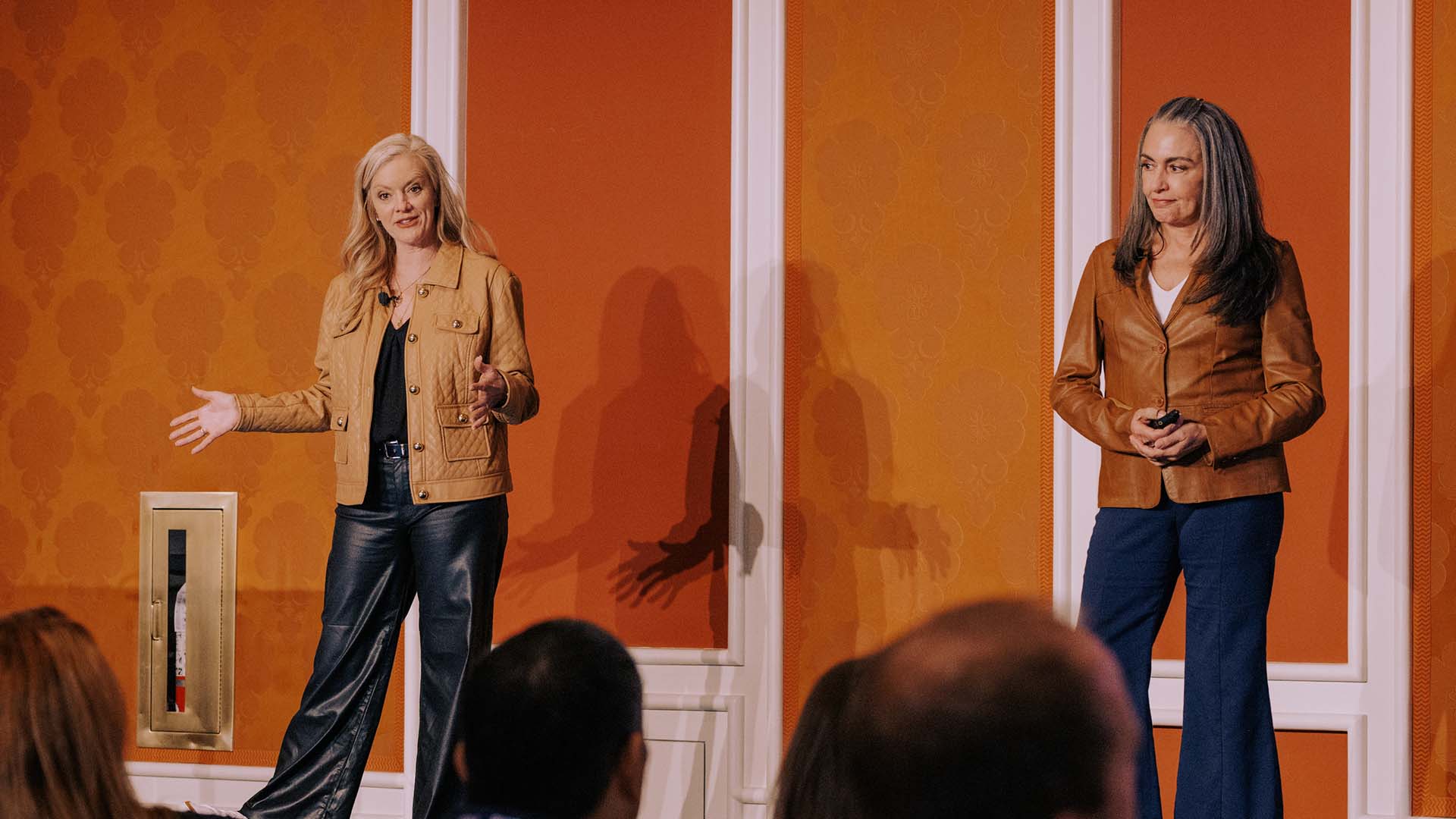
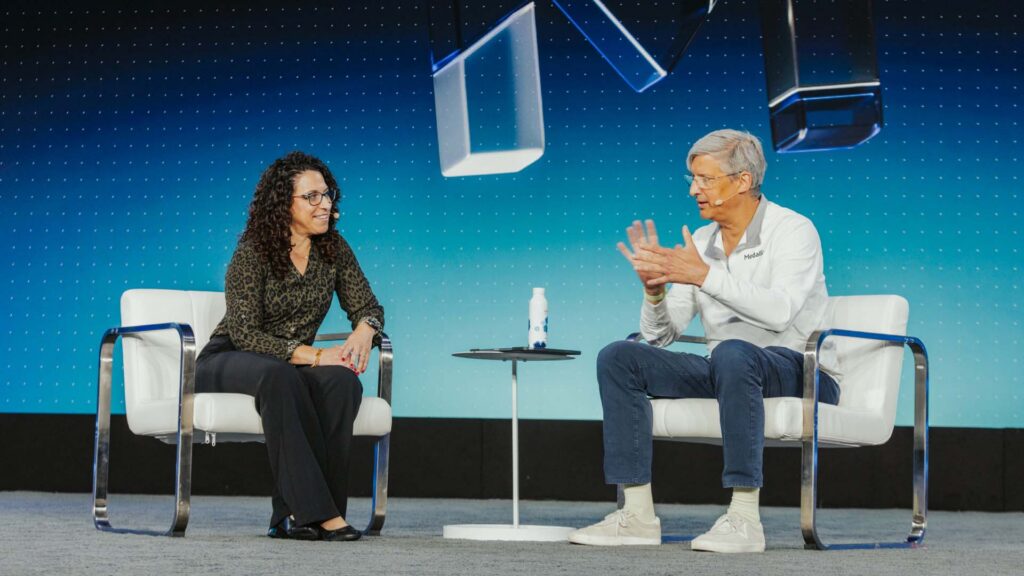
Kristi Nickl: [00:00:00] Welcome to Elevating Your Inner Loop. My name is Kristi Nickl. I’m your principal, CXA advisor here at Medallia. I’ve been with the organization about five years and I focus primarily on the retail restaurant and hospitality industries.
Sandra Storey: And I’m Sandra Storey and I’ve also been here just about five years.
We started about a week apart and I work with financial services clients, B2B, B2C. We are excited to have you here today to talk about closing the loop. Hopefully this is going to spark some ideas for you, take back to your organization. Let’s look at what we’re gonna cover today. So the closed loop feedback, soundness check is a framework.
That was developed after five years of talking to clients like you who are coming to us with problems about their closed loop, or maybe it’s just not hitting the mark. So we’re gonna take you through that framework and then you all are going to take the role of CX Advisor and you are going to advise a fictitious company that we’ve [00:01:00] created for you and.
You are going to work through with them how you diagnose, what challenge you have, what evidence supports your diagnosis, and then what actions can you recommend to this company. So you’re gonna be working quite a bit here, so this will be great. And then at the very end, we’re gonna ask you to think about everything you talked about with your groups and heard about from other groups and say, what can you do when you get back into the office on Monday or Tuesday of next week, whenever you’re going back, how can you start making changes right away?
So first show of hands. How many have a closed loop program up and running thinking everybody, almost everybody, not everybody. Keep your hands up. If it’s been going for more than a year, more than two years, more than three years, four years, five years. I knew you guys would be. So we have some over five years.
So the next question logically is how often do you go back and reassess, right? Closed loop feedback isn’t something that we can just set and move on, [00:02:00] which is what we tend to do, right? It needs care and feeding, and that’s what we’re gonna talk about today is how you can go back and do that. Now, assuming that most of you came here today because you were thinking one of these things, it’s not giving us actionable insights.
We thought we were gonna get more from it. It’s a check the box activity, right? People just try and do it as fast as they can. Is there any quality there? Maybe you have leaders in the business saying it’s not a good use of our people’s time. They have too much else to do. They don’t have time for this.
Or worst case, we’re not informing the outer loop, right? Inner loop is supposed to. Ricochet you off into that outer loop, and maybe it’s not. So if these things sound familiar to you, you’re not alone. They sound familiar to most of our clients. Again, that’s why this framework was developed and this is going to help you diagnose.
Where can you start first? So here is the model itself, the closed loop feedback, soundness check, objectives, behaviors, data capture and reporting. And it actually came about initially because everyone was asking for better reporting. Sure, we can give you better reporting, [00:03:00] but we had to go all the way back to the beginning and we need to start with objectives.
You and your stakeholders need to align. Why are we doing closed loop feedback? They’re the ones typically doing it. You are the ones running the program. Are you aligned on what the purpose is? I work with financial services. It’s often one-on-one fixing problems, right? Getting in touch with a customer problem resolution.
If you’re in another industry, it may be just acknowledging their feedback, but you’ve gotta understand what are you trying to achieve. And align on in that. Only then can you say, okay, what behaviors are required? If problem resolution is your objective, you’ve gotta have two-way communication, right?
Sending a rapid response email doesn’t help. But if you’re just trying to acknowledge their feedback, maybe then you get our new smart response and you give them a nice customizable professional response, right? You’ve gotta understand what you’re looking for. If you do want that two-way communication, you’ve gotta agree with the stakeholders.
Does that mean you’re gonna call ’em, does it mean you’re gonna [00:04:00] email ’em? You’re gonna try both. What are you actually going to have the teams do and the stakeholders have to agree with this ’cause it’s their teams, right? Then once you’ve done that, you can move to data capture. Whatever you’re expecting to have happen, measure that.
How many of you predominantly report out? We close 98% within the SLA? Yeah. Okay. We had a fess up over here. Do we know what the quality is? No. We just know that they’re fast. Maybe it’s that check the box. I gotta close it before I’m on the bad list. Find out what we’re measuring. Did you have two-way communication?
Ask that in the case management form. Make the case management form dynamic. Did you have two-way communication? Yes. Okay. Now ask if they solved the problem. Don’t ask if they solved the problem, if they didn’t talk to the person. You can get false reporting. We had a client reporting close to 90% problem resolution.
When I dug in. There was no two-way communication. So we’ve gotta capture the data of what we’re looking for. Then you can have really good reporting, right? We can have some of the best reporting out there, but you’ve gotta know what it is you’re looking for. [00:05:00] Christie, tell us about the company that these expert advisors that we have in front of us are gonna start working with.
Kristi Nickl: I’d be happy to. So this is our fictitious company. It’s Harbor Point Bank. They’re a community focused bank. They offer some consumer, small business and even some digital offerings. They’re really friendly. You probably have maybe a home loan through them, a checking account, a savings account. They’re very friendly, they’re very engaging, and because they’re an amazing bank.
They’re growing like wildfire. So you know that when you have high growth, you have a lot of challenges. So this is going to be the client that you are consulting with today in our workshop. It’s a two part exercise, and this first part will be really focused on step one. You’ve got to diagnose the patient right before you can really action and start treating the patient.
You have to ensure that you understand what some of those [00:06:00] challenges are. So for this first part of this exercise, every table has a unique problem statement on them. We have a couple of duplicates, but we have four different scenarios. We have objectives, behaviors, data capture, and reporting. That’s in blue, which one you have been assigned at the bottom of your sheet and your problem statement that you’re solving for is across the top.
So what we’re doing in this exercise is we’re gonna ask what type of evidence are you seeing? What type of observations are you seeing? What are you hearing from your employees around this closed loop feedback process? That’s an issue that we really are trying to solve for today. So we’re gonna walk you through this first example.
This is very similar to the presentation, that paper on your table. You’ll work as a group, which is why we’ve bunched you together at these tables. [00:07:00] But let’s walk through this diagnosis. First we’re gonna talk about the symptoms we observed, and in this example we talk about complaint alerts closed with no customer contact, very much similar to the example that Sandra was talking about.
We’re also gonna talk about what customers might have said. So you might read in that feedback, that communication back to your stores or your closed loop feedback point of contact that no one actually spoke to me. Yeah, that’s a problem. If we’re saying we’re closing the loop with customers and then what employees experienced.
So how many of you heard your employees say, Hey, you know what, we’ve just got too much going on. I can’t provide meaningful outreach. That’s one of the most common things we hear as CX A. And so this activity helps you walk through and identify some of those observations we’re giving you off.
Thought starters today, what we would like for you to do is go through this [00:08:00] exercise at your table with your team, and then really begin to expand on two or three areas for each of these three sections around symptoms, what customers said, what employees experienced, and start to document those together.
Now, I will tell you this has a little camera up in the right hand corner because it’s a photo slide. Take those phones out. Snap a photo. ’cause this is gonna help you in your diagnosis with your organization. So when you take this back next week, you’re gonna wanna pull this out and walk through it. But let’s walk through behaviors.
We just talked about objectives at a very high level. Let’s talk about behaviors. So symptoms we observed. If behaviors is part of your challenge statement on the bottom of your sheet, those symptoms you might observe is the alerts are closed quickly with little evidence of follow up. So you’ve all observed that, right?
There’s that one way communication. It maybe isn’t coming back. [00:09:00] Behaviors, what customers might have said, I got a message, but it didn’t feel personal. We know that’s an important aspect. What employees experienced unclear expectations for how to follow up. Do you have a consistent process within the organization on how you’re closing the loop with customers and how you’re using that information.
So if behaviors is your challenge at your table, here’s an example in each of those categories to get you started on that thought process. And then teams over here have data capture and reporting. So we will actually leave. This up during your exercise so that you’ve got a reference and kind of a starting point while also be coming around the room to help facilitate this activity.
If you get stuck or you have a question, this should really help guide your team in generating some of that additional observations for your assigned problem statement. Again, remembering that problem statement is across the top of your paper. And so for this first part of this [00:10:00] exercise feels a little bit rushed in a workshop setting, but that’s why we’ve gotten, you started with a couple of those examples and ideas.
So we’re gonna start a timer because we’re on a very concise session today. You’re gonna have six minutes to start discussing at your table, but feel free to write on the sheets and share and exchange ideas, and we’ll walk around the room and help ensure that we’re able to make progress.
Sandra Storey: All right.
So there was some great conversation happening. Christie, I’m gonna ask you what you were hearing on this side of the room.
Kristi Nickl: The reason it took me so long to get back up here, it, it was good
Sandra Storey: stuff.
Kristi Nickl: Yeah. So they’re hearing that the call center in the example is not as versed and comfortable with responding on some of those templates, and that’s not really their forte.
They’re used to. To over the phone dialogue and having a conversation versus typing out an existing email. So that’s a great example of something that you listen to your employees and you’re hearing that now, how do we relate that back to our objective, [00:11:00] not part of their norm? Maybe there’s an opportunity to realign that objective within the organization to say.
Actually it maybe it should be. So then you need to have that bigger conversation around those objectives.
What did you hear, Sandra?
Sandra Storey: I’m gonna go to data capture because there are a couple really good ones there. The open-ended feedback, it’s not useful. We have these case management forms and all these open ends and it’s just not useful.
I found that I was working with a client recently and we had five open text comments and none of them were being aggregated. I had the team build them and run them through text analytics. Now we can soon run them through with Gen ai, right? But through text analytics even, we were able to find what the real root causes were, what actual actions were being taken.
So on data capture. Don’t just let them put in data. You gotta capture it somewhere. And on reporting, there was a perpetual issue, right? It was staying in the inner loop. The same thing kept happening, but that didn’t get out. That reporting of what was happening didn’t get out to the broader [00:12:00] organization for continuous improvement.
So it kept happening. Now how frustrating is that for the employees? I have to have the same conversation over and over, right? We’ve gotta aggregate and now there’s ways to use it with our gen AI tools. To be able to have a summarizer to figure out what are the best root causes to use.
I heard the example over here of narrowing it down to 15. 15 is a number I love myself, so I really like that. But what are the main root causes? If you have other 20% or more on either root cause or action taken, write that number down 20% or more. I worked with a client this morning. They were at 40 and 45%.
That’s not useful, right? That’s not quality reporting 20% or more. You gotta dig in there and see. See what the real root causes are. We gave you your diagnosis. We had to speed through that, and then you found out what you were hearing or seeing that led to that diagnosis. So you’ll be able to go back and do that.
But now that we know where we might be broken, and I will say this, you each have one of the pillars in real life. You need to look at all four pillars, right? Because there’s gonna be [00:13:00] problems or opportunities in all of them. So now how do we go in and start fixing? We wanna make sure that we’re getting those insights to the outer loop.
We need to get in there and look at people, process, and technology. It’s a framework that we all often use. Get in there and start thinking about each of those and how we can make them better. It goes to who are the people that are doing it right? What are those objectives? What are the behaviors we have to align there?
Otherwise you’ll have all, it’ll be random. Some people are really good at it, some people are not. You have to have them trained, have them educated, and have a real firm process, not only on what’s expected, what am I supposed to do with this type of alert? What am I supposed to do with this type of an alert?
And then even more importantly, who’s monitoring and coaching. We don’t just set it and go, you have to have if a branch manager is responsible for closing the loop, you have to have some governance that the district managers is going to inspect that and coach it. And the technology, you can have the best technology in the world.
You do because you’re here. But [00:14:00] the technology alone isn’t going to solve all your problems if people don’t know what they’re doing and they’re not aligned to the objectives. So we have to think of all of those. So you’re going to move now to the right side of your page, and we’re going to think, what action steps would you recommend to Harbor Point Bank?
Here’s some examples, and I wanna just call out a couple of them. Say if you’re an objectives, maybe under the technology area, you use Medallia reporting to demonstrate the impact and value of closed loop actions, right? If you tie the outcome to a positive result. That’s what makes people wanna keep coming back to doing it, we had the examples of, I, why am I doing this? There’s no, no end result. Tell people what’s going on. Use the reporting to find those stories and get it back to the people so they understand what’s happening in behaviors. Maybe you need to leverage your champions to reinforce the follow up behaviors that are expected.
The coaching. In data capture, define the coaching and accountability ownership. We talked about that one By line of business [00:15:00] in reporting, maybe you are using some Medallia push reports to get the information out. So we’ll leave this one up. This one you have 10 minutes for. You’re gonna go ahead and start thinking about the problems that you listed the symptoms that you saw, what are you gonna start to do to fix it?
Now on your sheet, you’re not gonna go from left to it’s not gonna be a one-to-one. You may have identified one problem that has a solution or an action step in each of the people, process and technology. You might have some that just have one, right? So it’s not one-to-one. It’s making sure you’re addressing those problems that you found using that framework.
Kristi Nickl: So I’m gonna start with some things I heard over on this side, Christie.
Sandra Storey: A lot of it really went around governance. Now governance is a word that people just cringe. Ah, governance, scary stuff. It’s really, it’s just a process, right? There was a lot of it. Really prioritizing root cause analysis, right?
Making sure that we’re understanding what’s happening. Making the process [00:16:00] improvements is, oh we heard one here. Okay, let’s, we need some training. But no one owns the training. There’s product training, there’s other kinds of training, but no one owns this closed loop feedback training. Then the conversation came up are we just jumping to that?
It’s training without really understanding the root cause. Let’s understand what really is happening, and then we can figure out. It’s a process improvement. It is training. Now here’s what I will tell you as someone who has done this personally. Sometimes when no one’s doing something and you think it needs to be done, just start doing it.
And then people are like, oh, that’s great. She owns that. I did that with training, right? I started owning closed loop training for people. We diagnosed it. That was really what was needed. But if someone’s not doing something, make it part of your role. Yes, I am now in charge of this and get yourself out there.
Digital is a big one, and we didn’t talk about that when we were going through the model the first time. That model across the bottom is going to be different for every type of alert you have. It’s not one size fits all, and when we start talking about digital, there may not be [00:17:00] closed loop follow up on digital, but there should be something like, I like to call it an escape hatch.
If someone needs help, there should be a way to do that. Now, either if they say help and you can route those to someone, if someone will own that, great at a minimum. If you don’t have that, if you have a digital form. At the end when you say thank you for your feedback, have something, this is the behavior, this is the digital behavior.
Have something that says still have questions and give them a phone number or give them a, a website address. Give them a resource because they’re still having issues, but not one size fits all. And you have to go through that process for each type of an alert. Kristi, what did you hear of?
Kristi Nickl: I love that. So I gave this table some love because they didn’t get a lot of acknowledgement earlier and they did great on some of their action plans. So one of the things with objectives is with stakeholders, determine or reassess desired outcomes. So this table brought up a very good point. If the leadership isn’t bought into the process and they aren’t prioritizing it and showing the [00:18:00] value and trickling that, that down through the organization.
That’s one opportunity. So it’s aligning the people and then how do we establish that process to make sure everyone is aligned to that overall objective. And then we talked a lot down here with with the behaviors group and a lot of what we heard down there was, a lot of times the challenge with people.
Is that they don’t understand why they’re doing it. So how do you establish that process to ensure that they are always aware of the value and the impact of what Closing the loop is doing and how it’s improving the business and the organization. So that’s one piece of it. Then there was a lot of ideas down here around the technology.
How do we use the technology? What kind of process do we set up governance? Sandra talked about that before. If you don’t have a governance process established. Getting that outer loop implemented is a challenge. It’s [00:19:00] near impossible. So stand up that governance process then to take that information, elevate it in your organization to help them prioritize which areas in which pain points need additional resources.
The other thing that we talked about from a people perspective, Sandra, is that. Associate. That’s a closing the loop. Add a question to your case management form that says. How could we have prevented this issue for the customer in the future? Those frontline employees know very well where the bottlenecks in your business are, and they have some phenomenal ideas.
Now you’ve established the governance process to identify the pain point, the biggest ones, and the people are gonna use the technology to help solution.
Sandra Storey: You all are brilliant, but that might be my favorite one.
Kristi Nickl: Sorry.
Sandra Storey: That was really good. And I just wanna recap on the technology. When you’re thinking about how Medallia can help you, I [00:20:00] think what tends to happen with closed loop feedback is we think, okay, we have a case management form and that’s it.
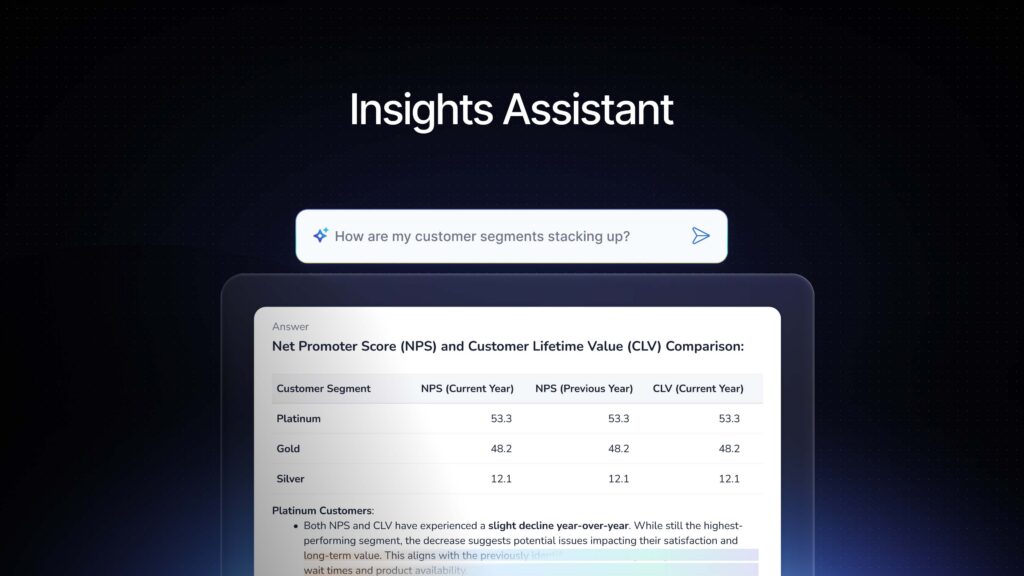
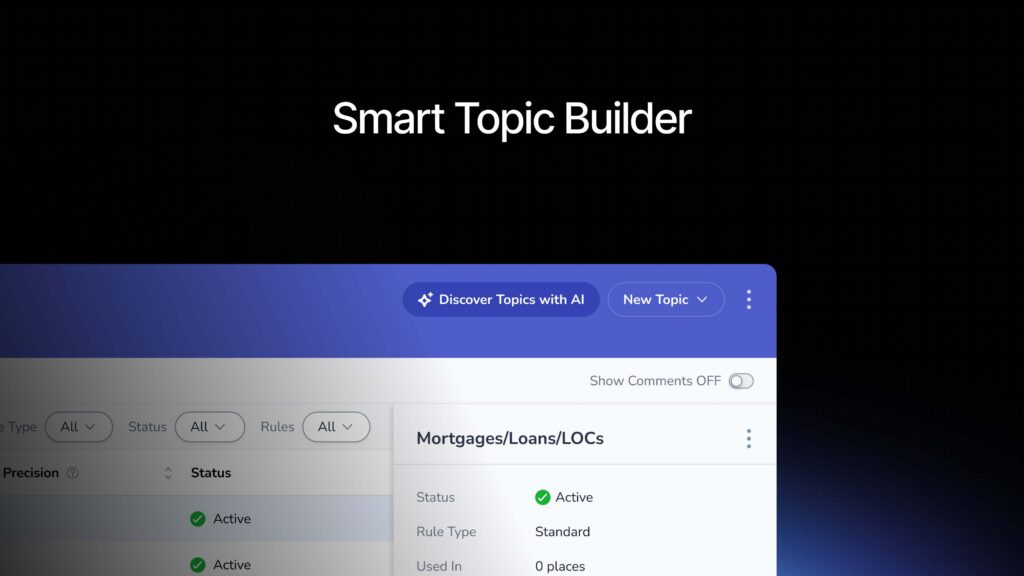
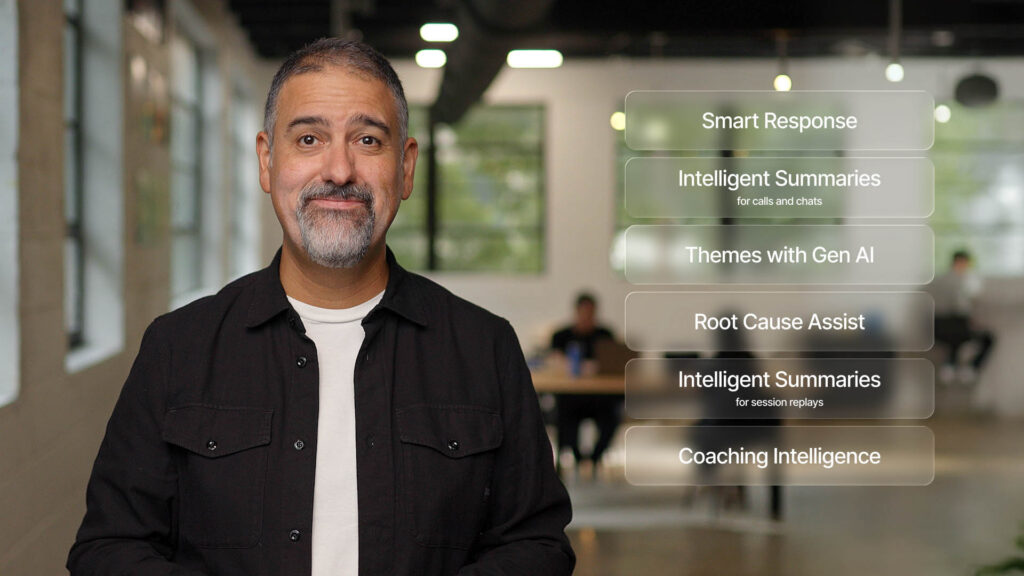
We have text analytics, we have generat, generative AI with summarization, all of the stuff in the case management form, we’ve got a report on it. I guarantee if you go back and you match up your case management form, do your reporting today. You will have gaps. You aren’t reporting on everything and you’re gonna update your case management form anyway ’cause you’re gonna get the right behaviors.
You’re gonna start tracking that. We have tools to help you. We have smart response, right? If you haven’t used Smart Response, it’s life changing. It makes an email response to your clients so much better than any human could do. You still get the oversight, you still get to put your brand standards on it.
Absolutely. Check that out. Okay, we have just a couple minutes, so Christy, I’m going back to you here.
Kristi Nickl: So out of everything you may have heard at your table, kind of what Sandra and I were trying to quickly recap for the room. If you had to pick one structural fix that you would implement next week or start to implement, what would it [00:21:00] be?
Think about that. You don’t have to share out loud. I do want you to turn to someone at your table. This is the accountability exercise, right? Make a new friend, share your contact information and say, what are you gonna do next week to help fix your closed loop process? You can continue then to share ideas and how the different pieces you’re implementing and actually on are really helping the organization.
You guys got your challenge. You know what you’re gonna do. You know who you’re gonna ping next week. Come on. You don’t have to. It doesn’t have to be your coworker. Pick someone at the table. I know you’ve been making friends all right, so I think at this point, question. Question.
Audience Question 1: You said something about the case management forms.
Yes. Who. Say that again? ’cause yes, it’s the second
Sandra Storey: half. So case management forms, I could talk about these all day long. So when someone is going in to close an alert in the system, you should have some type of a form that they fill out. It could be anything from one question to a long form. My number one [00:22:00] recommendation, if you do nothing else on your data capture, make that form dynamic.
So that you don’t ask everybody everything, ask a question, and based on that result, you get another field, right? If you set up your program years ago, that capability didn’t exist, it does now. So make sure you’re taking advantage of that. Capture the information. Do you care if there’s two way communication?
If so, ask about it. Do you care if a problem was resolved? If so, ask about it. If you wanna talk to your account team, they can get some ideas for you on how to structure that for you individually. You can always reach out to your team and ask about talking to a CX advisor as well.
Kristi Nickl: What I would add to that is if you’re implementing Smart response, now is the time to add the question to the case management.
Form because you will get pushback. Oh, I don’t have time for one or two more questions. Why are they making me do this? Because I just saved you 60 seconds of typing. You’ve got smart response. So it’s a trade off, right? We’ve made your life easier. And as a reward, we want one or two additional responses.
Sandra Storey: Exactly. So [00:23:00] what you ask is this QR code on the screen, why it’s a survey for you now last year based on feedback from you all at the conference. We implemented, we didn’t have workshops last year. This is a result of people saying last year we love the presentations from the Medallia teams and different folks, but we want some workshops.
We wanna get in and actually do some stuff and talk to our peers. So this is a result of that. So how did it work for you? How are other things going, that we were sharing? Do you like the framework? Any feedback that you have for us? Super helpful. And you’re survey people, it’s been a long week.
There’s been a lot of stuff going on. Thank you for being here and thanks for coming out and we hope to see you next year for sure. And then the party tonight, queen of hearts.
Panel Support: Yes. That’s
Sandra Storey: great.
Panel Support: And before we get to celebrating, how much love do we wanna give these ladies?