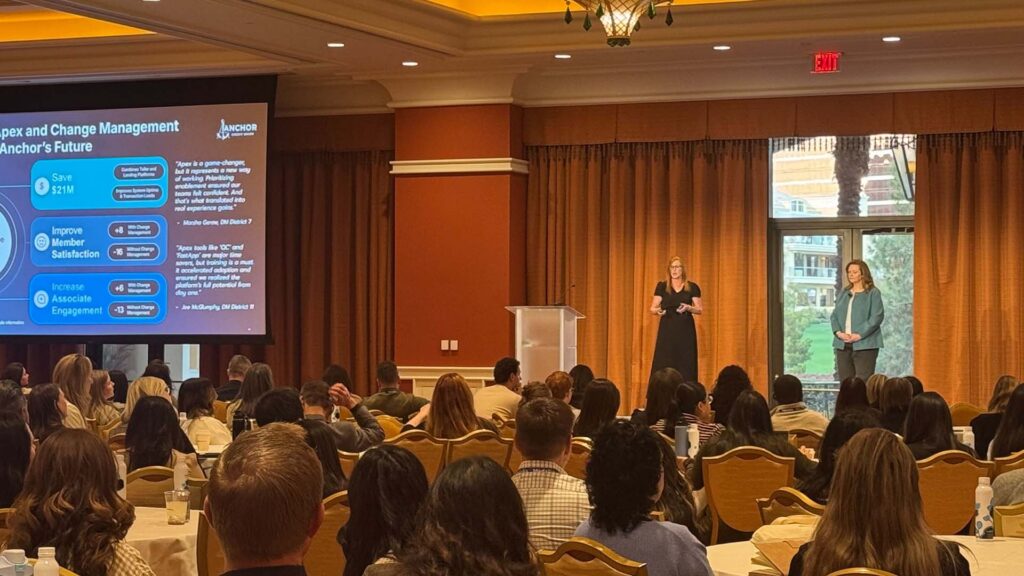
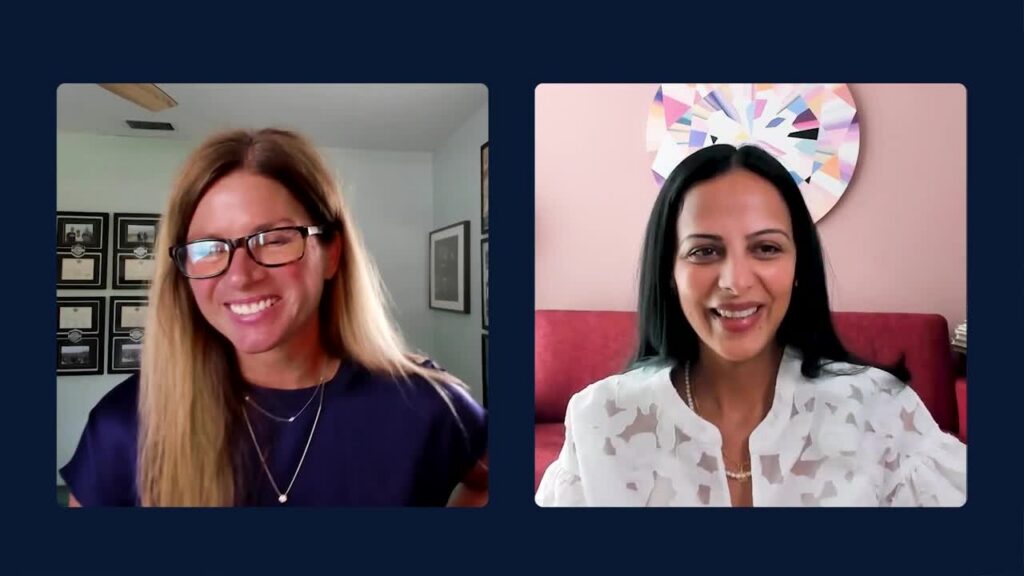
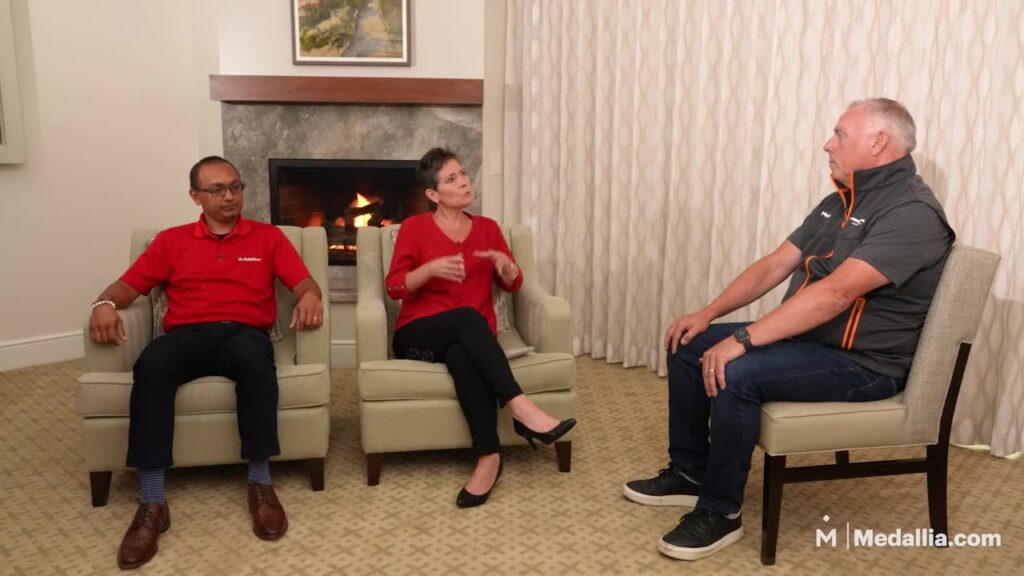
Jill Hunt: [00:00:00] We are one of the largest meetings and events production company in the world. What you all are experiencing is what we do day in and day out. Literally delivering live experiences is our product. So I guarantee many of you have been recipients of the events that we have delivered over the time that you’ve been coming to conventions, to meetings, to your to shows just like this.
So we operate with around 2200. Venue partners inside hotels just like this. And we have over 350,000 events, which touch about 25 million attendees, and that is done with over 12,000 team members across the globe on 21 different countries. So it’s a very complex. Very human business that has to be moving constantly and delivering these amazing experiences.
So to just give you a little bit of background of what brought us to a new CX journey. So we have to go [00:01:00] back to COVID now. I know. You don’t want to, so just bear with me for a minute. We won’t spend too much time in this space, but if you remember COVID hit and there was the boom and the bust, right?
So we can remember companies that were booming, bicycles. Did people start buying bicycles here? Toilet paper, maybe. We didn’t think there was enough of that. Home delivery, but there was companies like ours that we were in the bust, like literally the floor dropped out of Oury. And during that time. We lost probably almost 80% of our staff during that time, and there was no events happening.
That risk receded in the industry was coming back. It came roaring back. It accelerated that need for being together, human connection again, being in person. But we had this tension point because now we had to hire and train. All of these people back. And so you can imagine how difficult of a time period that was both for our customers as well as for our staff [00:02:00] members, where you had great acceleration revenue through the roof service scores that were not great because we just had a lot of new people and we were trying to chase after this.
So the other thing that happened was there was a whole new expectation about how people wanted to get together and meet. So a lot of small meetings, they went online. You guys can all remember that those kind of stayed there. But now when people got back together, they wanted these huge experiential type events that were putting a very big demand on how we had to show up for our customers, how we had to operate, and how our people had to be trained.
The other thing is that there was this sort of generational handoff that’s been happening. So we have a lot of Gen Z, a lot of millennial meeting planners ’cause a lot of meeting planners also left. Market during that time as well. They were coming on the attendees, the expectations for technology. All of that was changing.
And we had to change with it, and we had to show up a different way. We doubled down and said, look, our growth [00:03:00] strategy, our ability to operate in this environment, and we had a lot of competitors coming in and trying to take, that share away as the business was coming back online, we really doubled down about having those relationships with our customer and differentiating through the experience we were gonna give with them.
We touch more customers than anyone else in the market and we really wanna be a partner, especially earlier on in the journey with them. And so that meant investing very heavily in customer experience and aligning our organization around the new way to operate, the new way to show up to these customers.
So in order to accelerate that, we really had to engage with a partner, and that’s where material came in and we engaged with them and asked us to please come on our journey with us, help us develop a new CX strategy. Help us sell it through the organization and ensure that we come out exceptional for our customers.
And that’s what we wanna show you today, is what that journey was like and the work that we did together.
Trina Brown: So when Encore came to us. We really wanted to take a step back and figure out what drove [00:04:00] this business. As Jill just said, very complex high pressure moments. So we really needed clarity and focus on how to move forward together.
We undertook an eight week sprint where we really looked at the way the business operated. We took a cross-functional approach where we talked to hr, finance, operations, sales, marketing. We went on site shadowed teams that were executing these events, and we kept coming back to these two questions, what actually moves the business and what truly matters to the customer?
And what we found is that teams were incentivized on the OAT score. Which was leading to unintended behaviors of score chasing. There was a lot of data, but it was siloed and fragmented across different systems and platforms and dashboards lacked focus and prioritization. We had the feedback coming in, but beyond those top line scores, we weren’t really looking at the root causes and driving action through that feedback, and then leaders had really no view into [00:05:00] risk, and early warning signs were hidden.
E established that the organization really needed to shift how the business thought learned and operated Together. We built a two year roadmap with 28 recommendations across six domains, culture, measurement, learning, communications, talent, and customer engagement. We then mapped those 28 recommendations to look at the impacts they would have on the organization.
Feasibility of implementing those 28 recommendations and cost in order to prioritize. We were really intentional about how we sequenced these recommendations so that we could start with establishing that foundation culture in order to really ensure that the company, the organization, was ready to deliver great customer experience.
So starting there, what does great mean in this case? So we know that at Encore Scale, doing your best is not good enough. We needed some consistency, we needed some direction so that we could limit that [00:06:00] complexity and that confusion across the organization. So we started with a vision. This was the North Star, to really rally the organization around.
We co-created this with cross-functional teams to make sure that it really resonated with the organization. It was meaningful, it felt personal to Encore, and here we are. Together we transform ordinary moments into encore performances. Inspiring one customer. One event, one venue at a time. So this was not really intended just to be aspirational, but really to give direction and clarity across the organization as we move on this journey together.
Jill Hunt: Just real quick, this is a rally cry that we continue in our organization at every one of our leadership meetings. We just had our leadership summit last week and we bring this into the organization all the time ’cause it is our North Star.
Trina Brown: From there, we had to translate the vision into guiding principles.
So again, this was not intended to just be a poster on a wall in a conference room or on their desktop. It was really intended to become the credo. A [00:07:00] statement of beliefs and values to guide actions and decision making across the organization. You can see we used Encore as the acronym here to bring it to life for the company, and this is really intended to support real world decisions again.
High complexity, high visibility, live events. We really need to make sure that the team members could make decisions under pressure in real time. And this became the framework or the shared language on how to act, not just what we value.
Jill Hunt: Again, you can, if you remember back to showing 2200 venues we have 2200 minimum places where team members are.
And trying to create consistency is very challenging, and so this is what’s helping us do that.
Trina Brown: From there, we really wanted to focus on customer emotion. Again, high pressure moments. Emotions are running high. So we really wanted to double down on the emotions that we wanted the customers to feel. I think we all know the importance of emotions and delivering a great [00:08:00] customer experience, right?
They’re drivers of satisfaction and loyalty, brand perception. They have an outsize impact on purchase decisions. So it’s really important that we grounded the organization around those target emotions. So here we’re looking for meeting planners, customers to feel heard, to feel confident in the team that is executing their event, and to feel supported along the way.
And then taking all of that, the vision, the guiding principles, the target emotions. We develop standards for the organization. This is where really the consistency piece comes in. Here we have the universal standards that everybody across the organization follows, as well as we had standards for every step of the journey.
So as you’re planning your meeting, as you’re executing the meeting, post meeting, we have individual standards for each of those. The idea is that no matter what venue you go to, what event you’re planning, who you’re talking to at Encore, you’re getting a consistent experience across the board. This [00:09:00] is where that kind of abstract vision started to be operationalized across the organization.
So now that we set that foundation for the culture, we turn to the next phase of the roadmap, which was measurement. So here we really wanted to focus on what was the purpose. Of the voice of the customer program. There was something existing, but we really needed to rethink what was the purpose given this new strategy and the priorities across the organization.
So we focused on what mattered, right? So prioritizing drivers of satisfaction and loyalty that we now know are important. We wanted to reinforce those standards across the organization as they started to scale across all these teams and venues, countries, and we really wanted to focus on uncovering those early signs of risk before they became issues, before they escalated.
Understanding what the purpose of the voice of the customer program is. We could then start rebuilding from the ground up. We wanted to focus on things that Encore employees could actually action on, [00:10:00] things that they could change, things that matter to the customer. Again, those drivers of satisfaction and brand loyalty, the standards that were being rolled out across the organization.
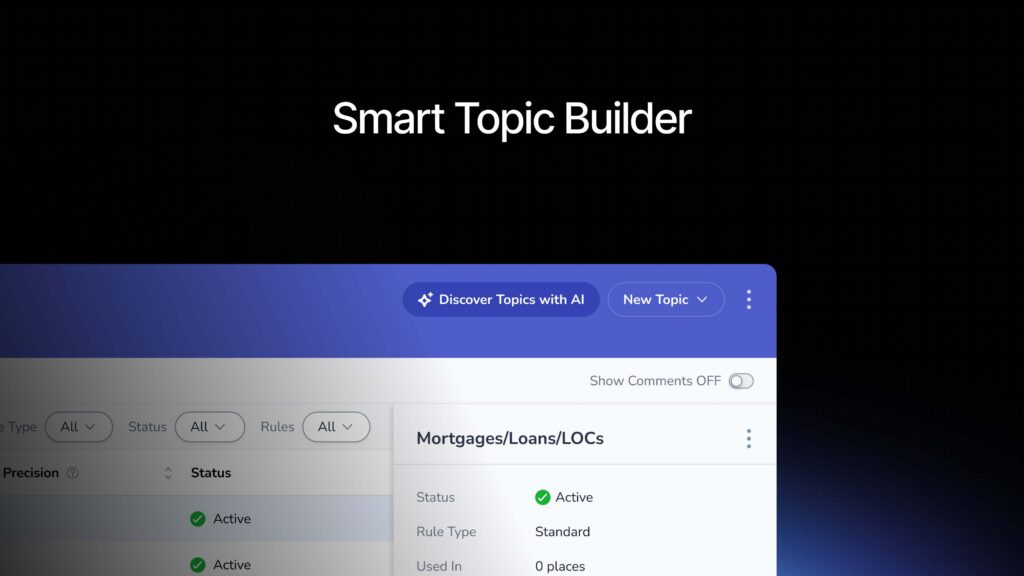
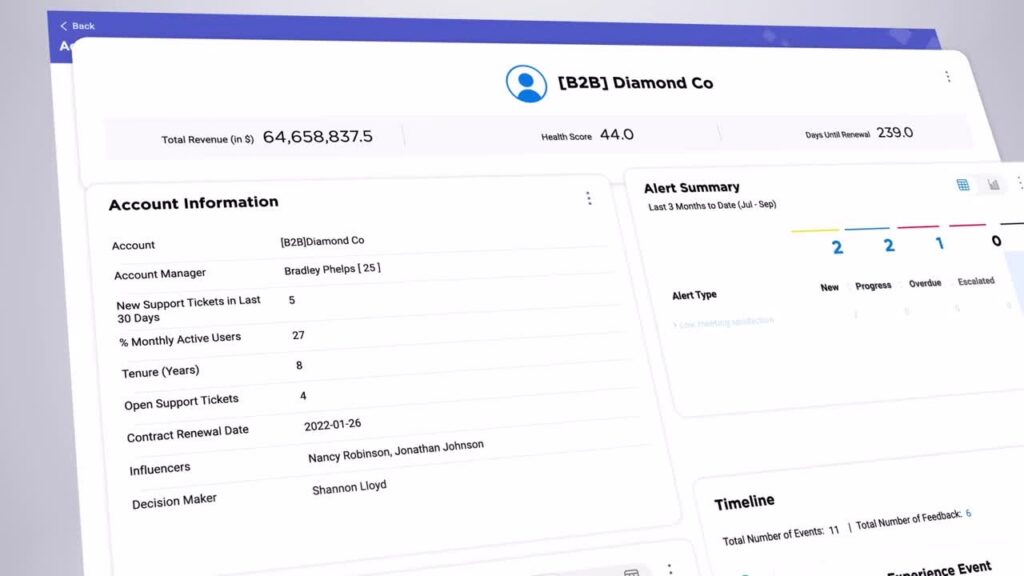
Then at the same time, we removed anything that wasn’t relevant, that was creating noise without bringing in new insights. The goal here was not to collect more data, but to really focus the organization on what was important to drive action and improve accuracy. So here we ended up with a simpler questionnaire, a better survey taking experience, and a unified feedback tool that could drive action across the organization.
Next we focused on how to deliver these insights to the organization. So we always think about what is the business question that teams are trying to ask or trying to answer. So we started with the frontline here. We know the frontline, their job is to execute events. It is not to be data analysts, right?
So we needed to surface the insights that they need quickly. [00:11:00] They have five minutes in the morning drinking their cup of coffee. They needed to get what they needed and get out, get on with their day, take action. At the same time, executives needed to see the patterns and the trends across events, across venues so they could start making systematic improvements across the enterprise.
So we focused on what are the questions that they’re really trying to answer. We held workshops, cross-functional workshops with different teams, understanding their workflows, understanding what they’re trying to accomplish, questions like. Where is the experience breaking down? What’s happening consistently across venues, across events, and what needs attention now?
We wanted the insights to be obvious, not hidden, so they didn’t have to work hard to find them. Then we focused on elevating the customer voice. So as we said previously, the focus had been on OAT scores, those top line scores and the unstructured feedback had really been ignored. So we spent a lot of time updating text [00:12:00] analytics, bringing that customer voice forward, connecting it back to the target emotions that we had established earlier, really making the customer voice become important across the organization.
We launched Voices TV at the corporate headquarters to bring that voice forward and the Voices app for executives.
Jill Hunt: Yeah, this is probably one of the most simplest. Tools that we delivered and is probably one of my most favorite is that what I said at our leadership meeting is I’m bringing the voice of the customer into the pocket wherever you are.
So you have no excuse now to not say, Hey, I’m reading 10 customer cards a day. And then again, you can imagine 95% of our staff is in the field. But for the ones that are sitting in the corporate offices that don’t feel like they really understand what the customer is saying, now that we have them. Put up on this big board, and every day when they go to lunch, it’s rolling through and they can read customer com comments.
So it’s that how do you pull this customer centricity through the entire organization so that every [00:13:00] person understands their role is to deliver to that customer.
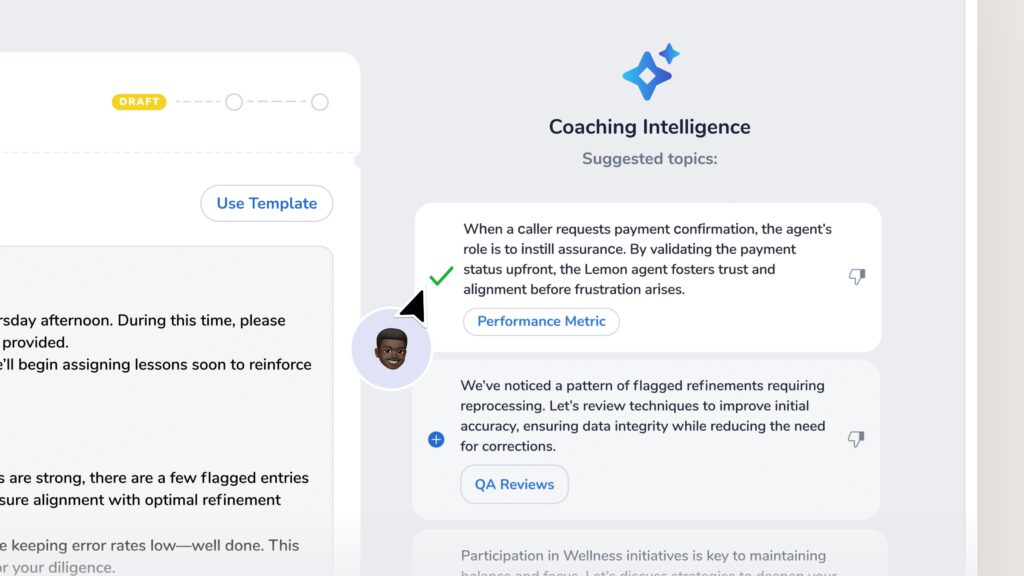
Trina Brown: Of course, all this is only as good as enablement, right? So if the teams can’t use it, it’s pointless. So we spent a lot of time building out training materials, support materials to equip the teams to understand how to use the new dashboards, what we are trying to accomplish.
We focus on practical how-tos, like how to read the dashboards. How to decide what to do next based on what you’re seeing on the dashboard, how to respond to customers and how to improve over time. We built different training modules and training support materials based on the different teams, so it was very personalized to what they’re trying to accomplish each day.
The goal here was to make them feel confident and empowered. To make changes at the local level. And then of course, this wasn’t just for the frontline. It was really important that we brought the whole organization together across executives, the corporate employees, regional leaders, to make sure that [00:14:00] the whole organization united around providing a great customer experience.
So after all this work, we’re making things easier, clear signals as to what matters most to the customer. Those rise to the top visibility of where the experience breaks down, shared understanding of gaps in the experience. So now teams understand where they show up and how they can provide a great experience and where we need some work.
Alignment among leaders, right? So now they all have a unified view. They can see what is going on with the customer. We can make intelligent investment decisions and prioritization around those systematic improvements that are needed, and now as a system to hold the organization accountable to delivering those outcomes for the customer.
You’ve
Jill Hunt: seen a lot of work in a very short period of time, but you can imagine this was a lot of work in progress. This journey started in about 2023. So we have had tremendous results. And we didn’t put all the data up here. I could talk about the OAT scores and all that stuff, but I think [00:15:00] the two things that are really important is what was the business impact and what was the impact for our employees?
And so we did see really good gains in our growth. 6% year over year. We have really strong retention rates with our venue partners and we have the lowest. Employee turnovers in history. So we’re, right now, we’re trending around a 3% decrease from where we were and we’re really excited that we have gotten the great places to work status in 11 of our countries.
We’re also one of the fortune best places to work in Chicago and quite a few other cities. And so the impact. For our employees has been tremendous as well, that they are feeling, what we did and the work that we’re doing with our customers. Definitely as we’re happy to see those results, but the work is not done so.
This curve kind of shows like, we started with, hey, we have to understand this new world that we’re working in, and how do we have to operate? How do we have to show up for our [00:16:00] customers? We had to get our foundation back in place. We had to get consistency back, and we had to really connect all of the data points, and you saw all of that.
But we’re at another inflection point, just like we were with COVID. So we’re about to go into a boom and bust again, and I’m sure many of you here. Our thinking about this with your organizations, either your company, your concern yourself, your job that you’re doing. We believe that we are gonna be on the boom end of this, finally, not the bus dent, because people are going to want to get together in person real and authentic more than ever with the advances of ai.
And so we’re starting to think about that. There are going to be, again, new expectations. That is gonna be put onto us as to how you all wanna get together at events like this and the expectations and the customers and their demands that they’re gonna have for us. And so we have to be on top of that and ahead of it.
And so we’re moving into more [00:17:00] what does that experience should look like in the future? We have to get into designing those experiences, not letting them happen to us. Then we have to be a lot more proactive and predictive about those needs as they’re changing really fast. So certainly we’re gonna be leaning into the AI tools that we’re learning about here and, trying to bring more of that so that we can be ahead of the game on those things.
So that is what we need to show you today. And then we’re gonna go to some q and a, the code you’re supposed to scan it to, give feedback, and then we’ll take any questions or comments.
Audience Question 1: You showed a lovely Gantt chart up there earlier. With kind of the different metrics and prioritizations, can you talk a little bit about, you said it was a two year journey, what check marks you did along the way and how you measured your progress to make sure that you were on track and nothing was really going awry.
Jill Hunt: Yeah, so I think a couple things. Obviously, we had to get all of our stakeholders in our company organized around this. And so of course, like most of you have steer codes and things like that we put together, that we’re [00:18:00] constantly we’re part of the process. I think early on we worked with material to talk about what were some of the things that had to happen, for second third.
So obviously it was, hey, we have to look at like our old standards and what is changed, what is different, and get, start to think about what to the new ones. We were constantly checking in with our field. Employees and ensuring that we’re always operating in reality. And so having regular checks for that.
Piloting, we definitely did piloting. So instead of rolling stuff out, all of a sudden one day across the entire enterprise, we would test and learn and then slowly roll things out. After we made sure that things were feeling right before, that takes time. There were, some of our markets operate really different.
Las Vegas. Is a really different market for us and how we operate. And you have to also think about that and think about how you bring those things together.
Audience Question 2: There’s so many great things that you did. What do you think is the highest impact or had the highest impact on the success that you found in this work?
Jill Hunt: I would say two things. I’ve got some [00:19:00] colleagues here that might have different thoughts and they could jump in too. First of all, I think that rally cry that you saw and making sure that came from the top down. So our CEO is constantly talking about this. This is a passion for his. Okay. So making sure that you have from the very top, I think is extremely helpful.
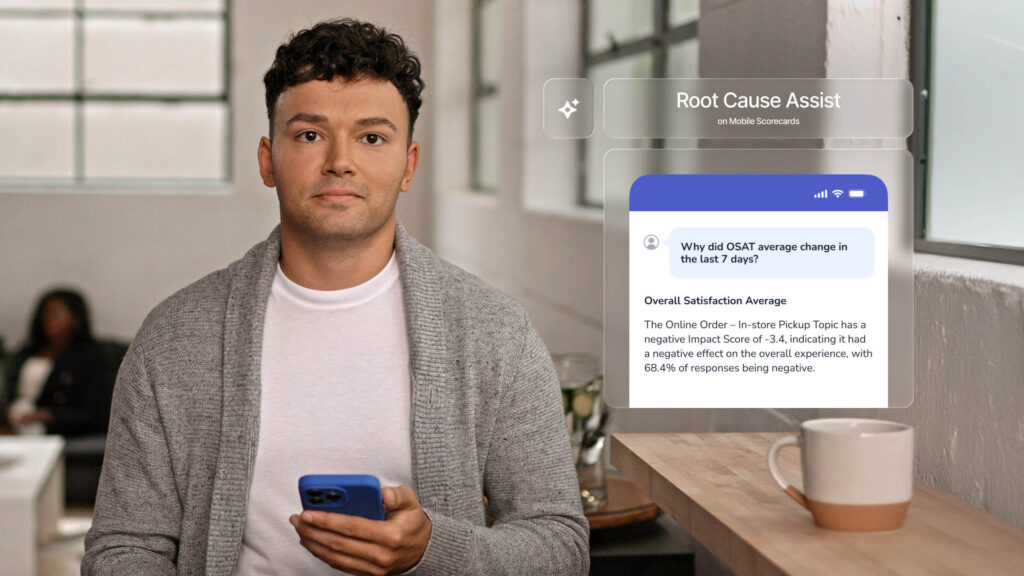
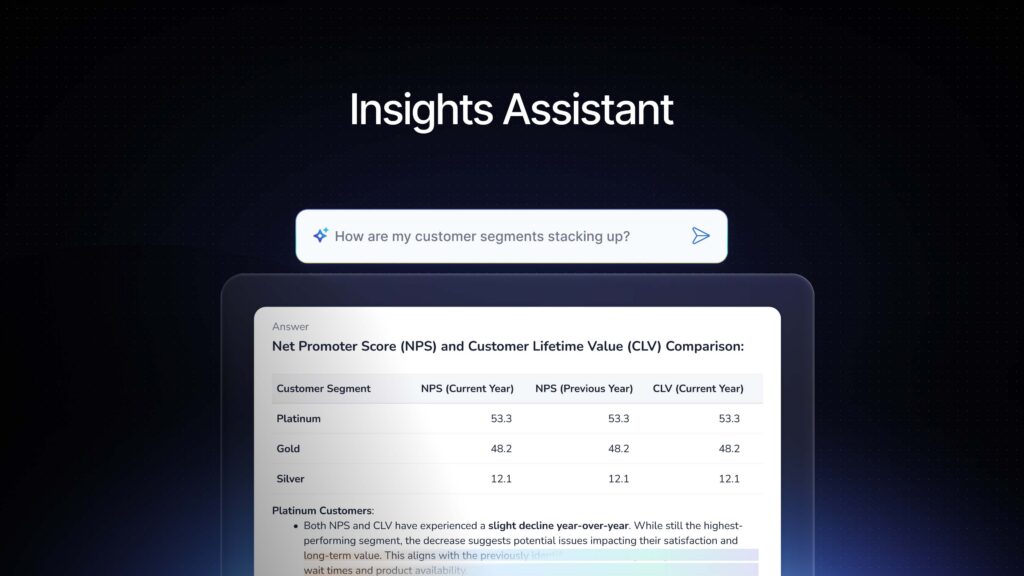
I do think that the way that we went around redoing our dashboards, which are probably now gonna change a bit, right? With AI answering those business questions. Before we were just putting data. And so not everybody understands how to read data and you know how to activate against it.
And so answering those business questions and then we put into place. We have what’s called service ambassadors, and they’re throughout the organization. They volunteer, they’re people who are very passionate and we meet with them. We have a director of service excellence that kind of oversees a lot of this, so also having people in place that are the champions across your organization.
We were just having a conversation at lunch of, we have a few other gaps of where to put some champions, and I think that makes a really big difference and a big [00:20:00] impact.
Audience Question 3: I’ve heard a lot about standardization and. Unified standards and all these things, which makes totally sense. At the same time, I can imagine you’re in a business where maybe some of your employees also see themselves brother as, let’s call them artists.
I’m wondering on that side of things, when we talk about employees, how did that resonate and what kind of pushbacks were there in the poses as well?
Jill Hunt: I would agree with you. So the way that our business model operates, where we’re sitting in hotels, those teams also have to operate under the culture of that hotel.
So you all experience this, a Four Seasons is gonna be very different than Marriot Renaissance. So yes, there is definitely local adaptation that has to be allowed to happen. We’re actually spending a lot more time talking about that right now and trying to improve upon how do you do global standards, but local execution because you do have to be able to have that flexibility.
[00:21:00] I think that pushback comes a little bit when the standards feel too rigid and again, if they’re not grounded in reality. And so these are not fixed, like we will be going through a process this year of looking at them again. Updating them and getting the feedback from the field and ensuring, we understand hey, maybe this is too rigid.
It’s just not reality, anymore. And so I think that’s where we start to get some pushback. Hopefully this has been helpful. If any of you are on a similar journey or starting your journey, I’m more than happy to spend more time talking to you. There’s a lot of detail that we obviously didn’t have time to go through we’re really proud of the work that we did with material.
I’m really proud of the team and the progress we have made. It’s not over. It’s always a work in progress, as you guys know, and we’re gonna continue working on it. Okay. Thank you. Thanks everyone.