[00:00:00]
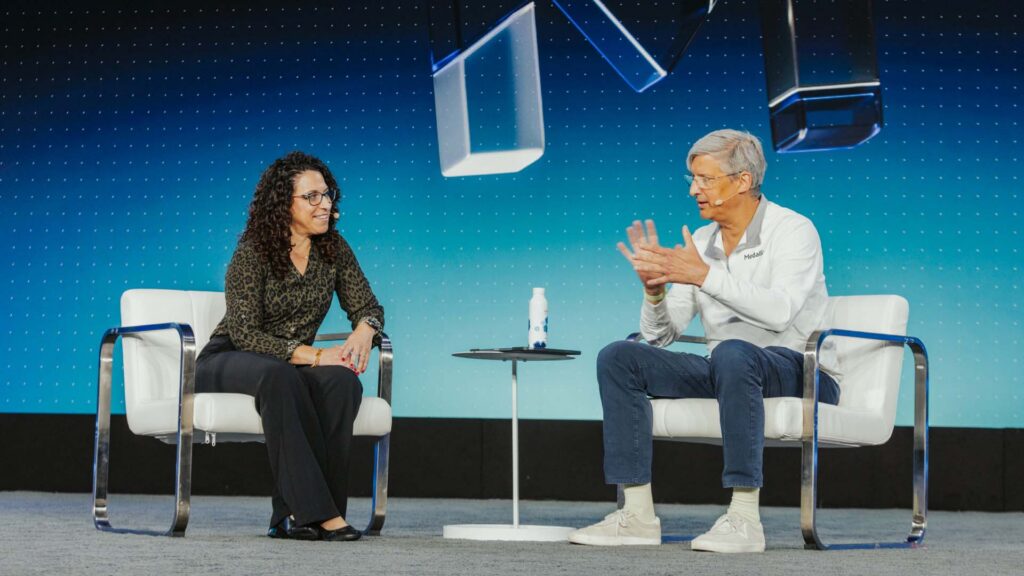
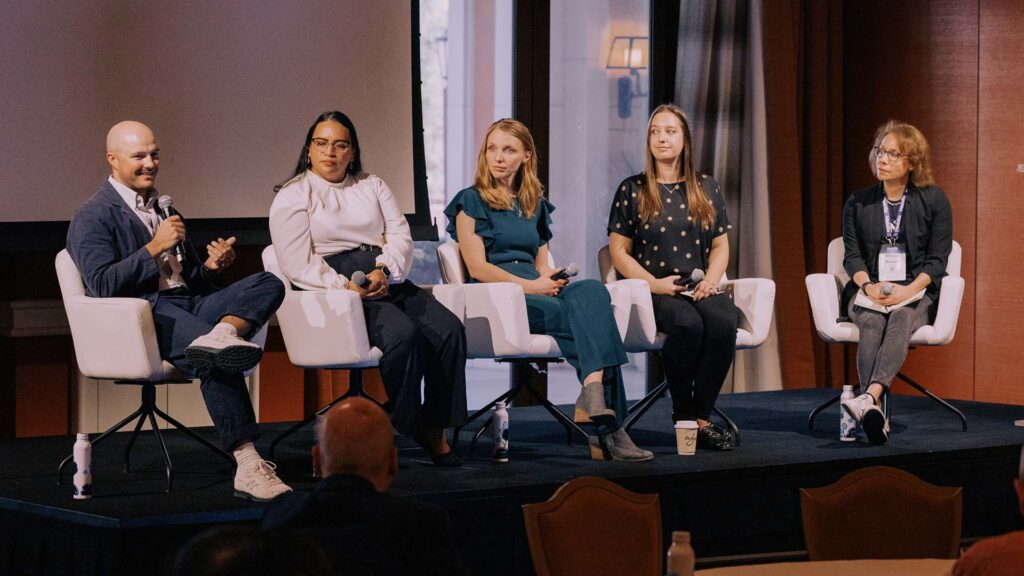
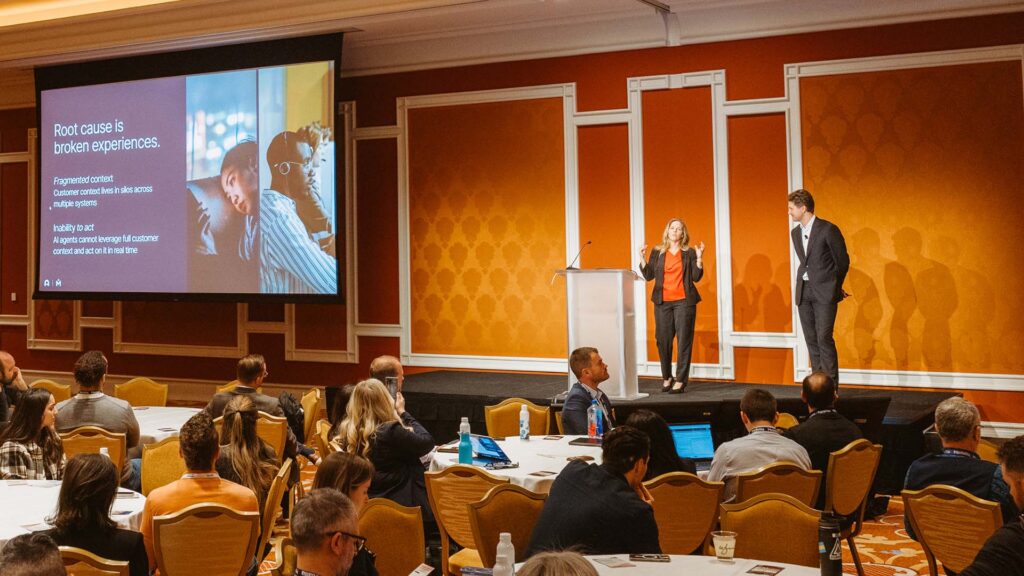
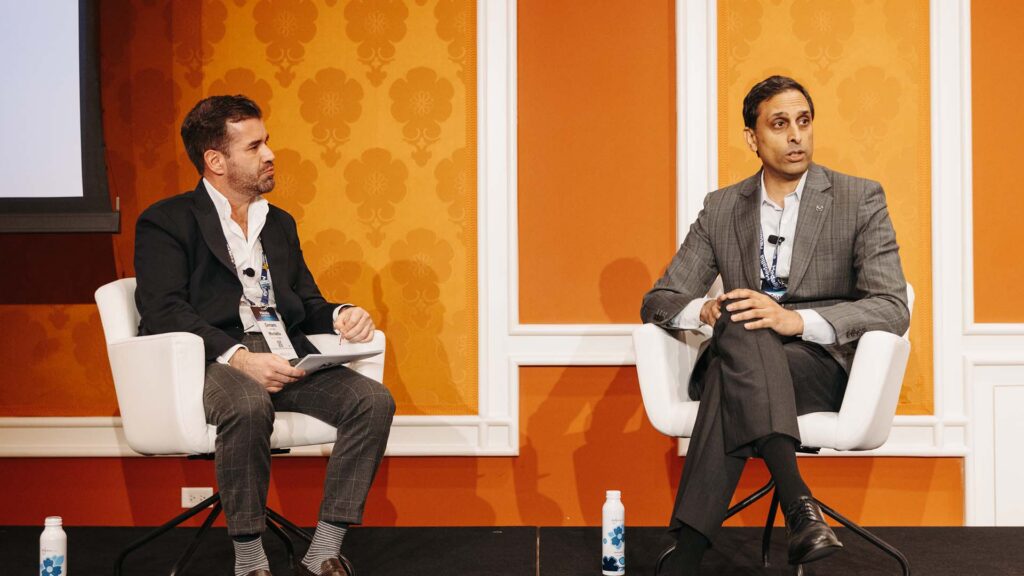
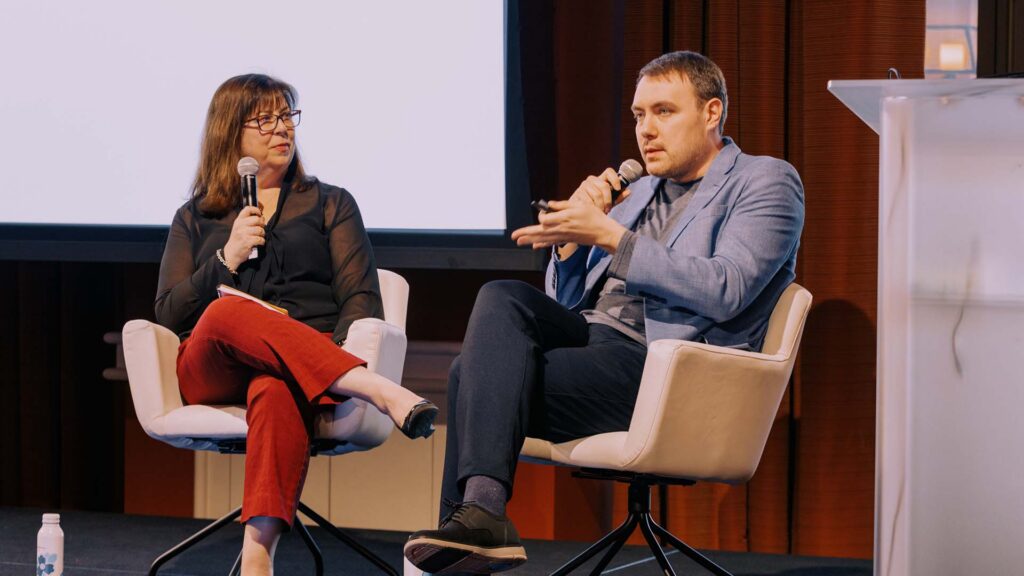
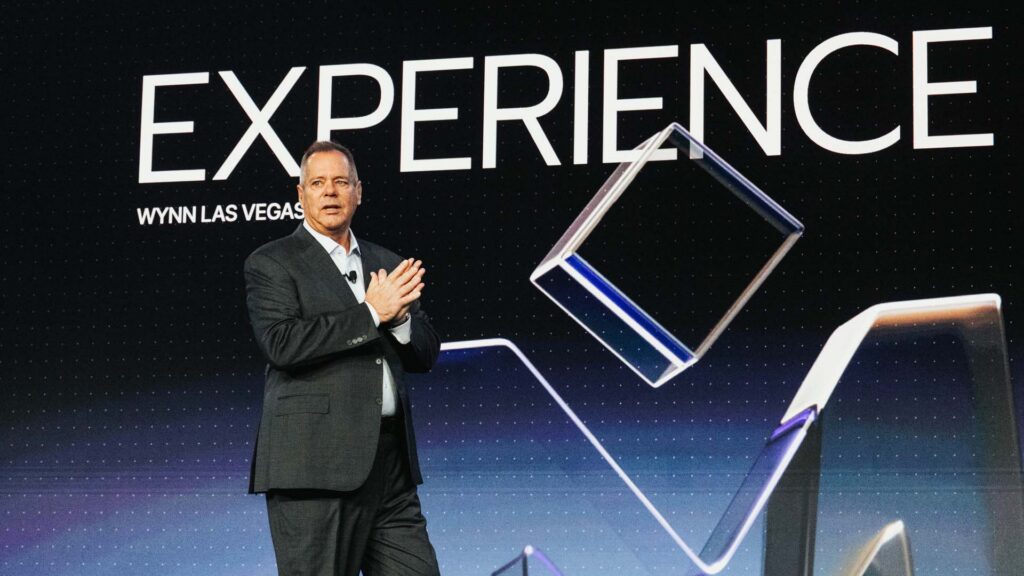
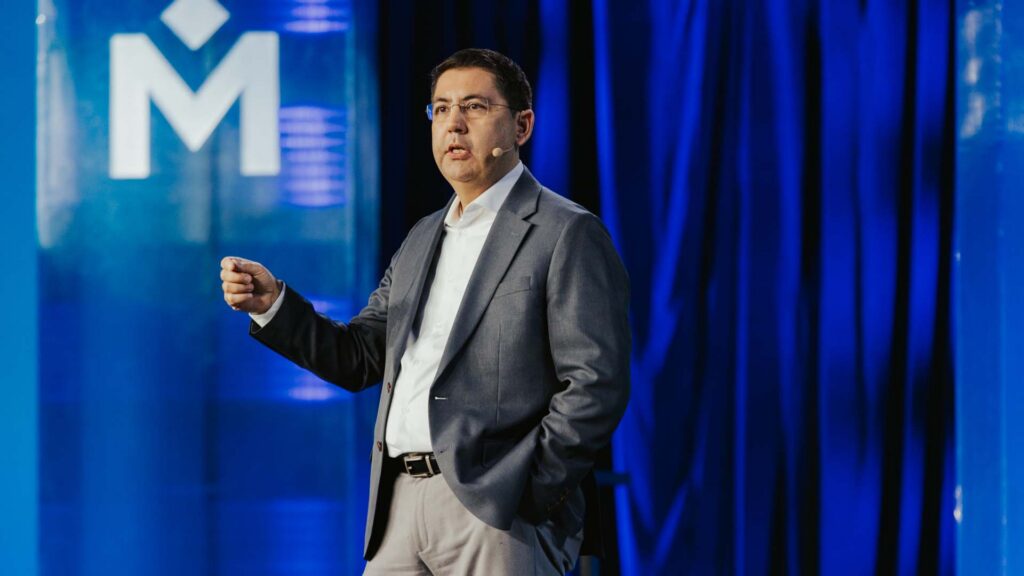
Ben Lawder: This is modernizing CX across business models. We’re gonna talk a little bit about what’s changing in the world of cx, how that’s really shaping up across all different businesses, different industries. I’m Ben Lawder. I’m the Senior Vice President of customer experience at Kantar. Those of you that don’t know us, we provide a lot of the intelligence that powers many of the world’s largest brands.
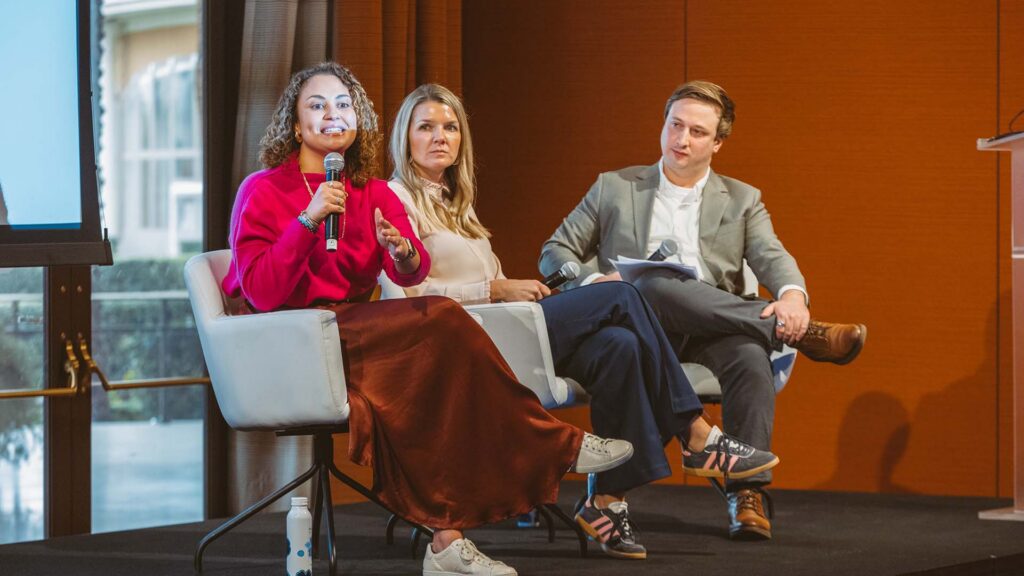
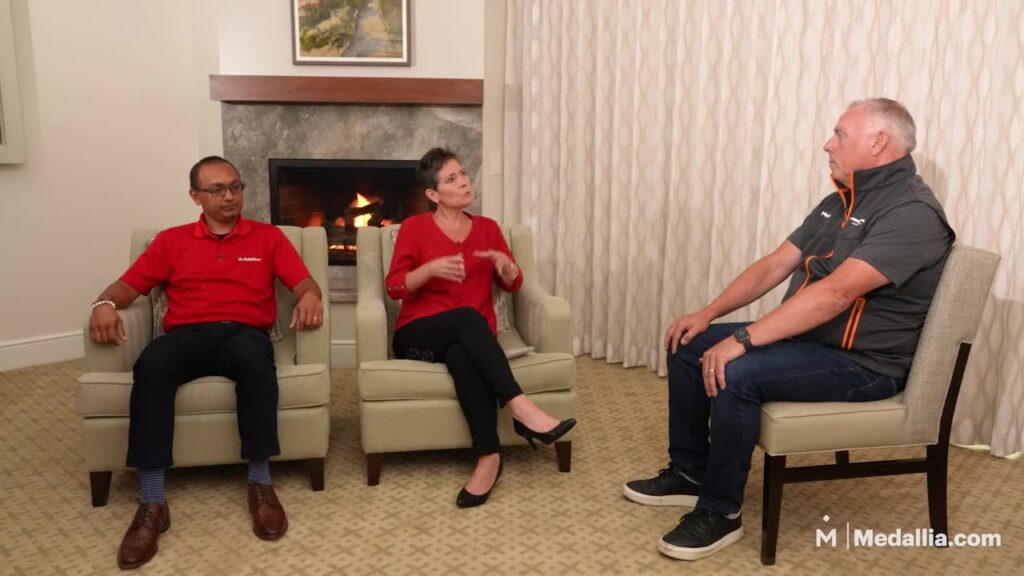
Ben Lawder: So we’ll talk a little bit about the interplay between brand and customer experience and how we kinda see that. Thrilled today to be joined by two of our favorite clients and some of my personal favorite brands. So we’ll give you kind of some stories along the way. But Allegra and Ben, thanks so much for joining us today.
Ben Lawder: Do you wanna do a quick intro of yourself?
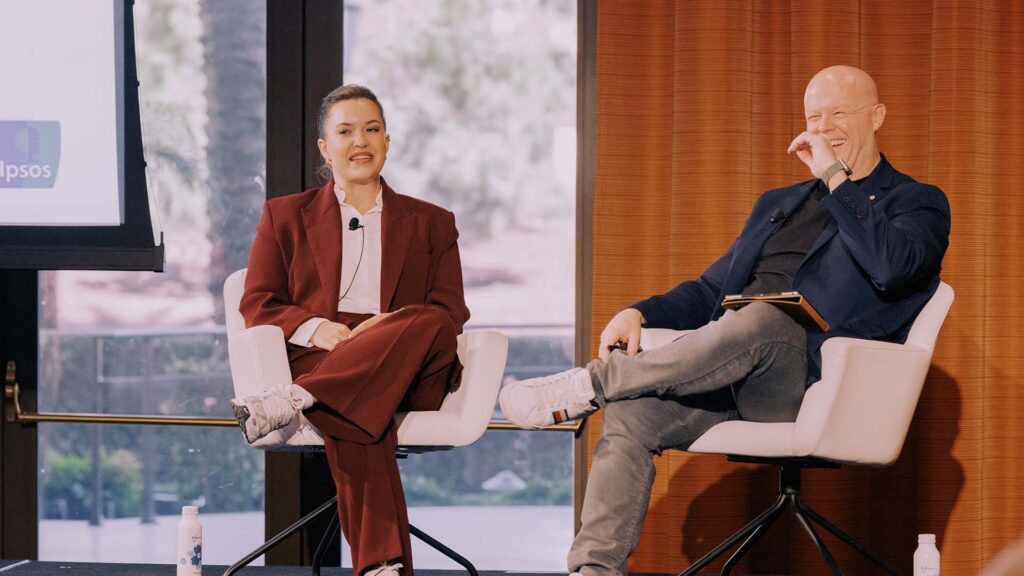
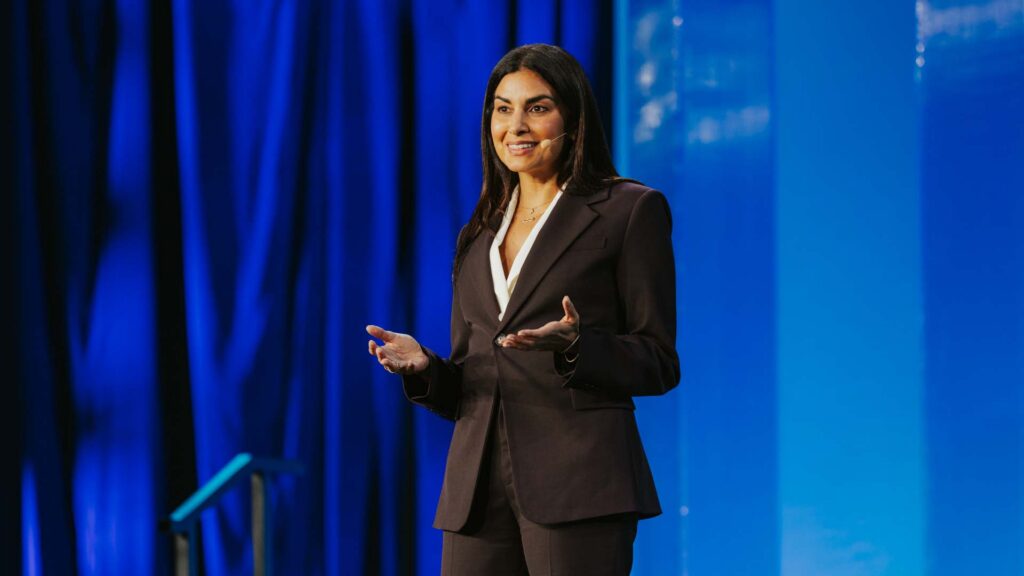
Allegra Pedretti: Sure. Very excited to be here today. I’m gonna be real with you guys. I’m gonna Backstreet Boys later, so I’m also very excited about that. But. This is my second favorite thing I’m doing tonight. I lead our retail healthcare delivery, which is our clinic practices and our digital programs at CVS Health.
Allegra Pedretti: And I also have a team under me that focuses on new measurement, so very excited.
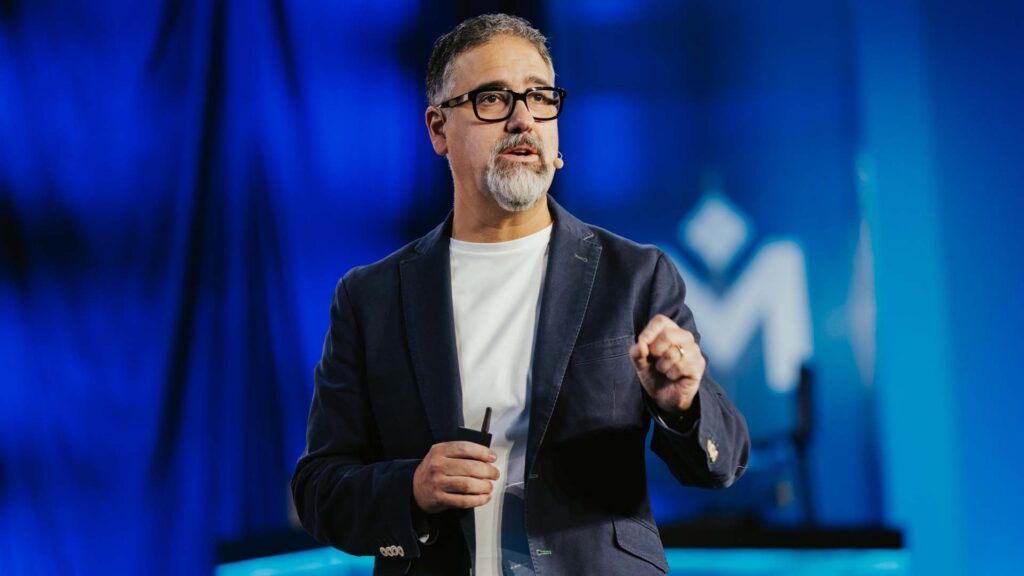
Ben Sargeant: Good. Firstly, thank you for having me here today. Yeah, real pleasure. [00:01:00] To fly over all this way and meet all your lovely people and and talk to you a little bit about what we’re doing in the UK with customer experience.
Ben Sargeant: I’m Ben sart. I am, I’ve been with Hyundai. UK for 10 years in various roles, mainly customer experience and after sales. And I’ve just actually been appointed to lead Genesis in the UK across all elements. So I’ve just taken on board Genesis as we relaunch that brand as our luxury brand. So it’s great to be here.
Ben Sargeant: Talk to you about that.
Ben Lawder: And when we say that these are brands that that I use on a daily basis, I’m not kidding. So in terms of I’m four months into life at Kantar. I am out on the road visiting customers frequently. So yeah. Last week I, in. West Coast. So normally in, in Atlanta, pick up a cold traveling.
Ben Lawder: And so I was spent time in three different CVSs in two different states last week. But the loyalty program with the filling a prescription that happens to be through Aetna. So our insurance in the CVS world and I’m driving around to all of these places in a brand new, hyundai Ionic five that we picked up.
Ben Lawder: I will say that as a plug [00:02:00] for for everybody attending conferences like this. We were on our way to test drive another car. That dealership did not open until nine o’clock in the morning and I was like I’ve heard so many good things about Hyundai from these sessions and from working with them that I was like, they open at eight, we’re gonna stop in and swing by that dealership first.
Ben Lawder: And swinging by and having the right customer experience and being able to deliver on that means that we now own, I own a new Hyundai. So in terms of you may actually drive significant sales by showing up and attending these events and participating. Good lesson for everybody. So wanted to give one stat just to ground us, and this is something that we talk about a lot, especially in the week of the the Super Bowl.
Ben Lawder: We get a lot of questions. Cantor works with 98 out of the top 100 global brands and
Ben Lawder: one of the big questions that we get. From CMOs especially, is what drives brand growth. What do I need to be doing to accelerate, to boosting in the market? And as you would expect coming from ads and the paid media and all of that world, that is an important portion that only gets you about 25% of the way there.[00:03:00]
Ben Lawder: So that’s good. And it’s hard to do well without that. But really the other 75% is tied into the experience that you deliver, the product experience, the sales experience, everything else that comes a part of that. So in terms of you can do the best ads and the funniest moments and the best media campaigns, but if you’re not showing up and delivering when it counts, then you have a very hard time delivering on that as a brand.
Ben Lawder: And you can do all of that right? And not have the. Media piece on the left, and it’s very hard to do it. So in terms of a lot of times really connecting and bringing those two together. So I guess with that, the framework maybe Allegra, we’ll start with you. So CVS is almost 9,000 or maybe right around 9,000.
Ben Lawder: Retail locations, a hundred million plus customers, enormous scale.
Ben Lawder: When you’re thinking about modernizing and evolving kinda the brand. What are some of the things that you’re really thinking about, keeping your program fresh and new?
Allegra Pedretti: Yeah, we talk about it a lot. So I would say a core focus for us that we are a large.
Allegra Pedretti: Program scale. We have about 250 surveys, 18 [00:04:00] million customer responses a year. 90,000 frontline users. 93% of our stores are logging in weekly. So we have a very engaged base. We’re really lucky in that regard. I would say we talk a lot about going beyond surveys, that we are not here to tell the weather.
Allegra Pedretti: We are really here to connect to operational insights and behavioral data. So a lot of what we’re doing in terms of innovation of our program is connected data. Predictive data, understanding populations that are difficult to survey. And that’s really when we think about innovation, our core focus areas.
Ben Lawder: Ben what sort of ways are you evolving your program and how are you thinking about this kind of shifting, kinda some of the themes this morning? How are you moving beyond surveys, thinking about how you’re picking up more signals to
Ben Sargeant: Yeah. Tell a bigger picture. I guess I’ll start with one of the challenges that we’ve had for a period of time.
Ben Sargeant: So when you look at. Measurements like NPS and you’ve got a dealership network that are being pushed to achieve higher and higher scores year on year. You tend to see some kind of behavior challenges. [00:05:00] I’ll give you an example. Maybe you were sat in a car dealership and somebody puts a mug in front of you or cup in front of you and it says, score me a 10 outta 10.
Ben Sargeant: Or you have a follow up after you visited a dealership and they’re like, oh, I really need you to score me really well today. And my bonus is paid on this. The challenge with that is it triggers the wrong behavior and you don’t get a natural, natural scoring. Yeah. So when you see NPS score increase significantly up to the nineties 95, that’s not real.
Ben Sargeant: That’s not real, that’s not what customers are getting. So what we’ve done at Hyundai UK is we’ve changed the way we manage customer experience measurements. So we switch to what we call experience index score. And I like to position that as a holistic view on customer experience. And I’ll talk about why that’s the case.
Ben Sargeant: So we start with maybe a hygiene measure, so data capture from the outset. So are you getting correct customer information, email address, phone numbers, all of that stuff that you need to engage with a customer because unlike CBS, our customer experience [00:06:00] process could be quite elongated. Yeah.
Ben Sargeant: Buying a car is generally something that you might do. Every five years at best. And it’s one of the biggest purchases in your life. So we have to make sure that we work with those customers for a period of time. So getting the right data is really important for us. So there’s a measurement in there for data.
Ben Sargeant: Then we switch to what we would call things like email bounce rates delivery rates. And we put a measure in place for that. So capturing the data, connecting with the customer. Then NPS comes in, and NPS has a key area within what we’re trying to achieve. So that’s another measure. But then we go a little bit off piece there.
Ben Sargeant: So we start looking at social engagement. So the likes of Google Reviews, likes of Trustpilot, if you know those platforms. So going outside of a traditional model and bringing in external independent reviews into the mix. And then alongside that, once you have all of that I’m revealing a little bit of the secret sauce that we use here today.
Ben Sargeant: But once you have all of that, it’s then how do you manage. Things like detractors. Okay, so you get a detractor. Most important thing about detractors [00:07:00] is that you engage with a customer afterwards to understand what’s gone wrong and how you are gonna fix things. So alert, closure rate pulls in and response rate.
Ben Sargeant: That mixture allows us to create what we call an experience index and gives us that holistic view. Now, I guess why have we done that and what are the outputs? Within the automotive world, we pay margin or bonus based upon. Customer experience. And when you have all of those measures, it removes any argument per say, okay, that was an incorrect survey that was sent.
Ben Sargeant: Or Oh, the customer may have been having a, an off day. You’ve got a mix. And that allows us to deal with any pushback that we’ll get from our dealer network, but have that clear view on exactly what the customer wants and needs.
Ben Lawder: So one of the things that, that both of these brands, do a great job at.
Ben Lawder: It’s something that at Kantar we call meaningfully different experiences and so we use those words very intentionally. But when you’re really thinking about what drives business value of programs like this, I feel like a lot of times in the space, we’ve been here for years, I’ve worked in this space for 25 years.
Ben Lawder: I’ve worked with 300 [00:08:00] and something different brands, and they’ve gone from talking about. We have to eliminate the friction. We have to make it easier. And yes, that’s important and we need to make this something that is unique to our brand and something that that feels like a repeatable experience.
Ben Lawder: So when you go into one CBS, you’re gonna have a similar experience as you go down, but. It’s a pretty disproportionate curve. So when we look at this across hundreds of thousands of data points, looking at many different organizations, it’s the organizations that find a way to deliver those wow moments.
Ben Lawder: So those signature moments, the things that really solve a customer problem, they feel unique to the brand. That’s something that you can really say yes, like this is a key part of the problem and you can’t do that. Everywhere across the board, but can you find those moments that are unique, that help you stand out from from the the crowd and really build some of that, that long-term kind of brand love when you have stuff.
Ben Lawder: So I think one of the examples that I love program, I think it’s tomorrow’s journey, right? Yeah. So in terms of rethinking what I know is one of the kind of critical elements of a car buying [00:09:00] process, which is the test drive. Does anybody. I’ve done a test drive recently. Positive experience.
Ben Lawder: Negative. Yeah, it’s so like sometimes you look at it and it’s. That can be a fairly rough sort of experience. So tell us a little bit, what you’re doing and how you’re approaching kind of some of these signature moments.
Ben Sargeant: Yeah. Of course. I know you just bought an Ionic five, which I’m very grateful for.
Ben Sargeant: It’s great to see you in one of our products, but you’ve had a test drive and we were talking last night about. Your test drive experience and not with your name, but with another brand, and how did that go?
Ben Lawder: Yeah I won’t say the brand, I haven’t seen them around the halls here, but just in case they’re here, I’m sure that this was a one-off isolated experience, but we’d heard recommendations, we’d done our online research.
Ben Lawder: My wife is I could be in a crowd all day long and mingle with all of you guys. My wife is the exact opposite and she’s I want this process to be as simple as possible. We go in, reserve a time to go test drive a car. And they said, oh, we don’t have that particular one. And we thought it was maybe just a different trim.
Ben Lawder: It doesn’t have the, I don’t know, the leather seats or the moon roof, but they ended up putting us in an entirely different [00:10:00] car. It wasn’t even an electric car that we were shopping for, so it wasn’t even in the same category. And it was just like, this is what we have, see what you think about this today and everything.
Ben Lawder: And so it was just it from that standpoint, it’s pretty hard to recover and to get that down. Going from a process that we didn’t have a whole lot of desire to consider the brand just because you had that one moment that felt pretty off. So
Ben Sargeant: yeah, that’s not a one off, by the way. That happens a lot.
Ben Sargeant: I see that a lot on customer feedback. I guess we’re getting smarter at what we’re doing particularly about how we interact with customer. So we launched a platform called Tomorrow’s Journey. It’s a digital test drive program. It allows us to assess customer behavior and dealer behavior and ensure we’re getting that correct information.
Ben Sargeant: So if you’d gone through our platform, we would’ve received that feedback from you and been able to do something differently about it. Hopefully with our. You wouldn’t have gone through that experience anyway. But what is it? It’s a digital test drive booking journey, but it goes beyond traditional test drive.
Ben Sargeant: So it provides customers with complete flexibility about when they want their test drive, how [00:11:00] long they want it for. Do you want it overnight? Do you want it for a week? Do you want it for a weekend? Do you need it at a particular time? Particular time of year. So you can book in online, you can make that request, but not only do you book in online for that request, but you choose a specific vehicle, the exact specification that you want.
Ben Sargeant: And if the dealership that you’re going to doesn’t have that, then we’ll move the cars around to make sure that they’re available. So the experience that you went through, you, you wouldn’t have got through a platform that we’ve embedded also rebooking options for complete complete flexibility.
Ben Sargeant: And the reason for doing that is exactly the challenge that you have. It removes that customer pain point and allows us to. Deliver the experience that you expect. Now that platform’s done really well for us. It’s gonna, it’s up for an award next year this year, sorry, in March. So best application of technology at the Institute of Customer Service of Fingers crossed, we might get an award for that as well.
Ben Sargeant: Yeah. So yeah,
Ben Lawder: it’s a space that needs disruption. So I love it. Allegra,
Ben Lawder: when you’re thinking about putting. Kind of your program in context and how do you show up and talk about being different and unique in the way that you show up? How do you think about MDX? [00:12:00] How do you think about kinda the broader benchmarking your program?
Allegra Pedretti: I am a self proclaimed Kantar fan girl and MDX fan girl. I’ve been working with Kantar in different organizations, different capacities for the better part of 15 years. I’m a really big believer in the framework and at CVSI think there’s two ways we really think about this framework. One is with competitive benchmarking, which is a program that Kantar leads.
Allegra Pedretti: We’re a very happy partner of Kantar. I would encourage all of you who are CX program owners to not just focus on your own customers experiences that have successfully transacted with you and to think about. The larger marketplace where those experiences exist. There’s a real dynamic that can happen where you can see your NPS going up and you can see churn going up at the same time.
Allegra Pedretti: And that’s because customers that are leaving your brand are not filling out surveys anymore. So it’s something we focus on a lot is competitive benchmarking, is really thinking about how our brand is stacked up against, from an experience standpoint and from a brand standpoint against [00:13:00] all of the different categories that we work in.
Allegra Pedretti: The other thing that we focus on a lot is. Service recovery and closed loop feedback. We know that a, negative brand experience is far worse for the brand and as opposed to a positive experience strengthens the brand, it is much harder to recover from that detractor experience. So we do a lot in terms of really trying to proactive recover from those experiences to.
Allegra Pedretti: Try to make sure that we’re not losing people from our brands.
Ben Lawder: And so when we talk about being meaningful and different and standing out in any industry that you’re in, that’s not just oh, that, that feels good and that sounds great. I’ll give you two data points. So the first one, I think it’s like 10,000 data points.
Ben Lawder: Significant number of data points across multiple different organizations that we work with have consistently shown that the organizations that invest in customer experience, that focus on improving their customer experience. They’re 2.5 times more likely to significantly increase their market share.
Ben Lawder: So in terms of you want to go up and figure out how are you getting the attention of your C-suite, how are you getting the attention of your CMO [00:14:00] or your COO? That’s certainly one is how do we help you gain share in the market, not just report the news, not just what was SID’S comment like? We don’t wanna be the score trackers anymore.
Ben Lawder: A different lens of looking at it, customers that perceive that you are different. And that you’re unique and that you stand out and they understand how your offering in whatever field works, they are significantly more likely to pay much more for your product. Everybody wants to make money.
Ben Lawder: Everybody wants to not be the low price spots when we’re differentiating, we’re standing out. This is a great way to really uniquely do that. So we’ve got those kind of do two data points. Are there ways that you really think about showing the impact, proving the value of your own program?
Ben Lawder: Kind of how do you. How do you start to think about that?
Allegra Pedretti: Yeah we spend a lot of time on this. I would say at CVS, we really talk about ourselves as an operational CX program. I said, we don’t tell the weather and we really don’t. There are a couple of things we, NPS is very central to our management incentive plan of 300,000 colleagues across CVS.
Allegra Pedretti: That is definitely putting your money where your mouth [00:15:00] is. It is a beast to manage. I will not pretend it’s not my colleague back there, someone that manages it and. It’s something that we, put a lot of time and energy behind, but it means that everyone really has skin in the game in terms of customer experience.
Allegra Pedretti: I think the other core component, and the other way we talk about it is just constant operational linkage. So at a store level, I can tell you for one of our 9,000 stores, if you were to change the carpet, what would the impact be? If you were to change the inventory, what would the impact be if you were to change this?
Allegra Pedretti: Staffing model, what would the impact be on NPS? On script growth and on revenue. So we do a lot to link all of those things. We are never just reporting out NPS. So that’s really the core component for us is just constant, very rigorous operational and behavioral linkage.
Ben Lawder: And what about Hyundai?
Ben Sargeant: Yeah, there’s a couple of things that we that we do. Obviously network profitability is extremely important for us ’cause we don’t have a dealer network that’s profitable, then you don’t have a dealer network. But we support ’em in various ways. One of the projects that we launched is a.[00:16:00]
Ben Sargeant: Lap customer program. So we’re looking through service and customers that aren’t visiting after a period of time and reengaging with those customers when historically that hasn’t been something that’s been done as a normal normal thing to do every day. So engage a program like that, and that’s really interesting insight that comes back from that actually, because sometimes when you speak to customers, it’s oh, I just forgot.
Ben Sargeant: Or actually I didn’t have a great experience last time, but because you contacted me, I’m gonna come in and see you again. So we implement various programs like that to try and drive additional profitability.
Ben Sargeant: But one of the things that we’re quite good at is we can get access into a lot of data that I think there might be some restrictions in the us but we can get right down into invoice data and DMS data and we can pull that out of the dealer systems.
Ben Sargeant: And then we run that against what we would call a balanced scorecard. And within there’s a profitability pillar that tells us exactly how profitable our dealers are. And there’s a direct correlation. So the top 25% in terms of customer experience, lo and behold, a 32% more profitable than [00:17:00] the rest of the network.
Ben Sargeant: So for us, it’s all always about trying to understand. What is the customer experience program delivering and how is it helping you? The Lapse Customer Program is a platform that’s been developed through ktar in Medallia, and it’s automated, so it will trigger at a certain point in time, and then we’ll have various contact centers that will reach out to those customers to understand, why are you lapsed and what can we do to potentially win your business back.
Ben Sargeant: Yeah, that’s, they’re the kind of the programs that that we put in place. And the feedback from them is,
Ben Lawder: is really good. I love the, how do we get to something that shows that we’re taking action or we’re doing something, we’re we’re becoming that business transformation resource instead of we’re becoming the the measurement person, the survey person before we jump into questions here in just a second.
Ben Lawder: Both highly successful programs very complex programs, award-winning programs,
Ben Lawder: What’s next? What are the things that you’re looking at that you’re like, this is the frontier. This is where we know we have to take our program to make sure that we’re keeping this level in the future.
Allegra Pedretti: I think this has been every hallway conversation, I assume you all are talking about as [00:18:00] well.
Allegra Pedretti: An interesting conversation I had at dinner last night was that last year everyone was at this very early infancy of ai. This year it feels like. Some of us are spending a lot more time investing and playing with ai. Others have just gotten access to co-pilot and that’s, there’s a kind of a bigger gap in terms of adoption.
Allegra Pedretti: I think next year we’re gonna see more convergence again, that everyone is going to spend time investing and we’re gonna learn which tools are working well with cx. I would say the way that. CVS has been, we are, we’re in a really lucky position that from a really top down level, we very publicly said we’re investing in ai.
Allegra Pedretti: And so there’s a lot of support from leadership to test and learn to do proofs of concept, to really understand what is more efficient and effective for our programs. I think the way I would encourage folks to think about AI going forward is not just a reporting solution or speed to insights, but where are there gaps in terms of your customer feedback?
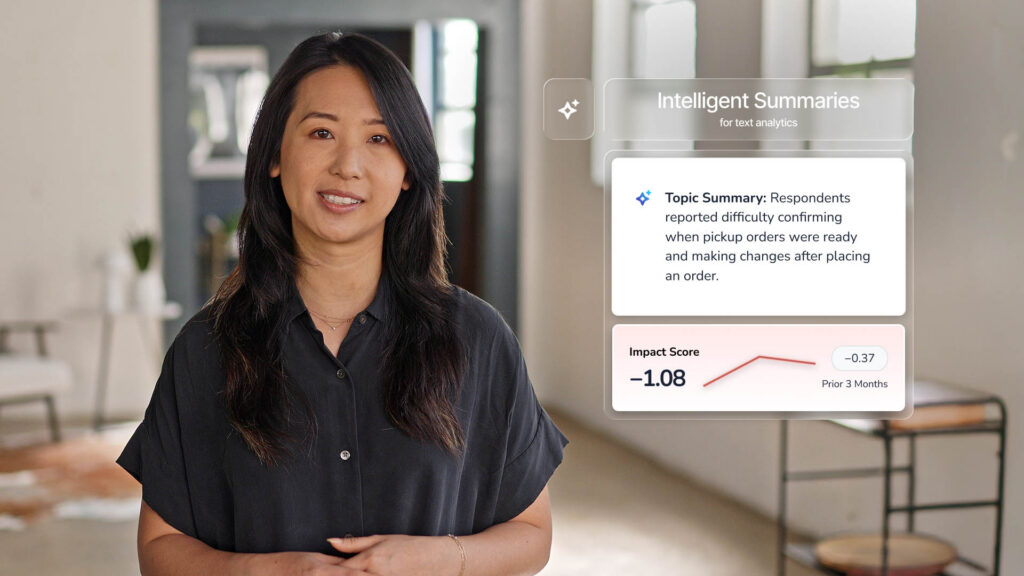
Allegra Pedretti: Where are you not hearing from specific customers and where [00:19:00] do you wish you could learn more and think about it in terms of how to fill those gaps? So we’re doing a lot of work around synthetic and predictive NPS digital twin populations. We are really trying to think about. AI solu and sort of new measurement solutions is how do we fill gaps with our existing program, not just summarizing insights in copilot.
Allegra Pedretti: So that’s really the way that we’re thinking about the future. Right now,
Ben Sargeant: we’re focusing on, on, on quite a few areas. One of one of the areas is around engagement. We come up with some. Pretty crazy idea sometimes. And what we think is bright in terms of what the customer wants or the
Ben Sargeant: customer needs or what programs to implement.
Ben Sargeant: And actually, we’re not always right. So the most important thing that we’re working on right now is engagement with our network to ensure that the plans that we have in place and the programs that we’re launching are actually gonna work. We launched them with a series of test beds and pilots.
Ben Sargeant: And actually what that does when we have that is it drives overall engagement in the Medallia platform. Okay. Engagement’s not been an [00:20:00] issue for us, but we’re always trying to improve that area through our network. And actually when we go out to the network and provide insight or get them involved in, pilots, you see a significant increase in, in those engagement areas.
Ben Sargeant: Interesting stat for you. So again, I looked at the top 25% of our network in terms of platform engagement. And when you get them involved in those types of programs, we’re seeing a 4.4 net promoter score. Increase, which when you’re in the eighties is, that’s pretty significant in terms of program engagement.
Ben Sargeant: But it’s not the, just the data, it’s about what you do with it. So that’s an area that we’ve been working on. I mentioned Genesis earlier. So we’ve just relaunched the Genesis brand, our luxury brand of the Hinde arm, and we’re just about to replicate ei. Social scoring, everything that we’ve done for Hyundai Day with Genesis, but with Genesis is slightly different because the customer base is quite a unique customer base.
Ben Sargeant: We are offering a concierge service. It’s a luxury, premium, luxury vehicle, and when you’ve got a [00:21:00] network of Hyundai Day dealers, which is what we’re using to support the Genesis brand, there’s a completely different level of engagement needed. So we’re working on how that. MAP program’s gonna work for us.
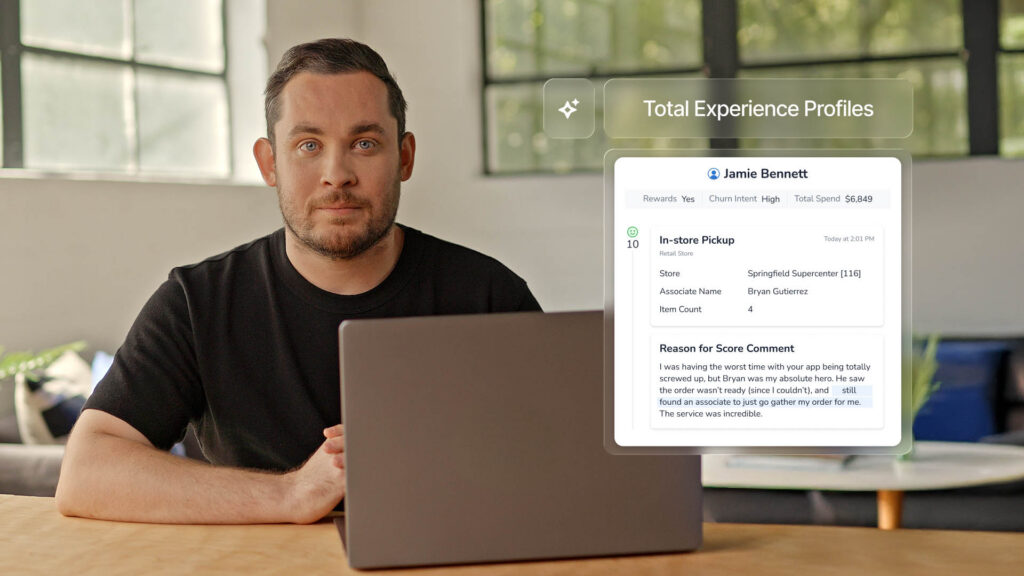
Ben Sargeant: But you mentioned ai. I’m responsible for our contact center in, in the uk and we have all of these contact points coming in. Every day. Our customers and our contact center should be telling us how to do business. That’s real life feedback. And all the CRM systems that we gone and data that we’ve got, it’s very difficult to draw down.
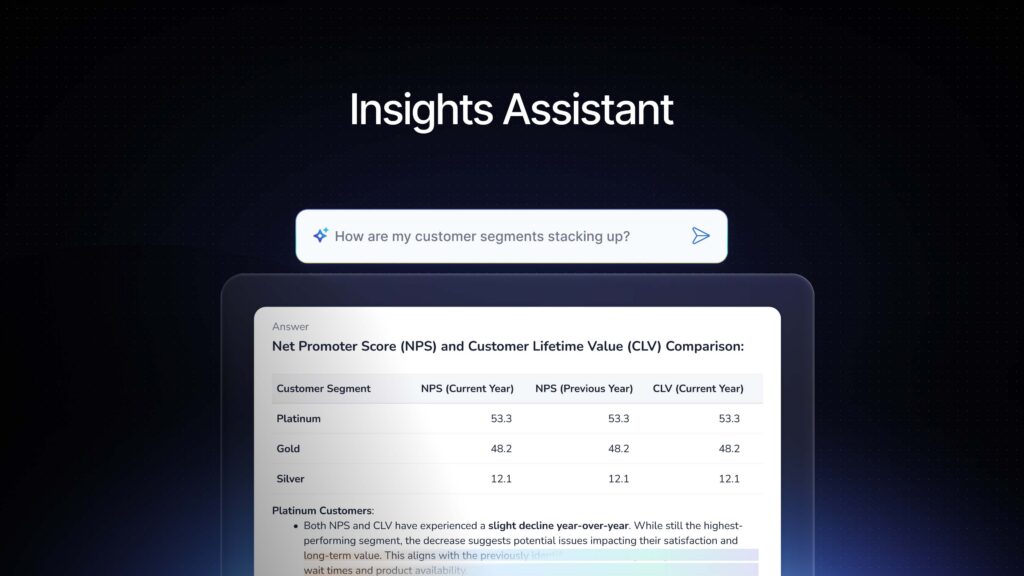
Ben Sargeant: Into those particular models. So it was really interesting on what was being shared earlier today, because I wanna get AI in as quickly as we can. We haven’t launched that yet, but I really see that as, digging into that the database and telling us real life, what happened yesterday?
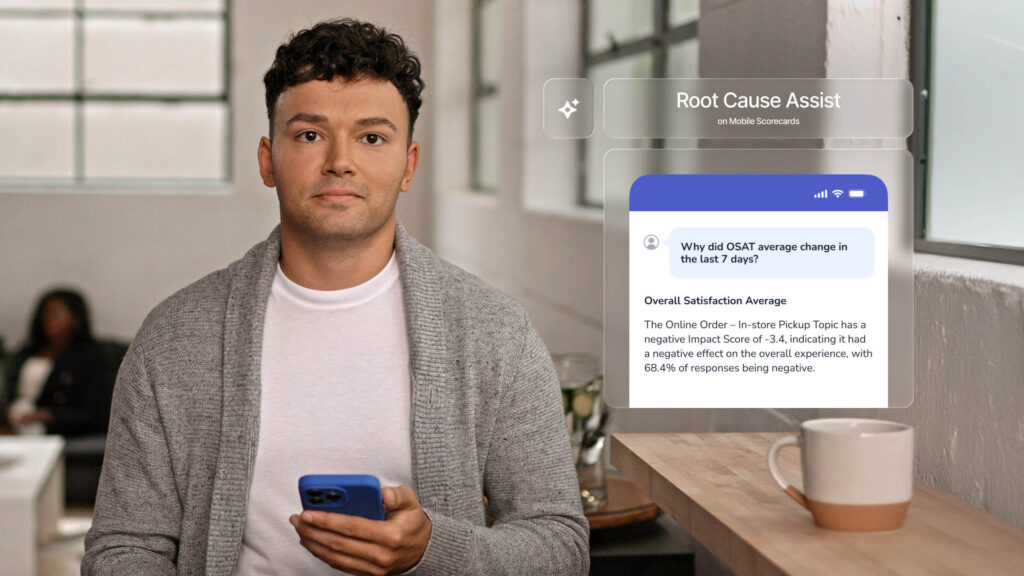
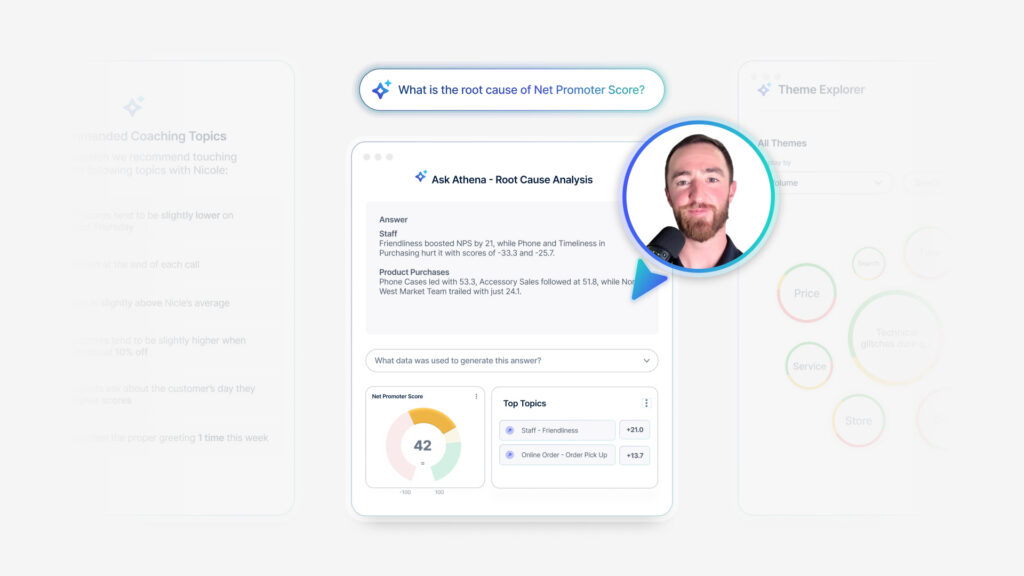
Ben Sargeant: What issues have our customers got? I’ve got problems with my blue link my, my digital services. Tell me exactly. How can I rectify these things? So yeah really keen to, to look at what we’re doing with that. And of course the AI root cause analysis that we saw earlier. Again, we wanna get that in as quickly as possible, so we’re looking forward to that.
Ben Sargeant: Going live. Yeah.
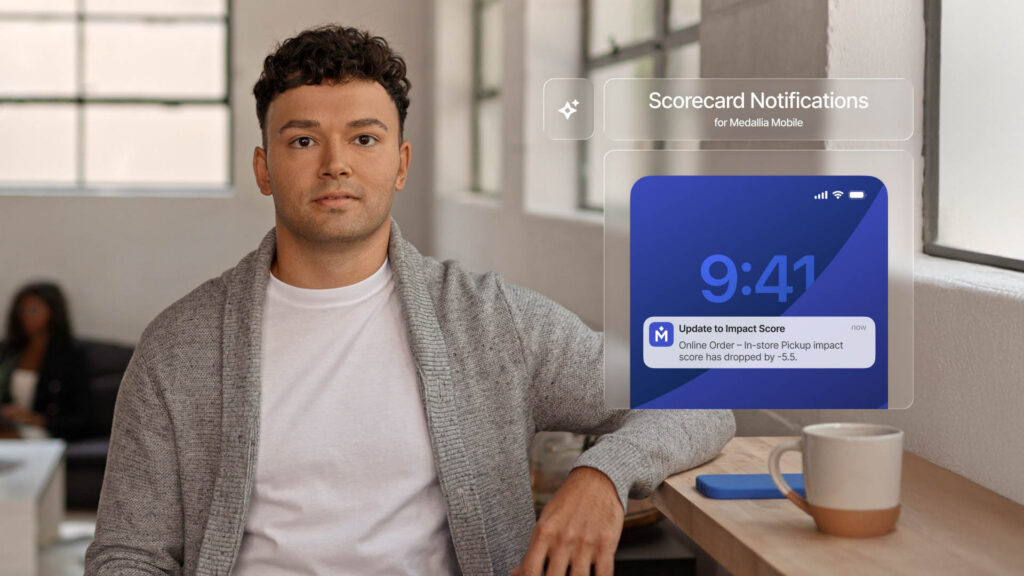
Ben Lawder: And I think that what really jumped out at me this [00:22:00] morning was not just the Hey, we can put it in the hands of the two of you and your teams and everybody in this room. That’s great and powerful, but when you put it in the hands of a store manager, of a dealership manager, how do we make their job easier?
Ben Lawder: Their job is not to be an insights person. It’s not to be the empress person. It’s not to look at their scores. How do we help them show up day in, day out so they can quickly look, what are the recommendations? What are the actions? I’m checking in for my shift. I’m checking in at my store.
Ben Lawder: What are the things that I need to. To do definitely some exciting exciting stuff coming. I’ll give you a quick plug. Feel free to scan this. There’s several white papers, several of the, if you’re trying to figure out like what is MDX and what are some of the acronyms that I use, feel free. You can not only scan that.
Ben Lawder: And then our our benchmarking product, we’re offering everybody that comes to experience $2,500 off. So feel free to, to scan that. Stop by talk to my team. It’s a friendly. Friendly bunch. But in terms of any
Ben Lawder: questions, what
Ben Sargeant: are, what’s on your mind? What are some things that you’d love to ask Ben and Allegra
Ben Lawder: when, while people are thinking about it, is there a pitfall that you would say that, Hey here’s how we’ve [00:23:00] stubbed our toe over the years that don’t want you guys to make the same mistake.
Ben Lawder: Or is there, on the flip side, is there some sort of an accelerator or something that it’s yes, like we’ve done this really well, here would be my kind of single practical tip that you might be able to. To share with somebody looking to replicate this.
Ben Sargeant: I repeat what I said earlier, really.
Ben Sargeant: I, we all think we’ve got great ideas. You need to test it, you need to make sure it works. And we spend a lot of time doing that. I come up with all kinds of crazy ideas in terms of what customer experience programs we can put in place. But the true reflection is, can you prove your return on investment?
Ben Sargeant: And make sure make sure you test it from the outset.
Allegra Pedretti: I think it’s challenging. Area for us right now is being very excited to test AI into new measurement tools across a lot of different areas, and it’s very easy to want to do pilots across 20 different companies that are all doing very similar things.
Allegra Pedretti: I think it’s a little bit harder to actually focus on what’s the problem that you’re trying to solve and finding the best [00:24:00] partner and the best solution for that. So I think that’s an area we’re sort, we’re navigating around right now because. There’s just such explosive growth in this space is how do we find the right partners for those solutions that we’re looking for?
Allegra Pedretti: I think some areas where we’ve had success are certainly that operational linkage piece, being able to speak the language of our partners or, in ops, in sales at the store colleague level, really being able to operationalize our data and help them make very immediate business decisions off of it.
Allegra Pedretti: And I think that it is. Very embedded within the organization. Everyone understands NPS. Every new colleague to CVS has to take a number of different NPS training courses. There’s very much a, an adoption across the org that I think has helped us accelerate the program.
Ben Sargeant: One of the things that we’ve implemented is what we call a CX champion, that each of our locations, and that’s not management level, it’s not a business owner.
Ben Sargeant: It’s somebody that’s doing what you would class, maybe a day to day role, but they experience that engagement with the [00:25:00] customer frequently. And we use them as a direct point for feedback. We bring them into our head office, we educate ’em on what we’re trying to achieve, but we take their direct feedback and they’re the advocates of our programs.
Ben Sargeant: And once you have an advocate of your program. You can go where you like with it. Really.
Ben Lawder: Thank you for attending. Thanks to Allegra and Ben, appreciate all the the guidance as you have stuff. Take your survey. We’re pro feedback, right? Appreciate all the feedback and come visit us.
Ben Lawder: Thanks.
Thank.