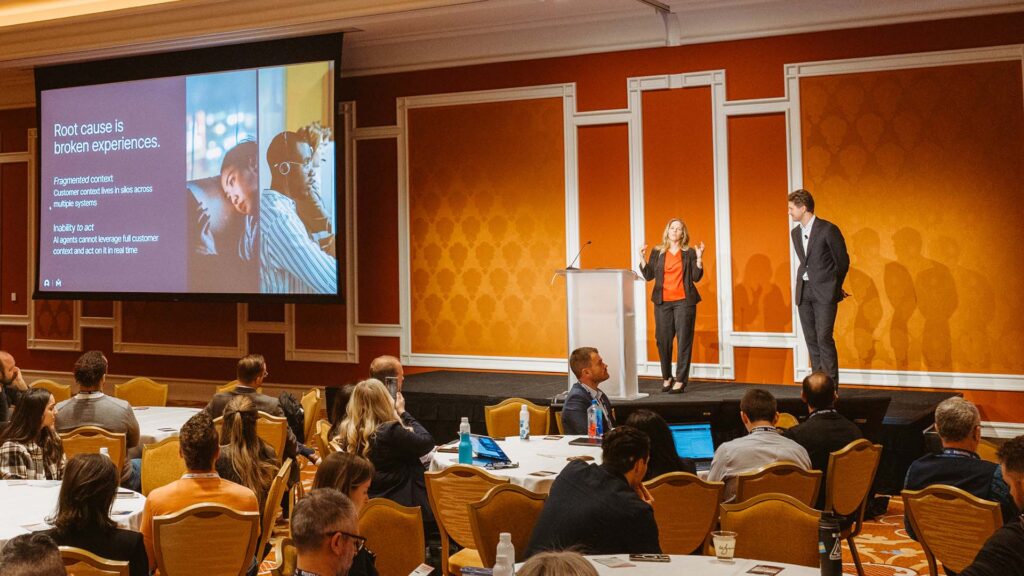
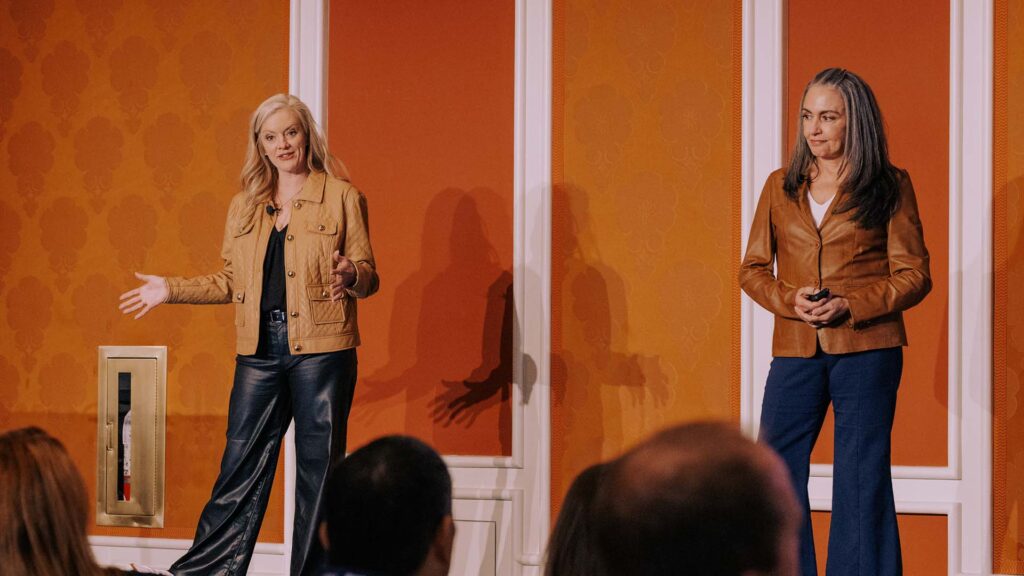
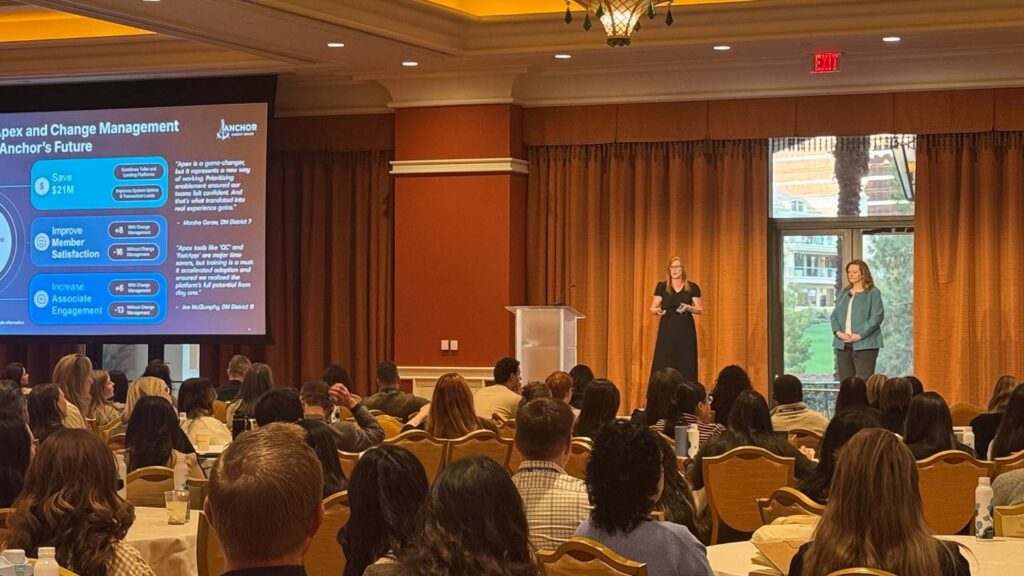
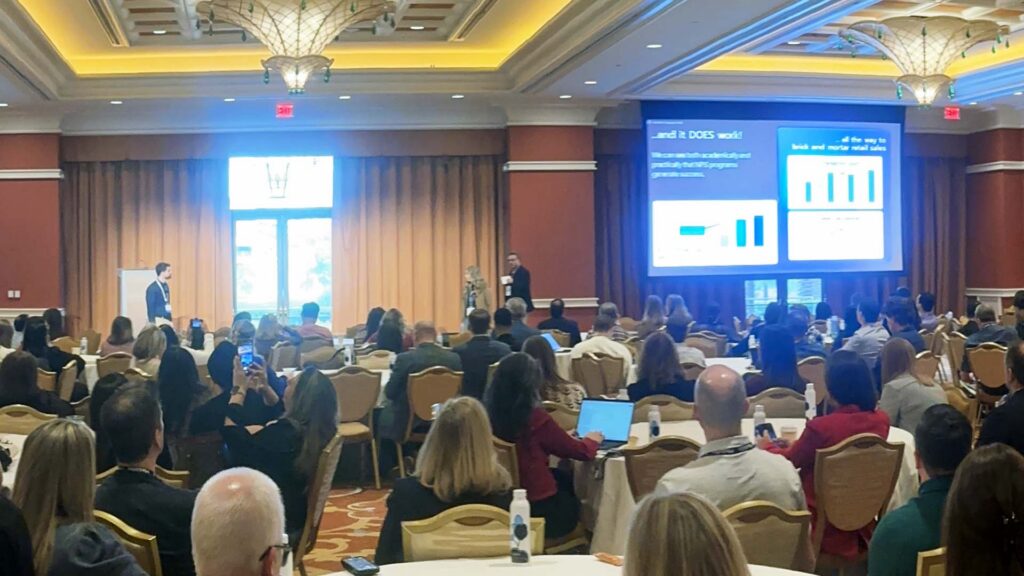
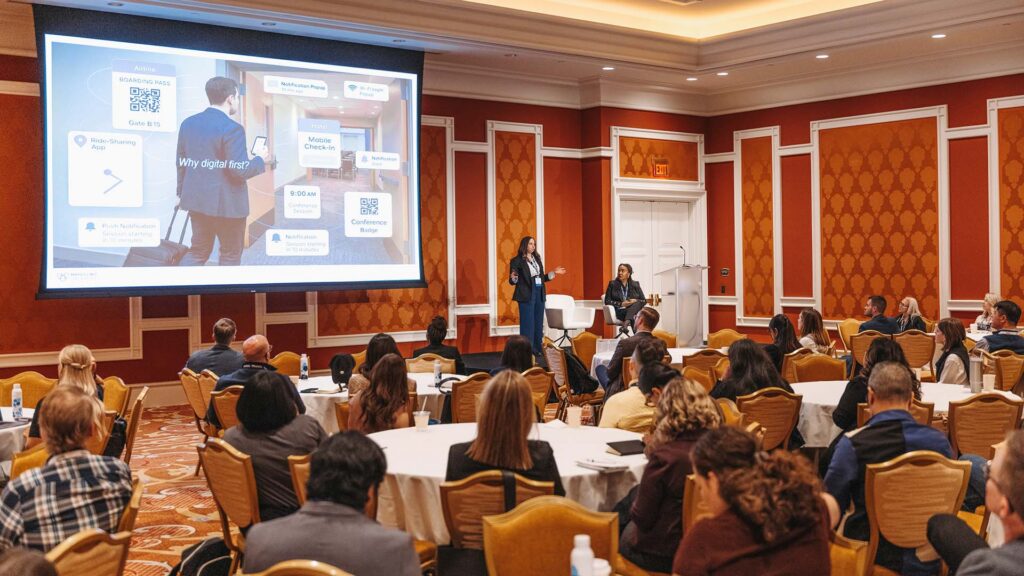
Danielle Withers: [00:00:00] Digital first, a novel approach to building omnichannel listening. I am Danielle Withers, client experience manager at Mayo Clinic Laboratories along my side, as in every day. She’s along my side as well, is Dr. Allison Charco, the client experience architect on our team. Much of my career has been in healthcare, focusing in patient experience, working in leadership at a healthcare system in Wisconsin.
Allie comes from the process improvement space in an academic healthcare setting and holds a doctorate in behavioral sciences with an emphasis in organizational psychology. So while our team is very much digitally focused, we are always thinking about the human first. And believe it or not, that commitment has been instrumental in shaping our commitment to building an omnichannel listening approach.
Before we dive into our digital first journey, it’s [00:01:00] important to ground ourselves today in who our organization serves and why this work matters. So you’re familiar with Mayo Clinic Health System? Well, we work for Mayo Clinic Laboratories, and it’s a subsidiary of the health system. We’re global reference laboratory performing more than 27 million tests annually, supporting physicians and patients worldwide.
Our breadth of testing from genetics and oncology. To neurology and infectious diseases means our clients rely on accurate, fast, and clear information. Because of this scale and complexity, digital touchpoint aren’t just a nice to have. They’re often the primary way clients engage with us. When people ask Allie and I what we do every day, we respond with.
We help patients get the diagnosis they need, and we believe that the rest of our colleagues at MCL respond in the same way as we think about digital. First, we have to start with who our audience [00:02:00] truly is. You’ll hear me call Mayo Clinic Labs, MCL. Throughout this presentation, we’re kind of heavy with lingo and abbreviation, so I just wanna clear that up.
MCL works with large healthcare systems, academic medical centers, and small specialty clinics, meaning no two users that we work with have the same digital needs or workflows. Our known business to business personas are very diverse. We have physicians, we have physician assistants, nurses, nurse practitioners, phlebotomists, medical directors, and everything in between.
Their goals, their time pressures, and their expectations vary dramatically. This diversity underscores why digital first is absolutely essential. We’re gonna take you through this story today, kind of talking about our past, our present, our future. So in the past we didn’t have clear visibility into what each of these groups needed.
Currently in the present through audience analysis, we are learning every [00:03:00] single day who’s coming to our site and why they’re coming to our website. Moving in the future, these insights will shape more personalized, efficient, digital experiences Before we get into our current team structure. A part of our past story was that there was a client experience team in place before we were even hired about three years ago.
They were doing really great work, highly valuable work, but their focus was very different from what Allie and I and our team are doing today. The previous team was largely oriented around market research, longer cycle insights, and traditional feedback methods. Their makeup was a CX architect and a few CX analysts.
Their work laid a really strong foundation, but it wasn’t built around real time digital feedback or omnichannel listening, which is where MCL needed to get to. Fast forward a bit. Allie and I were hired within a month of each other, and we were given a very direct [00:04:00] challenge. Go build the digital feedback program for MCL, and we do realize we’re pretty fortunate to have a five person team.
How many people have maybe a team of one team of two, right. This marked a major shift from market driven insights to digital first experience driven listening. Both Allie and I recognized immediately that the expectations were different, faster insights, more integrated methods, and the ability to design for digital journeys.
We also recognized very early on that while I brought expertise in building patient experience programs from the ground up, and Allie brought amazing skills and process improvement, we knew our limitations and we couldn’t build a modern digital experience program on our skill sets alone. To truly execute a a digital first strategy.
We needed deeper UX expertise. We needed folks that knew about UX research, prototyping interface insights and digital usability knowledge. So we were [00:05:00] fortunate to have the organizational support to expand our team with UX designers. Meet Annika, David and Alex. This shift transformed our CX team from a digital insights unit into a hybrid CX UX team aligned around digital tools, client journeys, and continuous listening.
It was really a startup MI mindset for us building something new. Cross-functional and purpose built for where MCL is heading. So this slide is really the turning point in our story at MCL. This is where we shift from the team that used to be very market research focused into what we know we needed to become a digital first omnichannel listening team that did not just wanna meet the expectations of our clients, but exceed them.
So I know it seems a little unusual to pause here and talk about our mission, vision, and values in the middle of a digital first presentation. But as a leader of this team, it was really important to me to develop this as a leader. Of course, we knew that [00:06:00] we had a beautiful, meaningful, faith-based mission, vision and values with Mayo Clinic, health System and Enterprise.
But as a team, a five person team, I wanted us to develop our own department mission, vision, and values. And as we were stepping into a completely new DI direction, shifting from traditional research to true digital experience work, we needed language that anchored us. We needed clarity about who we were as a team and why we were doing this.
When Ally and I came into this work. As we added our UX team members, we were essentially building a new discipline inside MCL. That kind of work requires intentional culture building, so we created this mission, vision, and set of values as our center of gravity, something to guide every conversation, every design decision, and every new insight.
Our mission is simple on our team, but powerful deliver insights and designs that help MCL continuously improve experiences for employees, clients, and patients. This [00:07:00] reminds us that our work is an abstract. It’s here to help real people have better, smoother, easier, and more intuitive experiences. I love the phrasing In our vision.
We give MCL the gift of feedback and design. That was intentional. Feedback is a gift. I always say give it to ’em. The good, the bad, and the ugly Good. Design is a gift. And together those two things ultimately help patients get the diagnosis they need, which is the heartbeat of everything that we do at NCL As for our values.
Curious, impactful, respectful. Easy to work with. Empathetic. I might also add fun. I have a really fun team. These are the behaviors we want people across MCL to feel when they interact with us. They’re also the behaviors we wanna model for the organization as we help build a culture of digital listening and continuous improvement.
So why does this matter for our digital experience or digital First journey? [00:08:00] Before we could build a digital first program, we had to build a digital first team, one that had a shared purpose, a shared mindset, and a shared way of working. This slide represents that foundation. So now that you’ve seen how we grounded ourselves with the right team, the right structure, the shared mission, vision, and values, this is really where our digital first journey starts to take shape.
So I’ve taken you through a bit of our past, how we started our current state, and this is the perfect moment to hand it over to Allie who’s going to walk you through exactly where we are today in our digital first work, how we’re listening, what we’re learning, and how those insights are already making a difference.
Alison Szarko: Thank you Danielle. Hi everyone. Um, I am Ali Charco.
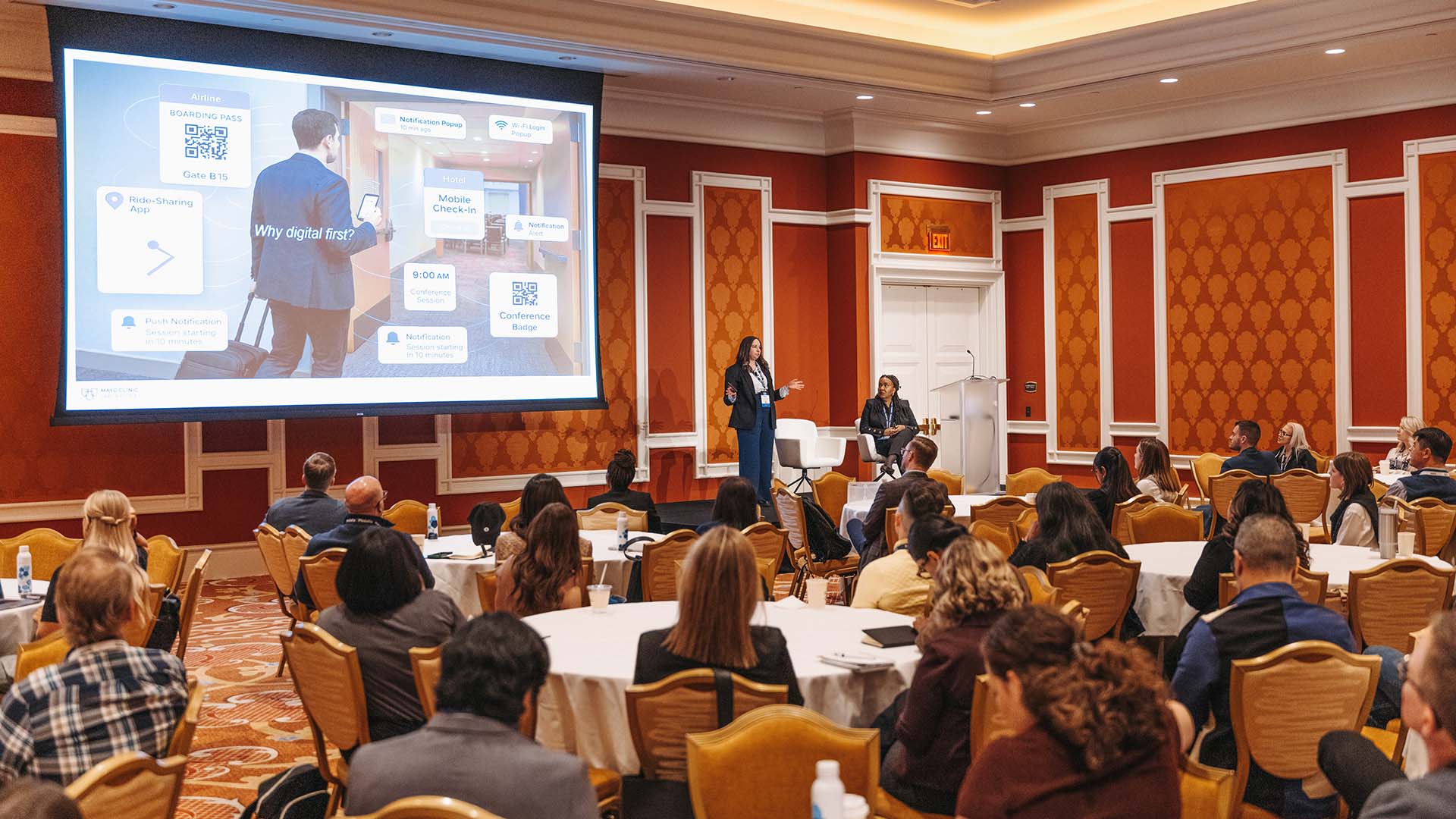
So now that you have a sense of who we are and who we serve, I wanna pause and ground us in one simple truth. We live in a digital world. If [00:09:00] you think about all the digital touch points that it took for you to get into this room today, you might have started by booking your flight on a website. Then you checked in on your phone.
Maybe when you arrived, you used a ride sharing app. You might have also gotten that email from the win to, Hey, download the WIN app to guide your experience. And it’s very likely that this morning you opened up the Medallia app to help you choose your sessions and navigate the hotel. Our clients are really no different.
Their expectations are being shaped by the world’s best digital brands like Google, Amazon, apple, and not just by our direct competitors in esoteric reference laboratories. So for Mayo Clinic Laboratories going digital first was not optional. It was necessary to meet our clients where they already are and where their expectations are already living.
When we joined, uh, MCL leadership already understood the shift, and that’s why our CX team sits [00:10:00] directly under the digital experience arm of the organization. They knew we needed a more modern, real-time way to listen. With that executive sponsorship in place, our first step was to build relationships internally to understand who touched the digital experience and how decisions were actually being made.
We’ve all seen the org charts when we get to an organization, but you know that someone might have a title. Then there’s other people who are actually making the changes happen and making the decisions. Right. So that was a big part of what Danny and I started to do, uh, when we first got to MCL is understand, um, not only the explicit organizational chart, but also those implicit relationships and the dynamics between the different teams.
So we connected with field services, sales, the contact center, IT education, and of course our digital product managers. And once we had that ecosystem mapped out, we invited the right cross-functional [00:11:00] partners into our weekly strategy and build sessions with Medallia. These weren’t just project meetings for us either.
They were really culture building moments for us to start to weave in a culture of client centricity into our organization. Together we aligned on survey design, digital triggers, and governance. We trained teams on how to access and interpret Medallia signals. We emphasized an open book self-service approach, so insights could flow freely across the organization.
And that combination of executive sponsorship, internal relationship building, meeting with Medallia experts, and of course taking any opportunity we had to infuse a culture of client centricity is what allowed us to stand our digital listening program up quickly and sustainably. With that foundation in place, we moved into activation.
Beginning with the heart of our digital ecosystem, Mayo Clinic labs.com. So today our site, when you go to it, you’ll see on pretty [00:12:00] much every page on the bottom right corner of the screen, you’ll see the little blue feedback button, and that’s our always on feedback that lets users share insights anytime that they feel motivated.
We also have just a general intercept survey that prompts a portion of users in the moment to tell us how we’re doing. We have six embedded product specific surveys, each co-designed with our digital product managers to capture feedback where it matters most for those specific products. Behind the scenes, we have Medallia’s Digital Experience Analytics, or DXA, which is continuously collecting behavioral signals, revealing friction, confusion, and patterns that surveys alone cannot capture.
Together these eight listening posts form our digital first engine paired with. DXA running behind the scenes. And this engine has already given us clarity on who is using the site, what they’re trying to accomplish, and where their journeys are breaking down. So we’ll walk you through [00:13:00] a few of those discoveries, including the story of Olivia, a specimen site processor, who represents a common high user group, and how listening to and observing the behaviors of Olivia and those similar to her, helped us identify and prioritize real improvement.
One of the first major insights our digital survey surfaced was around what Danielle had mentioned regarding this audience analysis, who is coming to our website and why For the first time, we asked users directly about their role and their purpose for visiting, and once we collected enough volume, Medallia’s Professional Services team partnered with us to analyze patterns and themes, and here’s what we’ve learned so far.
20% of users were initially selecting the other option for this survey when asked about their purpose for visit for visiting. Now, since I’m in a room with a lot of other survey nerds, 20% of users selecting the other is a good indication that we [00:14:00] should dig a little deeper to make sure we’re asking the right, you know, other multiple choice options.
When we did dig deeper, we found out that this group was also the group most likely to abandon and not complete their purpose for their task. And then when we dug into their open comments, we discovered something surprising. Over half of these other users were actually searching for education and training.
And initially we didn’t even have that as an option on our survey. This was a blind spot that we simply couldn’t see before, and this is where users like Olivia come in, the specimen processor who needs both a dangerous goods training and certification so they can handle the precious cargo of patient samples.
And this user also needs fast access to test information in a test catalog. To ensure accurate specimen handling, proper container selection, and precise identification of requirements. These jobs are highly technical. They require ongoing [00:15:00] education, certification, and time sensitive access to test information, and all of this content is available to them and sitting@mayocliniclabs.com.
So it’s really our job to help. Those users find that information quickly and efficiently with the least amount of friction possible so they can get on with their workday and continue their workflow. Olivia helped us understand that training resources and test information were too hard to find, and this group of users represented a significant portion of our traffic.
That insight alone, uh, has been reshaping our roadmap. Another example of how digital first listening has reshaped our understanding of users’ needs is site search. Through always on feedback intercept surveys, uh, those product specific embedded surveys I mentioned and DXA patterns, we consistently saw users struggling to find information they knew should be there.
And Olivia, that [00:16:00] specimen processor who’s a real person not generated by ai, we’ve spoken to her, she captured this perfectly in her own words, she told us, I searched for a test code that I know is HAD. I typed in HID in the test catalog box and hit enter, and it gave me an error, like the test does not exist for me.
The search function should always work by typing in a test code. That comment reflects a much broader pattern we saw across thousands of sessions. Users weren’t confused about what they needed. They were frustrated that our digital trolls weren’t matching their expectations. Medallia helped us to see this from two complimentary angles, what users said, direct comments about failed searches, missing results, or unexpected errors, and what users did DXA showed repeated searches, dead ends, and high abandonment when search didn’t behave the way users expected.
So with those signals, we were able to work closely with our digital product managers and [00:17:00] UX designers to refine synonyms, adjust search behavior, and start prioritizing improvements that directly respond to what Olivia and so many others were telling us. And here are the improvements our digital experience team made to site search based on the insights we collected with the Medallia Experience Cloud.
So you see, a user now goes to the site search product. They type in HAD.
And right there is the top is the test that they’re looking for. And through collaboration with our UX designers, we also updated this page so that a user could even now filter by test algorithm, article form, or to find out if a test was obsolete. So we’ve been continuously trying to make it easier and easier, less response effort for all of our users so they can find the information that they need quickly.
One of the most powerful aspects of a digital first listening approach is that it helps us [00:18:00] understand why users are struggling, not just that they are struggling. A great example of this came from the term IATA, and Danny mentioned how prior to this role she worked in patient experience in healthcare systems, and I come from process improvement in academic medicine and healthcare systems.
So we didn’t really know what IETA stood for in in the context of esoteric reference labs. And unless you’re currently working in a high reliability organization, chances are. IATA means nothing to you. And we noticed that IATA was showing up repeatedly in our open-ended comments. Users mentioned they were searching for the IATA certification or the IATA training, which gave us a clue that we should probably reach out to our education team to figure out what this is all about.
And they were just telling us over and over, they can’t find it anywhere on the site. So we partnered with that education team and we uncovered the root of the disconnect. [00:19:00] The course that they’re looking for does exist, but on our website it was labeled as the dangerous goods training, and there was no mention of IETA in the title of any of the links or on the pages.
It is there, but it’s like in the, you know, the little fine print and our users. We don’t, they don’t have time to read the fine print. Right? And we also turn to DXA to understand what users were actually doing. The session patterns told a consistent story. People would search for IATA, get unclear results, scroll, scroll, again, hesitate, and then eventually abandon.
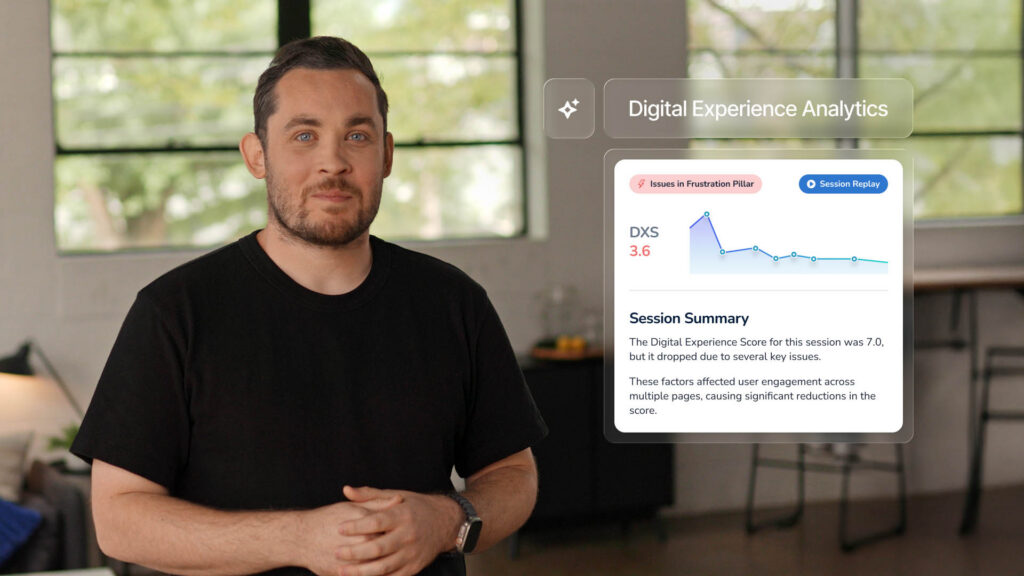
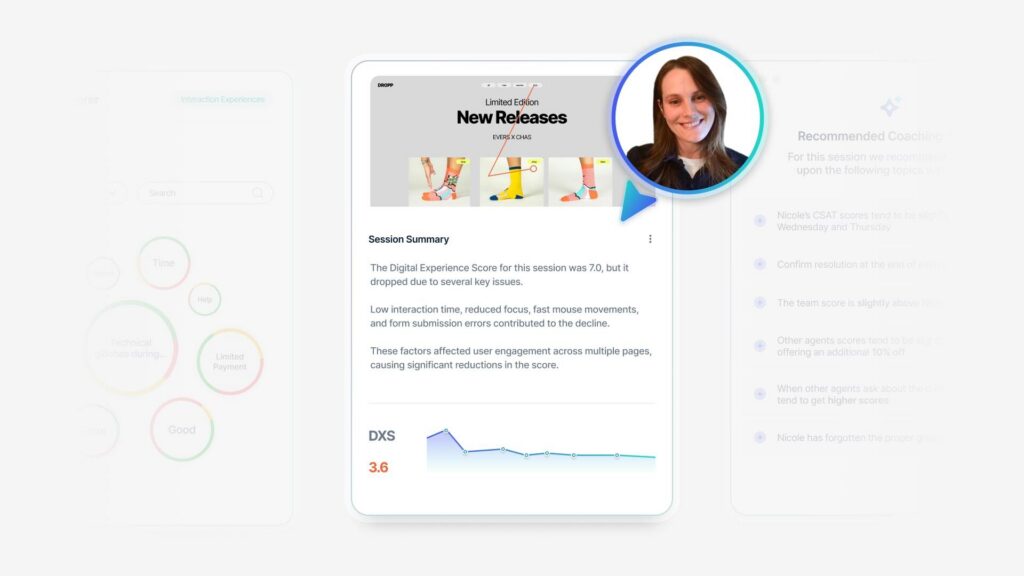
This wasn’t a content problem because like I said, the content is there. It was a labeling and mental model mismatch problem. Something you can only diagnose when you pair feedback with behavior. So this is a video clip of session replay within digital experience analytics, and this is one example of how we’ve been leveraging that tool.[00:20:00]
We see a real user scrolling, trying to find the IETA certification. They go into search, they type in IETA,
they quickly hover over dangerous goods, and then they scroll right past it. What’s another great feature about DXA is getting to see where the user’s cursor is moving on the screen so you can capture that birds nesting signals of frustration, et cetera. So again, you see that it hovered over the dangerous goods training and then it scrolled, they scrolled right past it, and that’s an actual user.
So when we step back and look at everything that we’ve learned so far, there are three big themes that have been emerging for us. One, clarifying who our users really are and what they’re trying to accomplish. Our listening program surfaced a hidden segment of education and training seekers, something that we simply couldn’t see before.
Two, improving site search based on real experience signals. Feedback [00:21:00] paired with DXA showed us exactly where search was failing users like Olivia and where terminology wasn’t aligned with their expectations. And three, using behavioral insights to reveal deeper friction points. The IATA example demonstrates how digital first tools help us identify not only what users say, but how they behave.
Giving us a more complete understanding of where their journeys are breaking down. These insights have already shaped our roadmap, strengthened cross-functional partnerships, and shown our organization the real value of digital First, omnichannel listening, and importantly, as Danny had mentioned, this is just the beginning for us.
So now I’m gonna hand it back to Danny so she can let you know a little more about where we’re going next.
Danielle Withers: A few minutes ago, we looked at how we started this journey. Essentially, it was an end of zero. It was anecdotal information coming in from sales folks, service folks, but we just didn’t have the data that we needed.
We had almost no [00:22:00] continuous feedback, no clear understanding of who was coming to our site, no consistent data to guide critical decisions that needed to be made by leadership. It was a moment where we really realized it’s how limited our visibility was. So now with the help of our external partner, Medallia, and a number of internal stakeholders, our digital first listening program has completely transformed that landscape through always on.
Intercept and embedded listening. We’re now receiving a tremendous amount of real time data directly from the people using our digital tools. What used to be anecdotal guesswork is now rooted in rich high quality signals. We’re hearing from thousands of users. We know their roles. Their purpose of visiting and the barriers and pain points they encounter.
And we also know more about their delights ’cause it’s not always about the bad stuff and what’s making their lives easier. This shift allows us to [00:23:00] understand intent and not just behavior instead of periodic delayed insights. We’re getting meaningful in the moment. Feedback that we can act on immediately.
It’s a complete evolution from we think to, we know. So when you think about the past to the present and this slide together, it really tells the story clearly. We’ve gone from silence to a true digital listening engine. So this slide just shows a few stats from when we launched this, and it was about around April, 2024, like Allie told you about the different surveys.
We have total about eight 15,000 completed surveys out of that 38%. Leave us a comment. Our NPS score averages around seven four to 7.8 digital satisfaction score. 93% of our visitors were able to complete the purpose of their visit. 58% of visitors self-report as lab staff, so that way we know we need [00:24:00] to develop a personalized journey for this lab staff.
Most common reason to visit is to browse and find information. Before this work standing up this program, we didn’t know any of this. We were guessing. So we’ve talked to you about the PA past, we’ve talked to you about the present, and so what do we wanna do next? So, two ways. I wanna break this down strategically.
Where do we wanna go next? And operationally. So we wanna continue becoming an omnichannel listening engine. We’re evolving beyond. Single channel feedback to a system that captures insights across web, digital tools, educational resources, and service interactions. This shift allows us to see the full client journey, not just the isolated moments, so we can understand intent, we can understand the pain points, and we can understand the opportunities holistically.
Ultimately, we want leaders at our organization to rely on a unified view of client experience rather than fragmented data sources. We really wanna be the best [00:25:00] of the best. Allie talked about who we’re competing against these, the Amazons and the Googles of the world. This means setting up standards of response, speed, data quality, and how effectively we translate insights into action.
Best of the best reinforces our core mission, helping patients get the diagnosis they need by equipping teams with smarter, faster, and clear information. Where do we wanna go next? Operationally, it’s really a continuous data cleanup. As more data flows into our system, maintaining accuracy becomes essential.
Removing duplicates, standardizing fields, refining tags, improves the reliability of every insight. Ongoing cleanup, insurers that leaders have trustworthy data. For decision making and prevents the noise from clouding true patterns. We wanna believe it or not, even though we have the five and we feel so fortunate to be able to have five team members, we still wanna grow our team because that means we’re being valued and the work is [00:26:00] there.
So we really do feel like we need to CX analysts, we’ve got. All this great data coming in, and we really need somebody that day in and day out. They are studying this and not being so reactive. But we could be more proactive, text analytics, better leveraging the topics and themes By expanding our text analytics capabilities, we can more accurately identify patterns and open-ended.
Feedback, surfacing emerging issues early and prioritize improvements, dissemination, and operationalizing the digital tools. We’re moving from. We have data to the organization uses this data every day. This involves training teams and embedding digital tools in the workflows and making insights easily accessible.
A consistent digital insights report for our key leaders. This is really rich, great data. We don’t want it just sitting out in cyberspace somewhere. Providing regular standardized reporting ensures leaders stay aligned on what our clients are telling us. So as Allie and I wrap up today, if, if you [00:27:00] don’t take everything with you, maybe a few of these key takeaways you could take back to your workplaces and apply immediately.
We’re building a digital first omnichannel listening engine. We put the right team and structure in place, and that’s truly enabled us to move into this important digital first space with purpose and clarity. We were fortunate to have buy-in from the beginning, and we really do appreciate the fact that we were fortunate to have that, but we’ve also worked very hard at relationship building with internal folks to keep the work visible at all levels.
Second, our listening approach is now always on and truly omnichannel. We’re hearing from our clients in ways we simply couldn’t before. It is giving us a much clearer picture of what we need in the moment. Third. We’re already translating these insights into impact. Allie showed you a few examples of that, whether it’s improving site search, understanding who’s coming to our site, or using real data to guide decisions.
We’re seeing meaningful [00:28:00] momentum, and finally. Again, we say this is really just the beginning. We are still very early in our journey here with Digital First. The next phase is about refining it, scaling and operationalizing everything we’ve built so that digital first insights become part of MCL and how we run every day.
We’re excited for where this work is headed and the impact it will continue to have as we move deeper into our digital first future. I also wanna add and give a shout out to a couple of our Mayo Clinic colleagues. Yeah, you and you. What we did, we didn’t have this in the presentation, but Mayo Clinic Health System was on this journey before we were, and so when we joined, that was one of our, that was one of our things.
We met with them to say, Hey, what were your pitfalls? What do you, you know, how do you advise us? So if you don’t have that in your organization, people that are already doing this work, Medallia is so great at helping you network with other organizations that can [00:29:00] help you with your journey. Don’t hesitate to reach out to them to see how they can, you know, combine you with somebody else.
So, that’s our story. We’re sticking with it.
Alison Szarko: Any comments we’re always
Danielle Withers: wanting to learn too, since we’re still early on or questions.
Audience Question 1: Danielle, I know you’ve shared quite a bit about the importance of rebuilding and relationship and culture, right. And connecting to purpose. How have you used these insights in the way that you are helping to rebrand, rebuild, and grow the CX org at MCL?
Danielle Withers: Well, I mean, we we’re still on that journey to, uh, Allie and I are, um. Doing a really great job at, uh, connecting the dots and getting, uh, into meetings on a regular basis with departments. Um, I talked to and I was in a, a mug presentation yesterday and I was encouraging people, you know, to make sure that you get.
Into, uh, these monthly [00:30:00] p meetings of these, uh, various departments throughout the organization to even just educate on what CX is. Uh, we had to do that and we’re still doing that. Um, we’ve had to tell people, yes, we’re a team of five, but it’s really a all hands on deck situation. The clients belong to all of us.
So we’ve done a proactive job at, uh, kind of knocking and banging on people’s doors to get out there and share some of these examples and these wins that we’re finding from the data that’s coming in. We’re not shy about that and uh, we feel like that’s what needs to be done so people, uh, continue to connect the dots of what we’re doing in CX and making that work visible.
Alison Szarko: We also thank you for that question, Amber. We also, uh, a couple months ago shared with that cross-functional team who was a part of a lot of those working sessions with Medallia, an annual digital insights report. [00:31:00] So we partnered with Medallia’s Professional Services team to help us generate that report.
I see Keith in the room. He was instrumental in that. Thank you. And that was, right now the cadence. It was an annual because we, we didn’t have any data, so we’re like, let’s collect the data for a minute, see what bubbles up, and now we’re exploring if that’s the right. Cadence to keep continuing forward if, if it’s a sweet spot or if we need to make it quarterly, maybe.
And a lot of these presentations we talk about personalizing the CX experience for our clients. Danny and I have also worked hard to personalize the employee experience of our colleagues. So when it comes to our contact center leaders, um. We are constantly, you know, Danny and I, our roles we’re, we eat, breathe, and sleep client experience.
We’re in the Medallia dashboards every single day. We’re looking at the data when we’re [00:32:00] onboarding other departments like our contact center, who’s relatively new to Medallia. We’ve been going on this journey alongside them to help. Help them understand that when you work with Medallia, you can create customized dashboards to help you get the answers that you need for your specific use cases.
So we’re working alongside our contact center team. Prior to that, we worked alongside our digital product managers so that when these different users are logging into the Medallia Experience Cloud, they’re seeing, um, the specific dashboards that are catered for their day-to-day. So that’s also been a way of, and also asking them, um, how, what is your workflow?
Do you prefer to get, you know, information just pushed straight into your inbox? Or would you prefer to do a single sign on platform? Okay, let’s set that up for you, meeting them where they’re at, and customizing and personalizing their workflow [00:33:00] experience as well.
Danielle Withers: We’re strongly encouraging self-service too.
Alison Szarko: Mm-hmm.
Danielle Withers: I mean, yeah, we are. That’s how you and e, you promote the fact that this is about all of us, not just the CX team going to figure out what your story is. We are happy to do kind of, um. You know, some initial training sessions for people because we know it could be intimidating to get in to go into MEC or DXA and and figure all of that out, but we are strongly encouraging.
You go in there. Ally has had to teach me to click the buttons and not be afraid, so I’m encouraging other people to go in there, click the buttons, play a little bit and see what you find out. So we strongly encourage self-service.
Audience Question 2: Hello. Thanks for sharing today. I loved especially hearing about. How you improve the search experience?
Um, I work for shipped, so we do same to delivery for many retailers, and search is something that we definitely want to help support our customers with. [00:34:00] Um, but I’m curious, how did you decide between using your always on survey versus intercepts? Because one of our concerns is conversion and interrupting user experience.
So I’m curious, like Yeah, how, how did you approach it and how did you come to the decision of what the best way to. Ask for feedback is great question. I’ll start and, and, um, Allie can continue.
Danielle Withers: We, we actually, uh, started by looking at Mayo Clinic Enterprise and Health System, kind of see what they were doing and, and we wanted to be con somewhat consistent with them.
And so we wanted to do the always on. That’s pretty much on every one of our pages. But one thing we were very, um. Sure about was we did not want to interrupt the workflow. People going in to pay their bill check for test results. So we had very strict rules about what pages we will not put these surveys on because people do not want their work, uh, interrupted.
That would cause frustration. I think we also looked at some of the most. [00:35:00] Used pages that our users would go into. Like we have something called message center where we kind of, that’s how we correspond with our clients and it’s a very, uh, highly trafficked page. And so we wanted to make sure we had a survey there because we wanted to make sure we knew, understood what the experience was when they went to that page.
How else will we decide?
Alison Szarko: Yeah. I think, um, the, so the, the traffic to the pages was definitely a factor. And site search is on majority of those pages message center as well. The thing about the one thing that I love about the Always on survey is it’s, it’s passive. It’s always there in the background, so it doesn’t really interrupt workflow for that general intercept survey.
Um, we were, as Danny mentioned, very strategic for, um, time sensitive critical pathways. Those ones, we don’t have the general intercept popup. [00:36:00] And then for those product specific embedded surveys like Message Center, we worked with the digital product managers and our UX designers. To make sure that the UI of that embedded survey, that it truly feels embedded to the branding of the website.
So when, and most of our embedded surveys are placed at a strategical point on that page. So for message center, if you scroll, you’re not gonna see the embedded survey, you know, in big, bright colors at the top. It’s, if you scroll all the way down to the end, there’s a simple question. Are you finding what you’re looking for?
Mm-hmm. Yes. No. If they press no, then the survey ex expands. Um, but it’s, it’s woven into the existing, um. Brand of Mayo Clinic Labs as well, which is another great feature of Medallia, is it’s very easy to go in and, and make your survey look like it’s seamlessly a part of your organization. [00:37:00]
Danielle Withers: And then we work with, uh, we have a.
We call it debug, which is a funny name, but it’s a digital product user group at MCL. And they are a group of users, like Olivia is a part of it actually. And they let us know. They’ll tell us that survey shouldn’t be there, you know, you should move it to this. They’re very good at giving us. That feedback.
Um, and like Ali said, we work very closely with our digital product owners ’cause we report into the digital experience area. And so, um, they prioritize what they’re gonna work on next and, and what they want feedback on. So that also helped us make some decisions about what to do. It’s very collaborative effort.
Well, we appreciate you joining us today. We know you had some choices, so thank you so much.