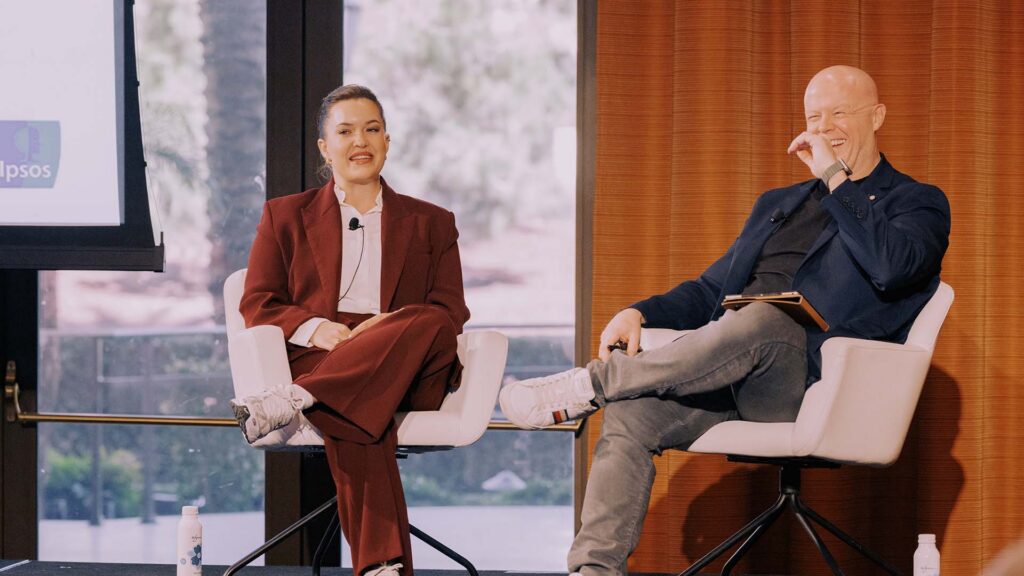
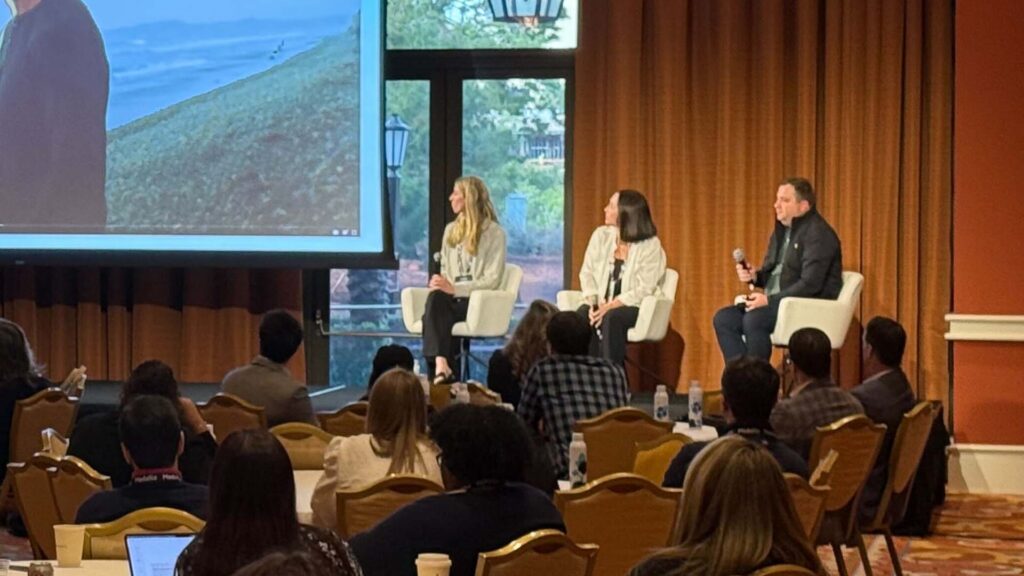
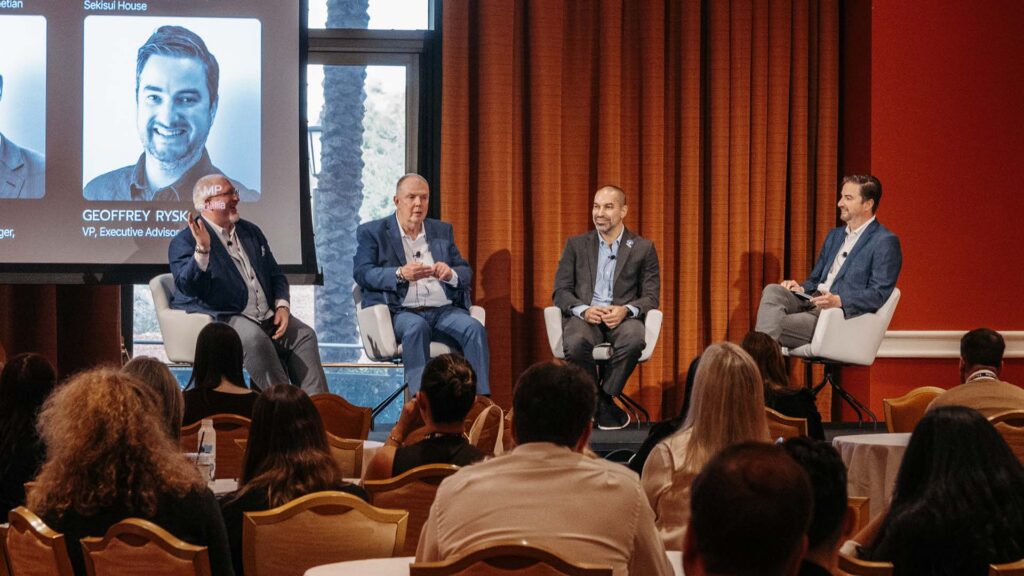
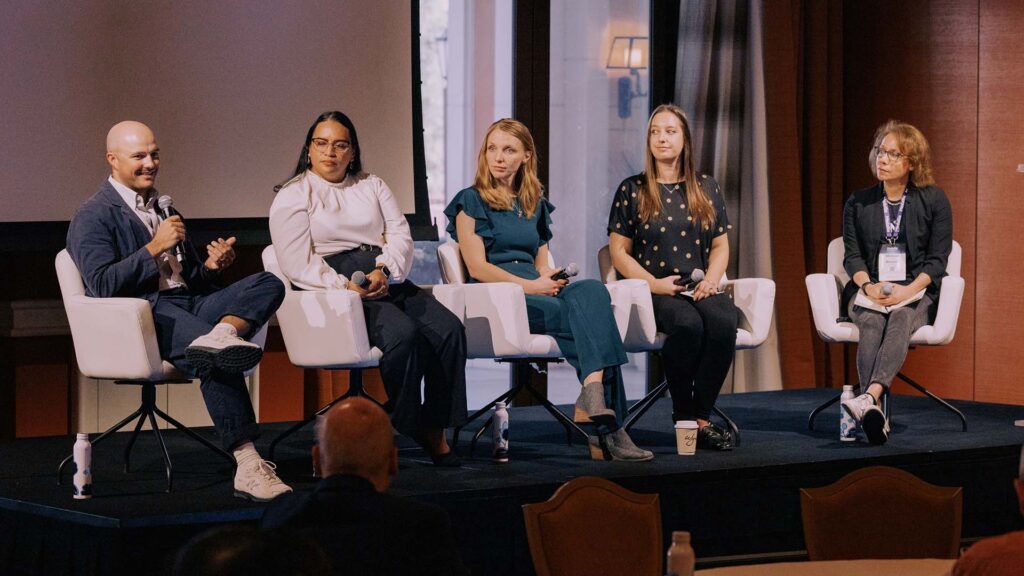
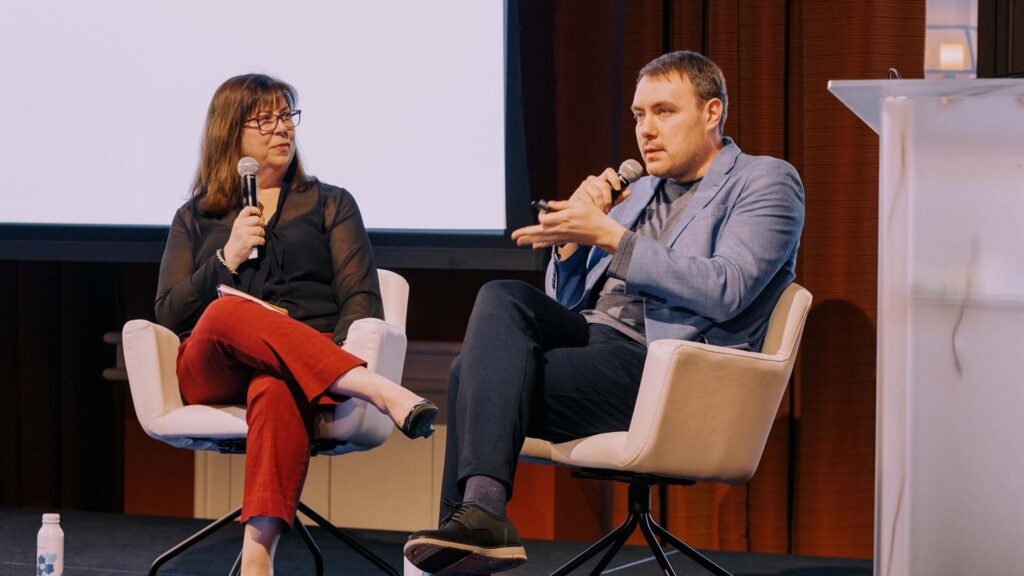
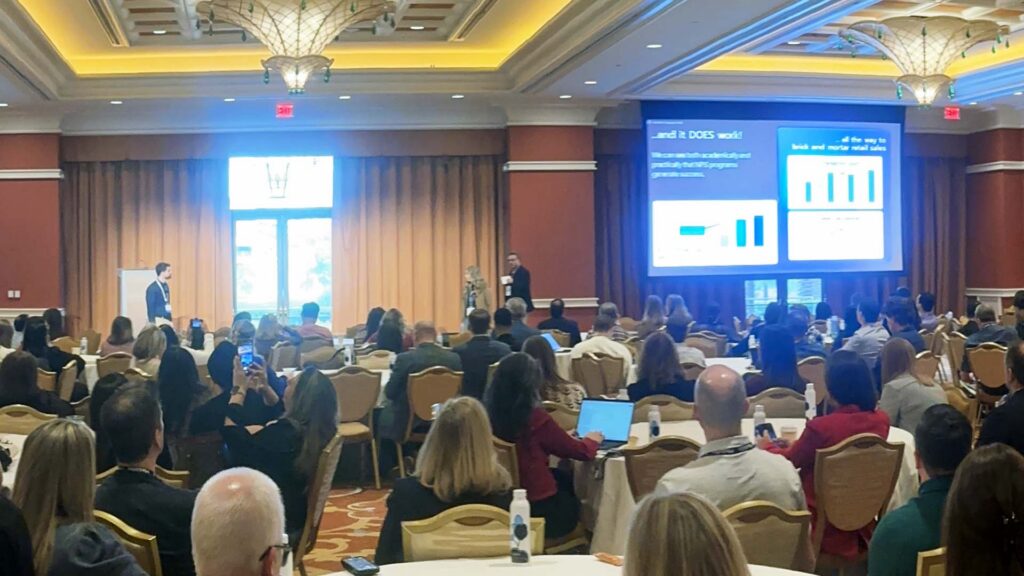
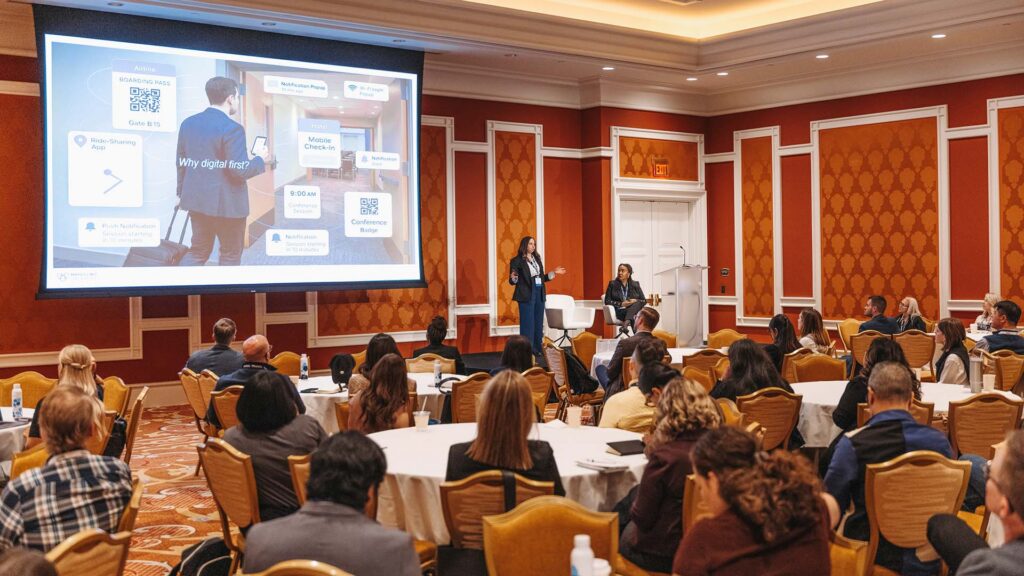
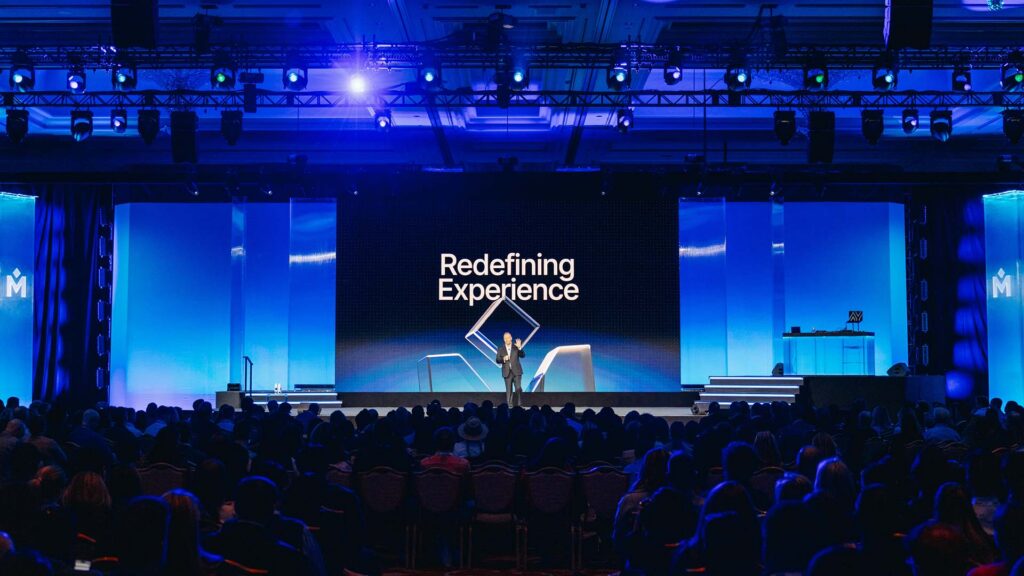
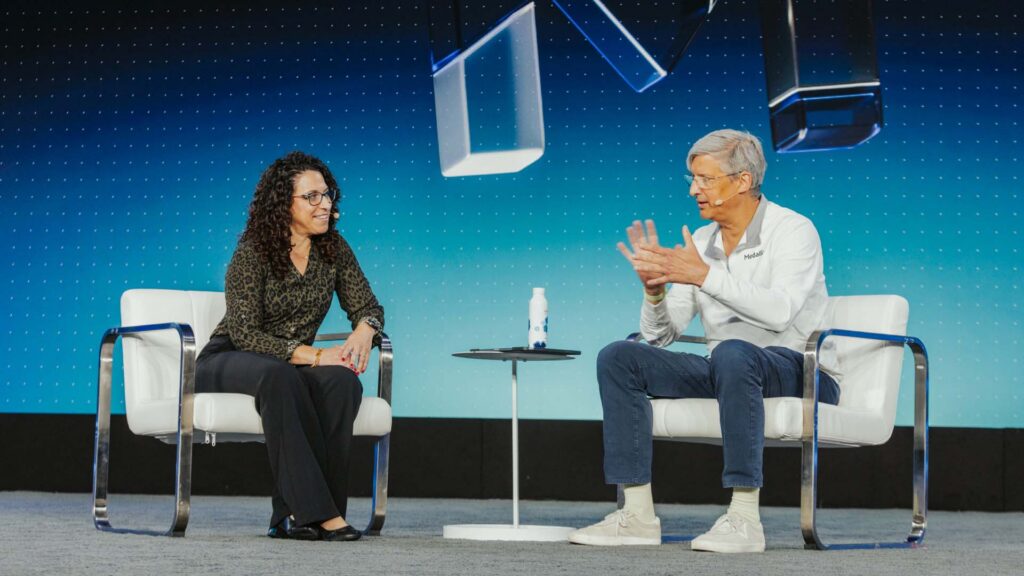
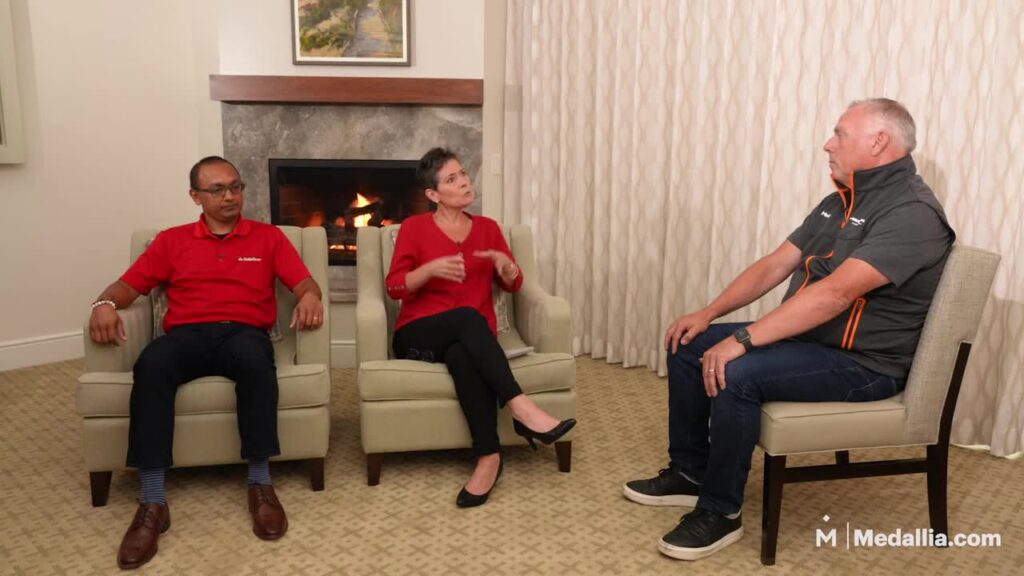
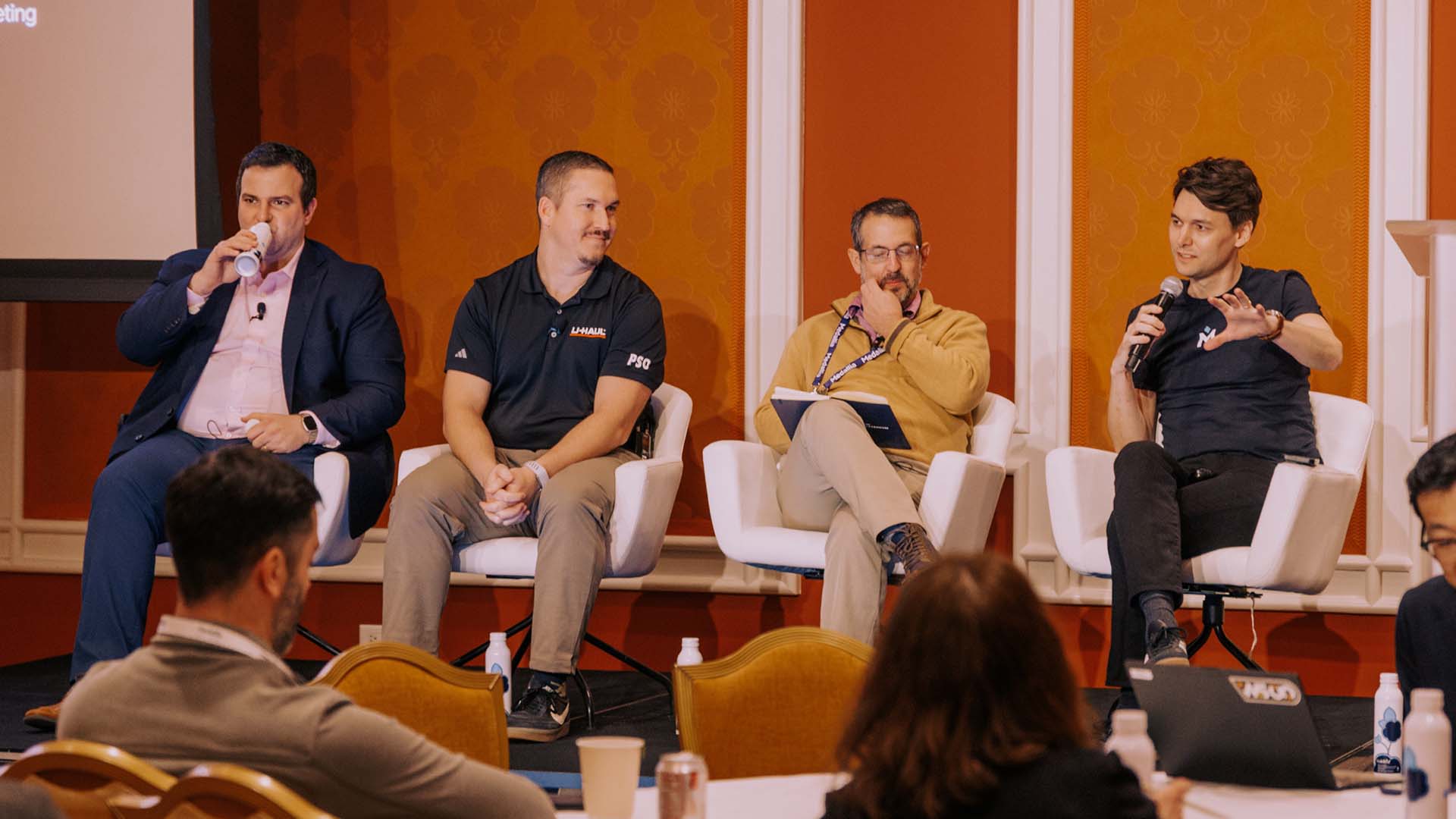
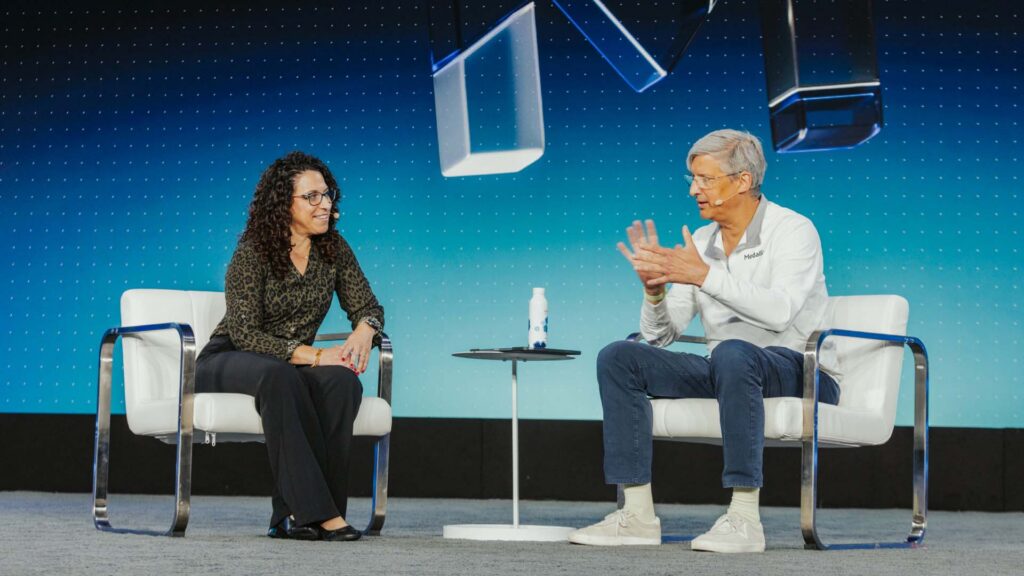
Miles Price: [00:00:00] Everybody, thank you so much for coming to this panel. I think that there’s a very healthy mix in this room of folks on the CX side of the house, as well as contact center. So I wanted to make sure that we covered all of the necessary bases. But, the thing that we wanted to talk about today is bringing together this idea of one journey, one vision between CX and the contact center.
And with everybody in this room, I think that this is a situation that everybody’s very familiar with. You’ve got a customer, maybe they show up on your website or they’re in your retail store or something like that. They fill out a survey and then they also call in to the contact center.
These are two different teams. These are two different philosophies in an organization, sometimes governed by different types of tools, different types of org charts, different types of definitions of success. So what we wanted to do today is bring a wide variety [00:01:00] of folks from the contact center space and the CX space.
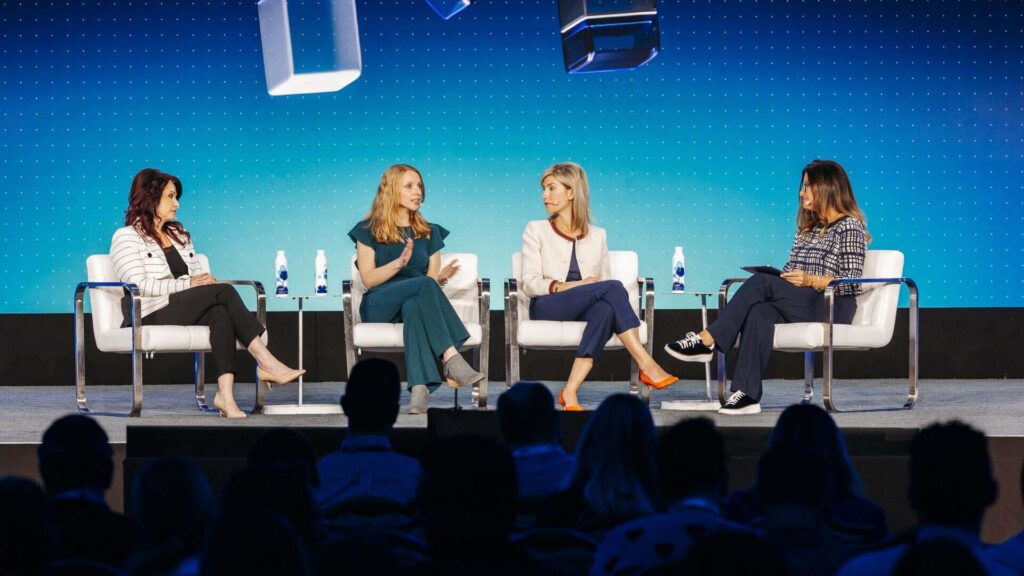
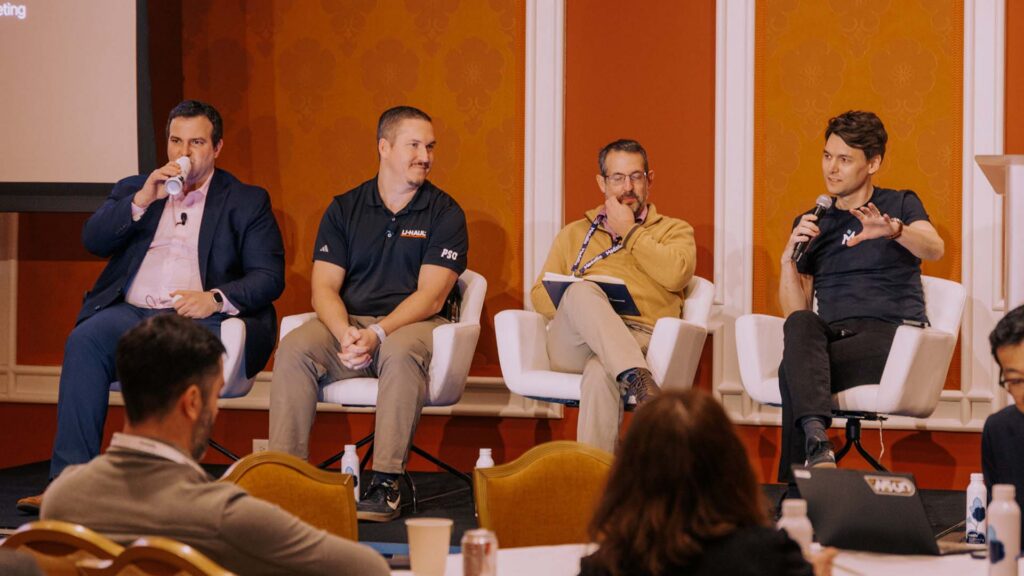
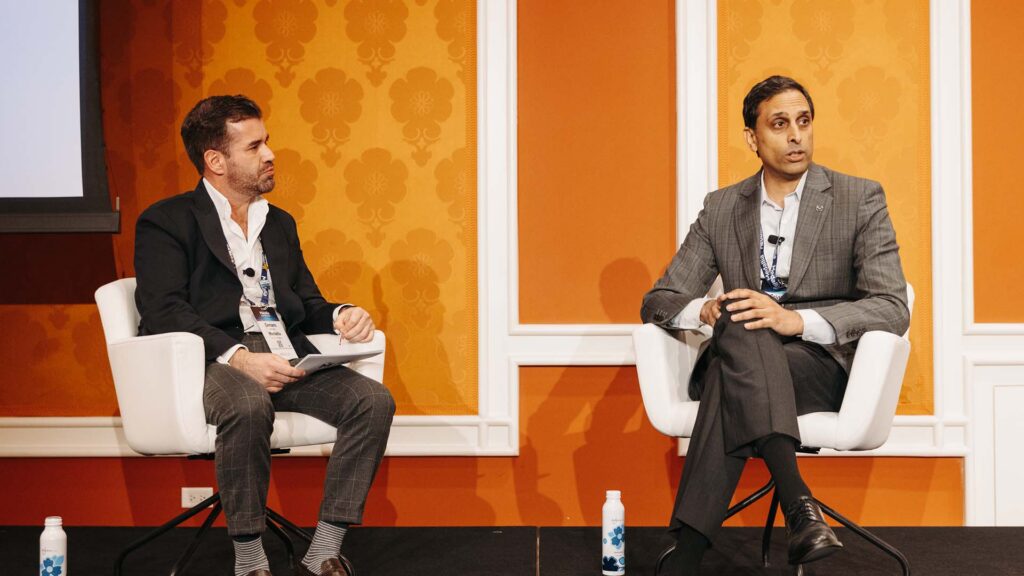
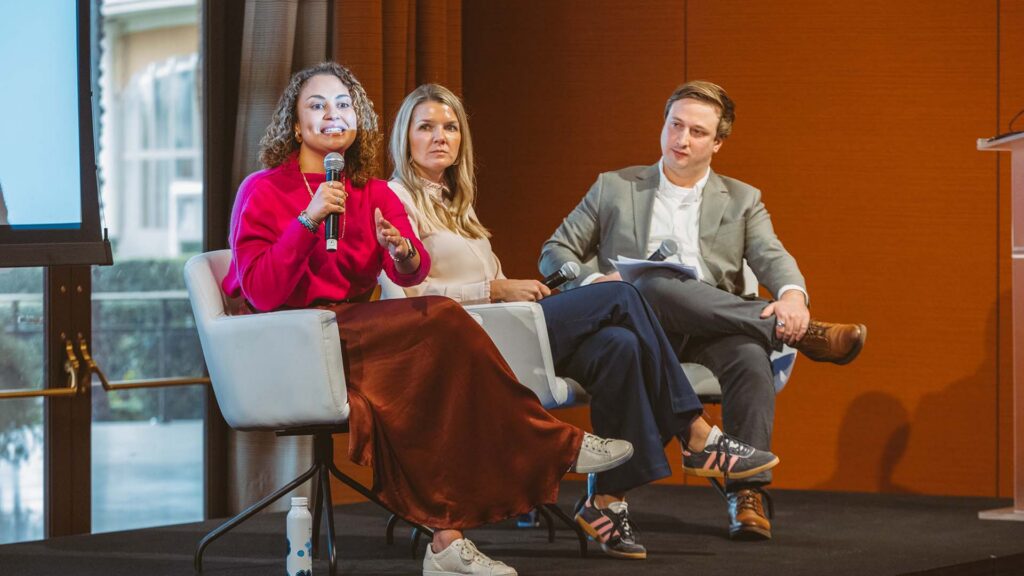
To discuss how they’re approaching it at their organizations, and I’m so excited to have representatives from Advent Health from U-Haul and from Exelon. So very essential types of businesses. You’ve got healthcare moving and utilities and to talk about how they approach these things. With that my, my name is Miles Price.
I’m on the Medallia product marketing team over contact center, but now I’m gonna hand it off to these fine folks to introduce themselves and then we’ll get going.
Tim Frazee: Thanks, miles. Afternoon everybody. My name is Tim Frazee. I lead our access and telephony strategy for Advent Health, which is a fairly large healthcare system that’s spread across nine states.
There’s 110,000 team members. We do roughly 30 million calls on our CCA platform, which is five nine on an annual basis, and we have typically around 7,000 congruent users happening at the same time.
Evan Johnson: Before I introduce myself, who’s used U-Haul products and service before? Show of hands. [00:02:00] Thank you all for being customers.
That’s the interactive portion of today’s event. My name’s Evan Johnson. I’m the vice president over the U-Haul call center. And then I’m also responsible for U-Haul S communication strategy which is our voice engineering and operations team. So the contact center under myself is our sales and reservations and customer service departments.
And all of our agents are proud U-Haul team members, right? And we’re very proud of that. So nice to meet you all
Daniel DeWyngaert: and good afternoon everyone. My name is Daniel De Winger. I am the senior manager of customer experience and analytics at Exelon. Proud to serve 10.5 million customers across Mid-Atlantic and Midwest regions of the United States.
Both from an electric and gas perspective, when I touch base with our various teams, I actually have a small but mighty team of four that directly report to me. But I touch base and work directly with the vast majority of our customer care teams, our customer experience, our analytics teams, our insights teams at Exelon, with the direct focus of how we can make the customer experience [00:03:00] and ultimately the customer journey.
Better for all of our customers, no matter what that moment is, whether it’s a stressful moment of power being out and how we can better serve them, or how we can make the reliability better, how they can make their billing systems better, or ultimately just their day-to-day interactions, if anything in between.
Give them more power to how they can feel, for lack of a better phrase. Empowered.
Miles Price: Awesome. Thank you all so much for being up here. When we start to think about advent Health and U-Haul and Exelon, I may mention that they’re essential types of organizations. These are folks that are looking at customer and consumer experience in, in a really interesting way. So we wanted to approach this panel not as like a best practices, but more of what works when you start to really break down the silos and get everybody on the same page in the organization. So question number one, at your organization, at your company, misalignment is never part of the plan.
It doesn’t start off that way. When that does happen, usually [00:04:00] it can happen through new technology getting brought in, new leadership, new priorities, things like that. So my question to you guys, when did you start to see things a little bit more clearly? When the signals made it clear that something needed to evolve?
Tim Frazee: I would say, healthcare is. Or actually maybe healthcare. CX is really deeply human and deeply operational, and a lot of times those things collide and it creates some friction points within that contact center. So at Advent Health, we really focus on what I would define as Whole Person Care.
So we, we focus on really three key principles, which is easy to access, simply to use, and helps me feel whole. When we think about those things, it’s really about how do we get back to the basics? And roughly five years or so ago, our CEO said, look, you guys need to do a lot of foundational work, which means figure out first and foremost, how to simply answer the phone.
That’s all I need you to do. Answer your chat. Answer the phone and be able to tell me what [00:05:00] we’re doing well and what we’re not doing well. And then once we create that foundational space and we turn the lights on, essentially we can then become innovative. And that’s where we are today. And hopefully we have an opportunity to really talk to you guys a little bit about that innovation.
But for us, we had to figure out where those things were colliding. And one of the things that really stood out was we just did a really bad job. At opening that front door into our healthcare system, which is, the largest venue for us.
Evan Johnson: Yeah. On the slide, you see the word first. And with my experience and our experience at U-Haul, I like to think of it as a continuous opportunity.
Like many of your companies, I’m sure you’re innovating and evolving. And that’s the same with U-Haul. Shameless plug, we had a recent new product, the th the Toy Hauler. So I think. I’m sure some of you are weekend warriors, and so that product allows you to tow ATVs or a variety of other equipment.
And so with that as an example, you see a new product come to market and there are of course knowns and [00:06:00] unknowns as far as what opportunities may exist or why interactions may happen. And so there wasn’t necessarily a first, I would give two examples in this digital age, self-service is.
Crucial. Again, many of your companies, I’m sure are focused on it as are we. A few years ago, we completely revamped the U-Haul app, our mobile application, to help make moving easier, and so we had identified. Whether it be frictions or pain points or whatever you want to consider the opportunity and try to direct as an organizational strategy around a simple concept of making moving easier, right?
And so we’re trying to, as a contact center, help and give counsel to our programs and our business units so that we can offer better personalization to you, right? You all raised your hands, or most of you as our customers, but also, again, back to our core concept of making moving easier. The other example as we talk about [00:07:00] opportunities more tangible, more practical, is from a contact center perspective.
We saw that maybe Daniel would go on U-Haul dot com, he would make a reservation for a moving truck, and then maybe it was same day, next day, some amount of time leading up to his rental he would call the contact center. And it wasn’t to change anything. It wasn’t to ask questions. It was purely to confirm that his reservation and that rental would be ready.
And so we saw that. I’ll talk a little bit more about that as we go through these other questions, but at the end of the day, I think you can all relate that moving is stressful, right? It’s one of the top three most stressful things you will do in your lifetime. And so our goal is to recognize those opportunities and then try to create a seamless, frictionless moving experience for each of you.
Daniel DeWyngaert: I think I, I definitely agree that it’s not one chance that we got to see what was the opportunity to better connect. It was multiple over [00:08:00] time and then not one big bang. But really the, when we look at all the various different good opportunities we’ve had to implement, our mobile app, which continues to be our fastest growing channel, to actually execute and give customers the opportunity to engage with us.
The website that we continue to iterate on and the great training and care we give to also our customer care teams. But likewise, there was surveys at each point that we were doing feedback at each point where we were hearing where certain interactions were taking place. It wasn’t really connecting the full picture.
It was a chapter in story not the full book. And this really was the opportunity to say, okay, how can we actually engage with each of these different pieces and bring them together? And I’ll talk a little bit more, a little bit later about, what we look at this room journey perspective.
But one great example of this is, we are so focused on the affordability of our customers. Just recently, we were able to launch multiple waves of working with United Way, a credit to go to our customers that are most in [00:09:00] need, making sure that at every step of the way that we could hear the feedback from this customers, at what point they were engaging with us, and where they were accessing the information, and making sure we were able to connect that story across every single channel.
But also the same way, make sure that the story was being told from the customer. If you heard. In the care center, the information you were hearing that in the same spot in the website and making sure that was accessible at every point of the way, and that was really most recent example that we think about when we were looking at this from what is that clear perspective, being able to connect that journey for the customers and tell that story, whether that’s through conversation, analytics, feedback that we have through Medallia.
Continuing to work in also the voice of the employee feedback. Those pieces are everything that we really look to continue iterating about what this means to see what that journey is. Clearly,
Miles Price: we were talking earlier, the first step in solving any problem is recognizing that you have one.
And once you start to see those gaps. That’s when the real work starts to come [00:10:00] in. And that’s when you’re starting to think about like how to align your teams and more specifically, how are you aligning folks that don’t necessarily report to you. And alignment is one of those things where we’re all on the same page with, we all agree with it, but operationally that can be a bit of a struggle sometimes.
So what actually helped U-Haul take that alignment con concept and shape the day-to-day, kinda going beyond company vision slides and more of a strategy standpoint, but more of a practical how people work together.
Evan Johnson: Yeah, great question. I think there’s a few things. The first that I would highlight and really advertise is being the customer yourself.
And so what does that mean for you Hall? It means going in and making a reservation myself, right? Going into our centers and renting the piece of equipment, returning the piece of equipment, right? Experiencing that full journey myself. And that does a few things, mainly though that. Allows you to firsthand see what your customers are feeling, [00:11:00] experiencing, and where there may be friction or pain points, right?
So that you can gain that credibility and talk firsthand to that with your programs and business units. Second is involving the frontline directly, not just through surveys or not just through some sort of feedback mechanism, but having them in the room, hearing from them directly as far as what they’re hearing, seeing, feeling from customers, giving them a voice at the table to shift and start to make the change actually occur.
And then I would say the third thing, which seems pretty rudimentary, but limit your priorities. There’s only so much that you can chew and tackle at any given point, and so by trying to have one, two, or three key intimate focuses, I think that you’re focused then on what matters most. Trying to build some momentum and then having the programs and the teams that you’re supporting actually see and feel those results.
Miles Price: Tim, what about you at Advent?
Tim Frazee: I think [00:12:00] this group of guys up here, we are seeing things very similar just as we’ve had organic conversations over the last couple of months around. How we wanted to come out here and, really spend some time with you guys. The reality is everybody in this room and everybody on this panel are healthcare consumers.
It’s a fact, right? We consume healthcare once a day, once a week, once a month, and in times that we have no desire to be. Consuming healthcare, right? Those are very stressful times for every single one of us. So when we think about KPIs in the contact center now, we don’t really think about your traditional contact center KPIs.
Yes, abandonment rate and stuff like that is really important. The average speed to answer is important, but we start to think about putting ourselves in the consumer’s shoes and what’s important to them versus what’s important to us, the business. We found that to be tremendous, right? I’ll talk about this a little bit later, but.
From an organizational standpoint and the contact center standpoint, what’s a differentiator for us is my reporting structure is the, to the chief brand [00:13:00] and consumer officer for the organization straight to the CEO. So we don’t have to have those conversations where we are navigating. The medical group or CFOs or the day-to-day operators, we are really thinking about the consumer in every single aspect of the journey.
And that really starts at that context era in those digital panels, whether it be through chat or the digital website and things along those lines.
Miles Price: I just wanna point out how unique and special that is to have the Department of Customer Care roll up into the brand because the brand is showing up where every single person, like how does every single person feel when they interact with you and.
To me that makes the most sense. But not all organizations are like that clearly. Daniel, how about you?
Daniel DeWyngaert: Yeah. To really tie it off and I think again we really are thinking about this very similarly and to that effect where we are thinking about how we engage with our customers, and especially how we view this concept of the view, the vision through the customer.
How many [00:14:00] folks have heard of the Golden Rule, for example, right? Do unto others as you want, to be done to yourself. How many folks have heard of the Platinum Rule? Because I told Julia, so it’s a little bit different. But it’s the same concept, this actual direct concept of treat others like you think they wanna be treated.
Stepping into that shoe of the customer and say, where is that actual journey taking place? It’s not from the business’s perspective. No one from a customer’s perspective calls in and says, I want to talk to B Gee’s billing department today, or I’m gonna talk to someone from Come Field Department, or from Pico’s metering team.
No, they say, I’m gonna call or interact with BGE, I’m talk to ComEd. I’ll be working with Pico, I’ll be working with our partners at PHI or Ace Del Marva. Pepco. They don’t see us as our departments. They see us as the journey and that one brand or company that we’re actually interacting with. That day-to-day relationship has to start with what that customer’s view is of what the journey [00:15:00] is.
This is why even to this point, we actually just recently launched a different metric to look at this journey perspective, and we’re getting started in really digging into it. This journey effort score that takes away the view of necessarily the vertical, which you commonly see effort at, and really looks at it in that horizontal of looking at what is that actual common customer journey.
What’s that billing journey? What’s that? I’m starting service Journey. What’s that? I have an unexpected outage journey and taking that concept all the way across so that we look at it, how the customer sees it, and not necessarily just how we typically saw before
Miles Price: you got a room full of CX and contact center experts in here.
Go. Go a little bit deeper and define Journey Effort Score versus customer effort score.
Daniel DeWyngaert: Yeah. In fact, when you look at what customer effort score was originally defined as you talked to Gartner about this, they might say the same thing. That originally customer effort score was meant to be a journey effort score.
It was meant to be tied into what that [00:16:00] customer’s effort for that journey was. Where it’s really evolved since it was, more or less come to popularity. Is, it’s really turned into a transactional effort score. How was your, effort with the call that you experienced, how was the effort of your engagement online?
Lost a little bit of that step with what was actually engaged with the journey, depending on where you’re engaging that customer. This is really to bring that back to that full focus of where you might’ve missed some of that information to really give that layer of, okay, you, yeah, you talked to the care center, you engaged with us online.
Why did that happen? What is actually the start of your journey? What was actually the reason you actually went down this journey path with us? And one that often got lost along the way that we found with customer effort was what was the communication like throughout that journey? How did you feel like you were being talked to?
How were you? Did you feel like you were had, again, going back to that empowerment as a customer, did you feel like you were in a black box, that you had unclear understanding of where you were? Or did you feel like every step of the way you knew where you were? So for example, we [00:17:00] have an outage tracker.
That we’ve built out at our utilities, and with that we have the ability to give that power in the customer’s hand, that ability to look at that time and place when they wanna see it. The information about that we’re updating for their outage if they have an unplanned out, which again, another stressful environment.
Where you can take a look and see where that outage sits, what’s that estimated time restore, and not be waiting on maybe necessarily just a notification from us, but being able to actually click on that link, go to a portal, see what that information is.
Miles Price: That’s awesome. The alignment, the putting yourself in the customer’s shoes.
This is all a concept that’s creating more listening and sometimes what you hear is gonna change how you approach things. Which is a great segue into our next question where almost every transformation has a moment where something’s gonna click. So for you guys, what did you learn when you were listening, when you had these new concepts of putting yourself in the customer’s shoes and.
That fundamentally changed where you were focused or where you were invested,
Daniel DeWyngaert: right? Absolutely. I, [00:18:00] and really this comes back to where we are communicating with our customer, right? That is ultimately will, we have found time and time again, and I’ve actually even heard this, and I’m very happy to hear this from some of the other sessions that I’ve attended or earlier this week.
So that in time and time again is so important for our customers because at the end of the day, oftentimes they’re reaching out, especially to a utility customer. The same conversation with the Advent Health perspective. Not if they’re reaching out to us, it’s oftentimes not a positive situation that they’re dealing with.
But how can we make that as smooth as possible when an unexpected situation occurs so that again, they feel powered to know what’s going on, that the information that they have is accurate and when it’s gonna get resolved for them, so that they can go about their day because they have plenty of other things to be worrying about.
Just something that came up along the way that was unexpected Bump in their road for their journey. So that plus, I would just say the only other thing I would add to this beyond communication is that there’s no one spot to say so much that [00:19:00] we learned from conversation analytics, or we only learned from the feedback that we had voice.
Our customer has evolved. That’s the other big thing that we’ve learned is the voice of customer is no longer just feedback. It’s no longer just speech analytics. It’s everything. It’s what they did along the journey. It’s the feedback we got from the surveys in the digital space, the journey effort score that we’re launching, the contact center surveys that we have out there, but also speech analytics.
Most importantly tie in that behavioral information, that organizational information, that data behind the scenes, to really tie those customers who don’t necessarily respond to a survey, that don’t give you that feedback, that don’t always have the clear cut information because they don’t always reach out.
And how can you make that experience better? So tying all those different pieces together is what became also so important to tie in every single aspect of the journey, not just one single piece of feedback.
Evan Johnson: I’ll try to. Jog your memory on the first question, right? And so with U-Haul, as I shared with all of you, we had the situation where customers were.
Making a reservation on U-Haul dot com [00:20:00] and then calling in, right? Just to give that help and certainty from a live agent. And as we dug in and tried to understand the why behind that, we learned, and then also was acting as the customer. I. Did a rental a few weeks ago. We learned that we just weren’t following as a customer, as a consumer, the normal reservation flow.
And what do I mean by that? So Hyatt’s here today, I think they’re, I’m a big Hyatt fan, so maybe that’ll only earn me some brownie points if they’re in the audience. But, if you think of Hyatt I go online. I make a reservation, I get an email confirmation and maybe an app notification, and then maybe a day or two later I get another email notification or app notification about booking a spa appointment.
And then maybe a few days prior to, do you need a rental car? There’s a different communication that’s happening. Throughout that journey that each of you myself have come to expect Hyatts, one example, Southwest is another. And so with us, what was happening is that we were allowing ourself service options U-Haul dot [00:21:00] com or the U-Haul app to make the reservation, but then to some extent, it was a bit of radio silence up until when you’re supposed to be picking up your equipment.
So we learned very quickly that we weren’t aligned with maybe consumer or customer expectations or what the, again, standard flow, I dunno, maybe some of you have a better way to refer to that, but I just think of it as what’s been ingrained in how we operate and how we interact with. Businesses as customers, and so we’re now fixing that, right?
And trying to offer more help and certainty or pitch and personalize with other products and services that you may need. Some of you may have used our moving help providers, which is Labor Services that. Ease this move for you or your parents, or your children, whoever it may be. As as you’re moving, everything kind of happens on a schedule, right?
Those labor services are gonna be there at 9:00 AM Therefore, I have to have my truck there at or before 9:00 AM. Otherwise, I’m paying [00:22:00] for services that I’m not getting the full value with. And so ultimately, again, back to the reality, moving is stressful. And so anything and everything we can do to make it more cohesive to, to reduce the friction.
And that’s what we learned through our customer reservation examples and why they kept calling the contact center and trying to fix that. But everything happens with due time and it’s a journey, right? It won’t happen overnight.
Miles Price: Tim, how were y’all a person at Advent?
Tim Frazee: I would say, everybody in this room is.
Some form of CX leader. Everybody in this room probably has some form of contact center experience or works with their contact center on a day in and day out basis. I think it’s really important that we understand that those real time insights, not only to the team member that’s facilitating those calls or those chats short term perspective, are just crucial and game changing, but they also give us those leading insights into what we need to do.
Better in the long term. So I think for me, like gone are the [00:23:00] days of just relying on surveys or press Ganey to help us understand where those things like reside. That’s all reactive. How do we start to pull in information to allow our team members to have more proactive and crucial conversations with those consumers at that time for us to have successful conversations.
So we think about how we use AI insights. And speech and text analytics, and we take all that information and we digest it and push it into an overall kind of listening engine perspective, where we’re taking all those signals and helping us make, long-term decisions as well as short-term decisions.
Miles Price: All of these big initiatives, there, there’s like a hype cycle at your organization, there’s clearly gonna be a big push for a lot of these things. How are y’all approaching longevity with this? How do you bring this to your teams and keep them engaged? How do you keep them excited and something that’s gonna last through the initial excitement and like shiny new object perception. So is it through [00:24:00] different types of ownership? Is it through maybe different types of reports throughout the organization that keeps people engaged or other types of results?
Daniel DeWyngaert: The big thing with this is that at the end of the day, this is a conversation that never stops. As the hype cycle is there in the beginning when these things get stood up, this big initiative gets started.
You probably have a great acronym for it, a great name that goes along with it. Might even have some merch that’s walked around in the, with some of the folks in the office. But at the end of the day where this has to be a yes and constantly. Is that these things do get stale because ultimately, a lot of times, and I know again, we have a lot of CX leaders in here, and these teams don’t report to you, especially those that are engaging with customers in different ways, in different parts and how they contribute to the customer journey.
But you like us, we have multiple different CX champion groups, CX leading groups that have different members or organizations or ambassadors across the different parts of the company that are there to help spread that culture. But. One of the big things that I’m sure you guys have also [00:25:00] experienced when you look at this is that every single one of those team members A, doesn’t report to you likely, and B, it’s not their day job, right?
Not yet. It’s not their day job, and there are ultimately coming there as an additional, and so this is the way to really look at this. Again, these folks are there as an and how can we make that a part of this culture for them to exist and how we tie it back to their actual day-to-day job that they engage with us.
How do they in the back office support teams determine the custom experience for those that are engaging on the front end? How do they and the field determine what happens from a customer’s experience that is three months long, four months long, out of those trainings that go to the customer care teams?
Get regularly updated with the appropriate information. Everything that we’re tying back from all these different teams, the marketing teams, the communication teams, all those teams that engage with our customers in a different way, that sometimes it’s very clear, sometimes it’s not. How do we make that a part of their day job?
And [00:26:00] this goes back to the journey effort, score piece that we are working towards, is that accountability down to the actual not vertical, not just putting it on the care center, not just putting it on the digital team to make everything right. That horizontal. Who’s owning the billing journeys? Who’s owning those field journeys?
Who’s owning those start, stop, move journeys? Those that are unplanned outage journeys, those reliability journeys for our customers who gets into those and can see from their perspective how they impact directly that customer experience. And then also from that perspective, change that culture. So like we talked about so many times today and yesterday, how they can clearly see how the customer sees that journey.
Tie that as a continuous loop? No, that has to use a phrase that I was trying to avoid, but closed loop feedback. Constantly going back to folks and giving that information, whether that’s reports, data design, it’s always going to change because new data is always gonna be coming. We’re in an ever evolving space now and customer experience.
So it’s going to be a yes and that’s how it’s gonna have to continue to [00:27:00] be that. Otherwise it will state and it will go stale.
Miles Price: Evan, how about you?
Evan Johnson: Yeah, I’ll try to tie all four questions together, all three questions together. So the first piece would be credibility, right? Do I know my business as a customer equally as well as I know my business as one of the programs serving customers?
The second piece is relational, right? Business relationships inside your organization. Outside your organization. It’s the age old saying who you know, right? And so I think the relational piece of this is absolutely crucial to making it stick and achieving collective success. I won’t do anything by myself.
Our team won’t do anything without each other. I don’t know. We have a saying, I forget where originated, but many hands make for light work, right? And so we’ve used that within the contact center, but that’s just true throughout the organization too. And so if you take those two things, credibility and the relationships.
And then I think a practical tool that we [00:28:00] try to use is call reviews. And so we’ll bring programs together, we’ll bring on our frontline agents and we’ll all sit around the table literally and listen to customer calls and watch the agent’s screen and try to learn and dissect. And it’s not to pick on the agent or to critique the agent.
It’s truly to learn why are the customers reaching out? What needs do they have, where maybe are we missing the mark? And so I think it’s just. Partially just taking initiative. At U-Haul we like to say everything that we do is customer service and ultimately everyone is responsible for customer service.
That’s just not a contact center thing. That’s all the way up to the C-suite, to our front line, to marketing, to our programs. It has to live and breathe in everything that we do. And so I’d share just. Because it happened last week. This was a real life example. We had a call review with our truck trailer and towing group, and so the agents got on.
We listened to a variety of calls, and at the end of that meeting, an agent goes, Hey, if we have five minutes, [00:29:00] I’d like to give a suggestion. And so she talks about how over the last few weeks customers have been calling in based on certain verbiage we use on our rental contract. And the vice president over center operations said, great, show me.
So she pulls up the contract, she talks about the specific line item, and he says, never knew that, would’ve never thought about that. I’ll get it fixed today. And so that’s how quick that it can change. When you do have momentum, you’re using, practical tools to try to drive change.
Miles Price: I love it. Bring us home, Tim.
Tim Frazee: No, I love that Evan. I think that kind of just correlates with what I was gonna say. When you are sitting in the space that all of us are sitting in, sometimes what you can control is small, but what you can influence is infinite, and you have to figure out a way to allow that to happen. So you heard me talk a little bit earlier around how we roll up to our chief [00:30:00] brand officer.
One of the things that she tasked me with several years ago now was figuring out how I can stand up and chair a telephony access committee, which is comprised of managers, directors, and bps that support all the various business channels that you would typically find inside of a healthcare organization.
Px CX Medical Group Revenue Cycle. Radiology operations, the whole gamut. And this group meets twice a month and we really flush out what’s working well, what’s not working, and we bring recommendations directly back to her who then she allows her to have more of that conversation at the C-suite level to say, this is what we need to move and why we need to move it.
This is coming from the experts that do this work for us day in and day out, and if we don’t trust them, then who should we trust? And I think [00:31:00] that has been instrumental in our success. We are now in the space where we get to do all the cool new things, right? We’re, pioneers in the AI space. We are pioneers in the speech and text analytic space.
We have the ability for our team members. To, no longer have to stress out about some of those traditional KPIs, and now have the opportunity to really drive an experience home, because that allows for retention and loyalty to actually happen. And that is really important in not just healthcare, but in any business model that you guys may, be partaking in.
Miles Price: That is awesome. When I, when I. Take a step back and think about not only what these folks have talked about today, but also just, experience in general. There’s such a large technology component to this event, when you take the the perspectives of putting yourself in the customer’s shoes making sure that all of these practices are a part of the company culture, that’s where that can combine with the technology.
Parts of the [00:32:00] technology can do its job. When I think about, the takeaways from this it’s alignment. It’s the, the contact center is not downstream of cx. It is cx and this idea that one voice, it really sticks when the ownership and the listening is built into the operating rhythm of the business.
And at the end of the day, your customers, they don’t see your org chart. They don’t understand that there are silos and that there are different teams and different tools. They just have one perception of your brand. So these guys really proved that makes a huge difference, and especially with the types of businesses that they have.
So with that, Tim, Evan, Dan, thank you all so much. We’ve got q and a portion, so we’ve got a couple of micro runners. So anybody that has questions for the folks up here,
Audience Question 1: just a quick question for Dan. I’m. Specifically wrote down Journey Effort Score three times on my notes here. Being a big fan of Customer Effort score, could you just double click into that and tell me a little bit of what’s gonna differentiate [00:33:00] the two and then from a Medallia product perspective, that interaction effort score that we probably all have in our dashboards.
That’s a lot. So gimme a little more how you’re differentiating the two and what we can take away from it.
Daniel DeWyngaert: Sure. Yeah. Really where I look at it is that view of journey efforts score, I would even say is that top layer, right? Where we have that view of everything going on from start to finish, the impetus of what the journey was.
That Journey Catalyst marketing, something that got, stood up with a, an actual activity. The customer was going down they were starting or stopping their service and viewing that whole conversation start to end and the trigger actually not being. I did something online. I called in the care center.
I, had a field interaction activity that took a place. That’s where you would see probably from our perspective, a lot of those surveys that feed into CES Customer Effort Score today, journey Effort Score is not getting rid of customer Effort score. I think it actually, it’s, it really relies on that to give [00:34:00] the nice color when it flags, maybe something is wrong.
Journey Effort Score is gonna give that clear pathway to what happened along the way. In between those moments where we actually had the opportunity to interact with our customer wherever they did, whether and what the actual experience from how we communicated with them was, and did they get their resolution.
Where that’s, I see the biggest comparison between the two is both are very necessary. A huge fan of customer open score. Still interaction effort is gonna be a little bit different. ’cause obviously that’s a boiled up score from what you have going on in the platform. Whereas journey effort is actually its own survey, right?
Whereas customer effort also its own survey. Two very important things we do, just one is a little bit higher up on the tier one’s a little bit lower for journey effort score. The question quite literally is depending on the interaction, we ask them about how is your effort with your whole from start to finish, start service request, for lack of a better word, right?
Whereas again, customer effort. [00:35:00] What was the effort of your call today? What was your overall effort of engaging with our digital platform today?
Audience Question 2: Have you guys talked a lot about customers calling into your businesses and identifying gaps and maturities and things like that, but what about are the customers at Joel call Right?
And how do you capture their, in sense? Do you have both these screws or what is it guys are GHL, leverage those insights, et cetera, organization?
Tim Frazee: Definitely from a healthcare perspective, we are doing focus groups. That is instrumental for us. We also make sure that we are listening to 110,000 team members that are all consumers of healthcare, and we’re gauging their feedback as well to help us think about what that journey ultimately looks like.
Think about the fact that we are seeing millions and millions of patients. A year and we have the opportunity to sit down and talk with them right then and there during their probably most, trying times. And we get the reality of what we do maybe what we need to work on, both in a contact center space and a, just an overall healthcare space as a whole.[00:36:00]
Evan Johnson: I think there’s also digital intent, right? You can try to evaluate and analyze what’s happening or maybe why you’re not having some of those conversions or feedback. Other big thing we do admittedly, is just look at our competitors, right? Try to stack up how we’re facing against the market in our different products and services and trying to learn what we can do better, different.
And how we can serve more customers at the end of the day.
Daniel DeWyngaert: Yeah. I’ll just continue to use one of my favorite phrases of the day. Yes. And. To what was said. I obviously we’re not a competitive market. With where we sit today, still, we get the opportunity to look at those that are around us, great opportunity to have conversation with what our, folks are doing well, what they’ve seen from their perspective.
But also going back to, you know what was mentioned before we talked about there is that signal that’s behind the scenes where, yeah, you can attribute a little bit also to those that have that interaction and give you that feedback. Those that don’t. Yeah, they’re a little bit of a different type person who’s gonna respond to a survey versus not.
You have that [00:37:00] opportunity to really tie that to conversational analytics, speech analytics, chat analytics, but also just to what they actually did. ’cause at the end of the day, that’s a huge piece of it, is what they actually did and how they actually went about it is gonna tell you a whole lot about what their experience was.
No one wants to go to five different channels. No one wants to go to have seven different interactions. If they have to go to do that and they’re not talking to you, I guarantee you if they did, it wouldn’t be having a good time. But we can at least tie that back to what folks have told us in the past and get that experience.
Miles Price: With that, I think we’re done. Enjoy the rest of experience. Thank you all so much for coming and thanks to the panelists for being a part of this. Thank you so much.