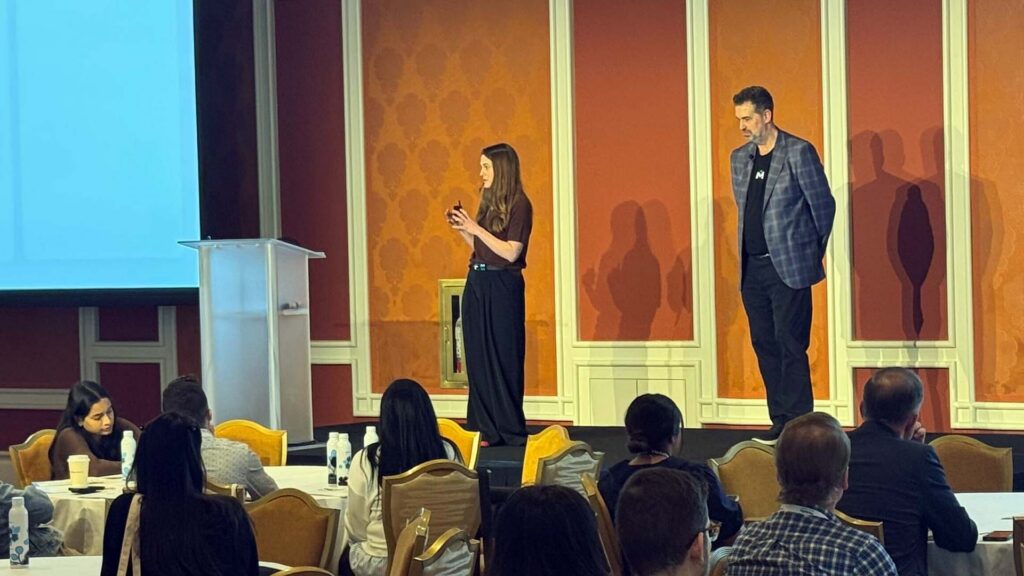
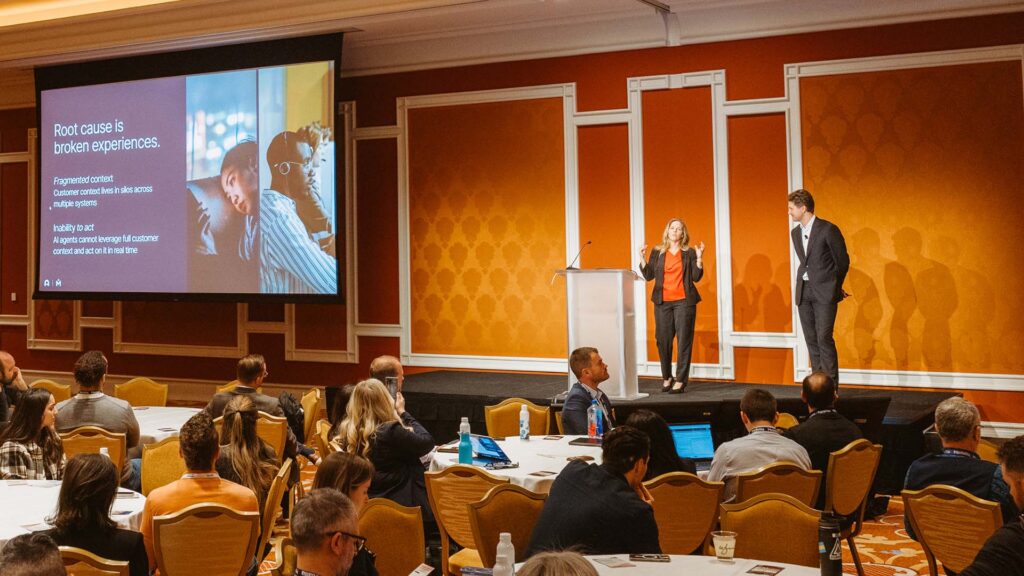
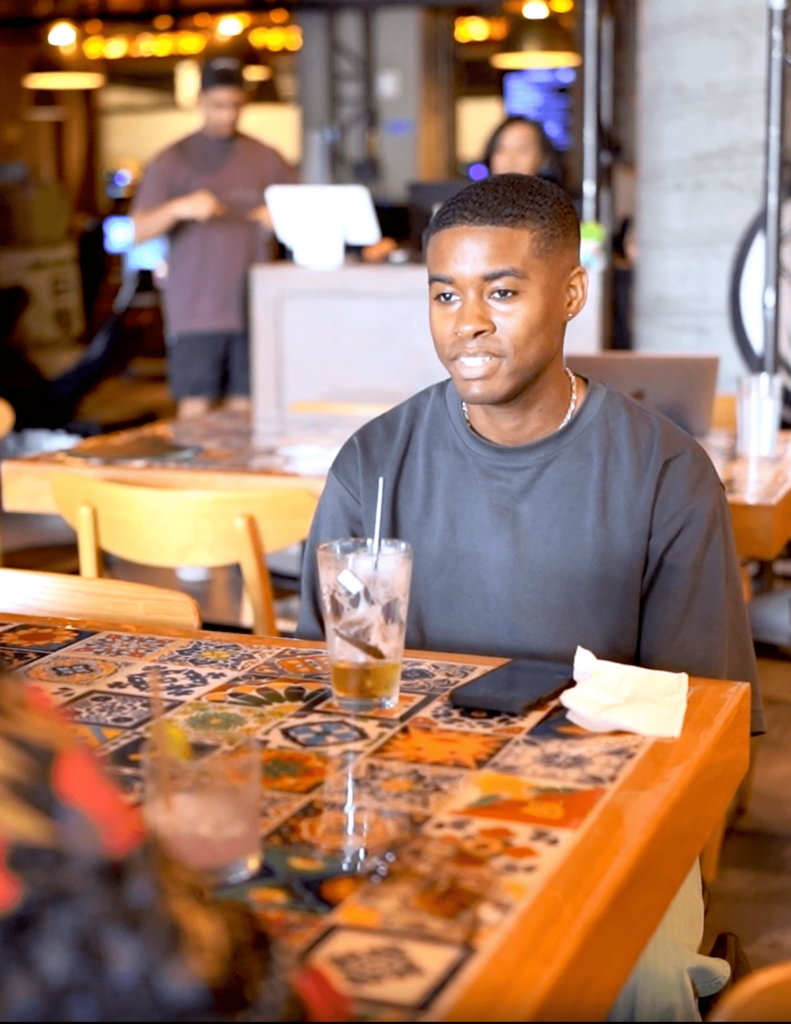
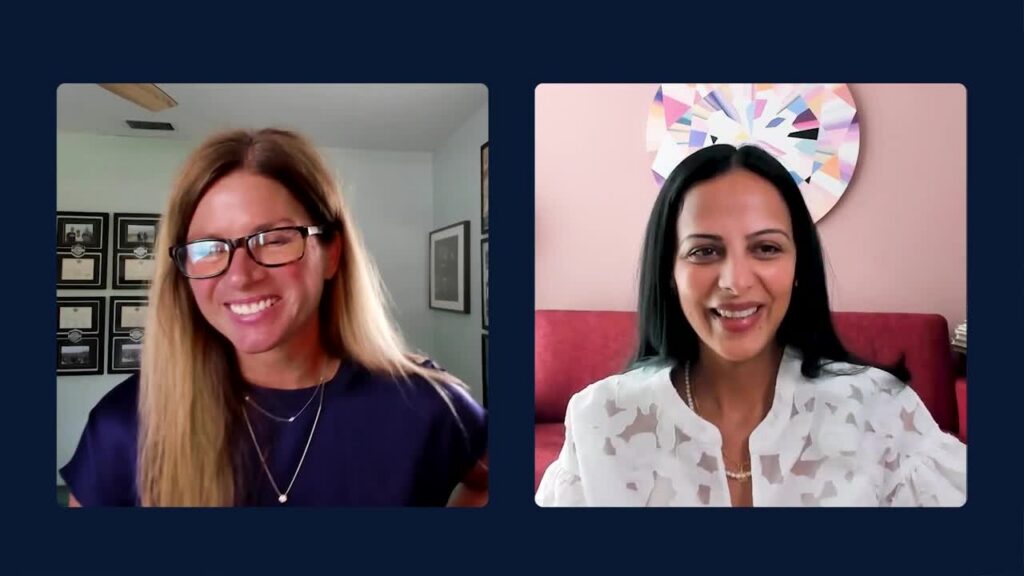
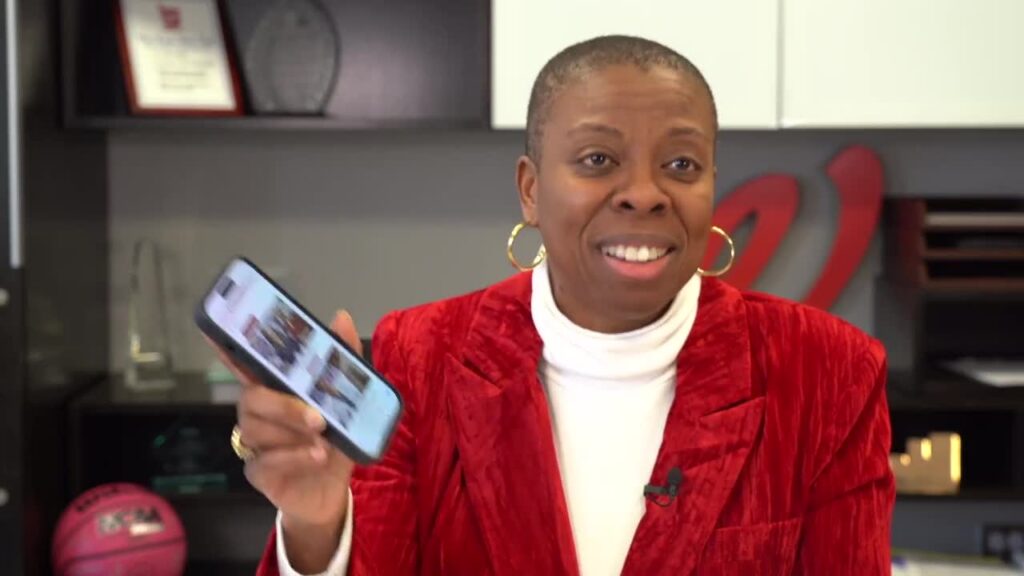
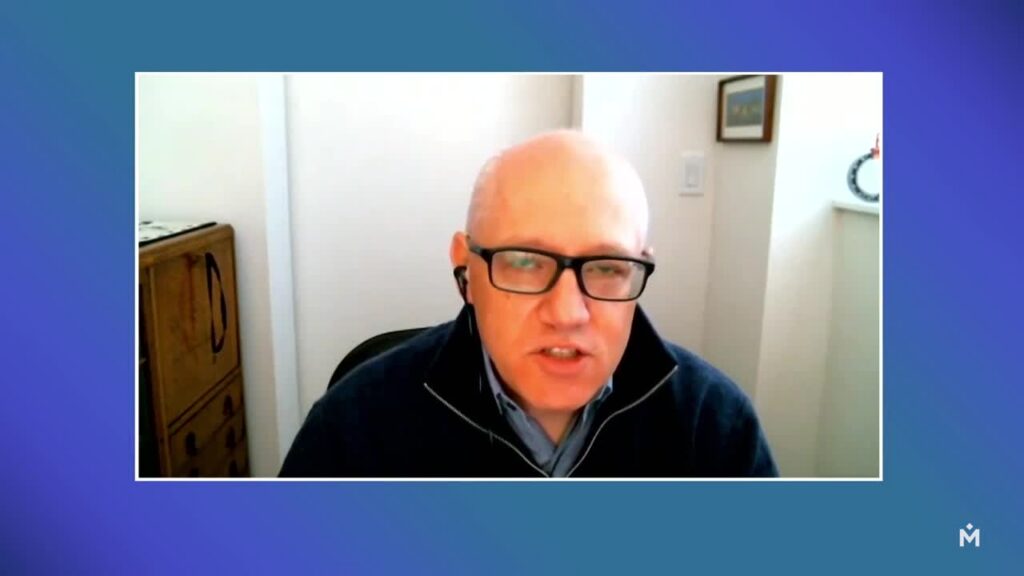
Zach Hamilton: [00:00:00] My name is Zach Hamilton. I lead advisory at Higher Oak and a proud partner of Vuori and just a lot of work and a lot of us know in retail as a former retailer, if you really wanna operationalize the brand promise that you just got to watch, it is not easy at all. How many of you’re retailers in here where if we could just operationalize the brand promise consistently, that would be a huge win.
When I got into Vegas, I actually visited the Vuori stores as a mystery shop. They didn’t know I was coming, and a lot of it, what I just wanted to see was how are they executing the playbook that we’re gonna talk about today? And if I was a store leader, this good, every store was very consistent with this playbook.
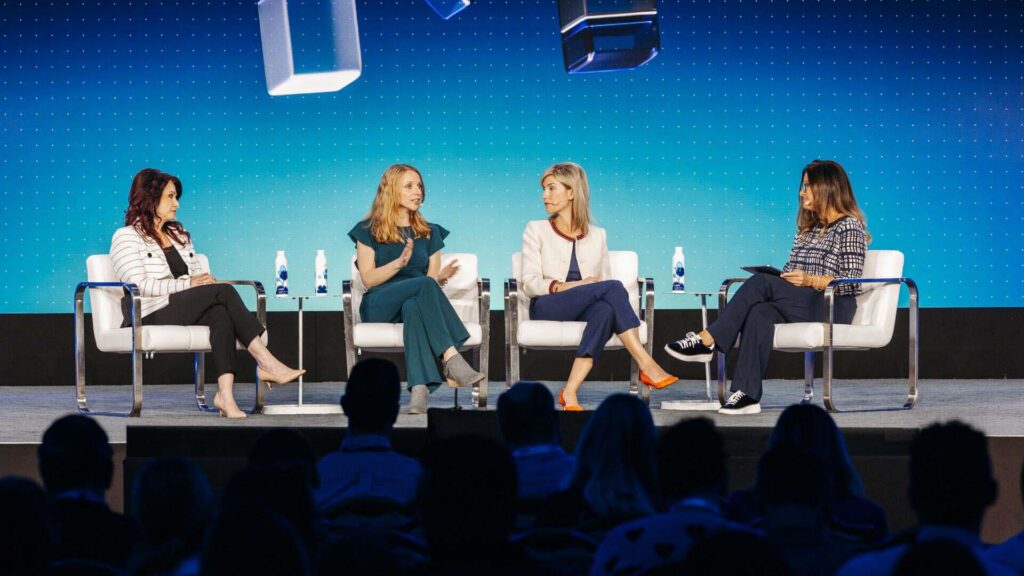
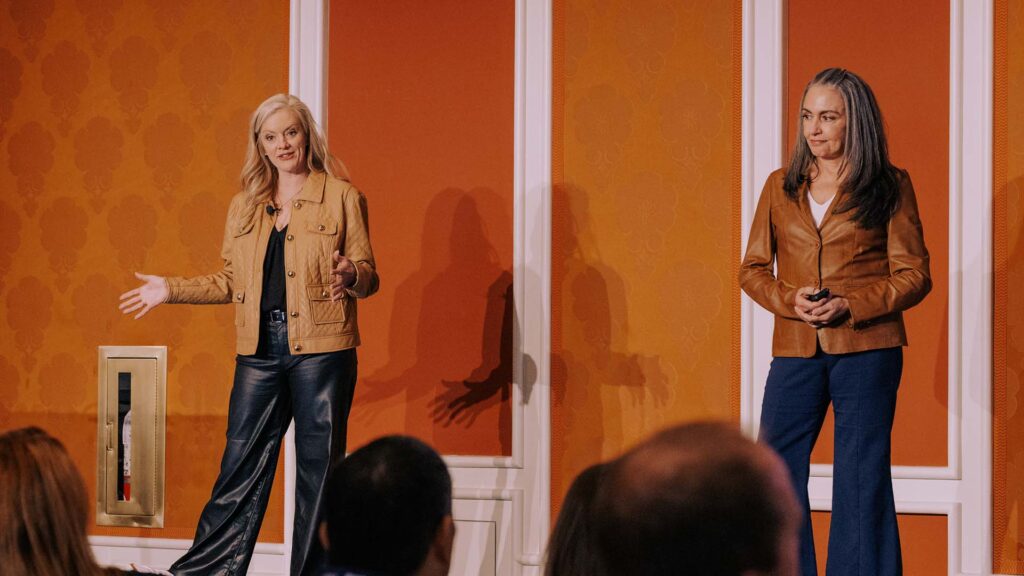
And it’s all because of Kendal and Carissa. So why don’t you guys introduce yourself, your role and maybe what you love about. Store operations at Vuori.
Carissa Eisele: So my name’s Carissa Eisele. I am based in Manhattan and I’ve been with Vuori for [00:01:00] about four years. The product is, the way that we are able to connect with our customers, but it’s like much deeper than that.
And we’re excited to share with you how we’re bringing that to life through customer, the customer engagement, and specifically also our employee engagement, which is I think what Kendall and I are most proud about.
Kendal Lieberman: I am Kendall Lieberman. I am the director of Stores for the West for Vuori. I live, near our headquarters in San Diego, California.
And I think another value I’m really passionate about at Vuori is being in great relationship. And in order to do everything that we’re gonna talk about today, you have to be in great relationship with one another and with our customers. And it’s so natural at Vuori. It is such a pure and genuine environment for collaboration to exist, for teamwork, to exist, to be genuinely curious about what is gonna be the thing that is gonna enable us all to grow better together.
So I’d say being in great relationships.
Zach Hamilton: And fun fact, Carissa has done the dopey if you know the Disney Marathon.
Kendal Lieberman: Yes.
Zach Hamilton: And finished the 5K after getting food poison. Oh [00:02:00]
Speaker 4: yes. That was just recently.
Zach Hamilton: She’s amazing.
Speaker 4: 10 K. Yeah.
Zach Hamilton: And I just learned this before the session, but Kendall, back in 2012, hired Carissa as a store manager, which was her first role.
And think about it. 14 years later now on the stage, talking about,
Carissa Eisele: that’s so fun.
Zach Hamilton: Not just,
Carissa Eisele: not a Bori, Vuori. Hass only been around for 10 years, but at a former employer, she gave me my first storm
Zach Hamilton: after. Yeah. How full Bori is. But in retail, they’re experiencing double digit growth. Year over year. So what we wanna do is we wanna jump into it a little over a year and a half ago is when you started to working with customer feedback, and that’s when you partner with Medallia.
Beyond just hearing you know, what your customers were saying about the brand and the interactions, what problems were you really trying to solve in your stores specifically?
Kendal Lieberman: We really were first and foremost looking for more feedback. The system we had been using prior to Medallia was this Typeform, and it was really clunky, wasn’t giving us all the data we needed, and really we were talking to our most engaged customers.
We really weren’t hearing from the breadth of [00:03:00] customers walking into our doors. The second is that we needed to identify where really in the customer journey were we winning, and where did we have opportunity. And this Typeform didn’t allow us to. Segment any data or gather any additional insights. It was really just line by line on an Excel spreadsheet.
As we have grown to 105 stores with more on the way we also have 2000 plus retail employees, and so our ability to maintain being true to our brand integrity. Was not consistent. We had no SLA for a timing of response. We didn’t have a consistent response that our store managers were responding to.
And so Medallia has allowed us to lean really deeply into that, create an SLA, create a customizable form that we can respond to detractors with, that all of our store managers lean into. And then lastly, I’d say our district managers and our store managers are extremely en engaged in this tool to the point where they’re looking at this daily.
And that has enabled us to have conversations every single week in all the cyclical touchpoints of our business. So through one-on-ones. [00:04:00] Store visits. And I think medal is a really good example of something Chris and I believe wholeheartedly in which is pretty against what retail has done in general is we keep our districts really small.
We have six to eight stores. We really believe that is the sweet spot for one district because what it allows for those district managers and store managers to do is to go really deep about the things we care most about service being one of our top five. And so I’d say those would be my responses.
Zach Hamilton: Yeah, and I think Krisa just a little bit further, one of the things that I loved about you when I first met you. Was you said, yes, we have a CSAT goal, we have a Target, but we don’t really focus on that. We really focus on our employees delivering the behaviors that we want them to embody from a brand perspective.
Speaker 4: Yeah.
Zach Hamilton: And so a lot of retailers, they get challenged with, Hey, we’ve gotta achieve this score and we’ve heard it, right? Hey, take our survey. They might ask for a 10. That’s never come from your stores. And so how do you really focus on those [00:05:00] behaviors?
Carissa Eisele: We call our selling model at Vuori, selling the Vuori Way, because we really wanted it rooted in our values, our value of being in great relationships, and really empowering our employees to be their authentic selves.
So we don’t have a really specific, framework that they’re following. They’re really rooted in connect. Seeing with the customer and like that feeling. A book that we really rallied behind in the last year was Unreasonable Hospitality by Will Gida. It’s an incredible book. Definitely encourage you to pick it up.
We rallied around this concept of going, taking service into this space of hospitality and really touching the hearts of our customers. And yes, of course we’re looking at a score, but that’s not the thing that we’re talking about the most. We’re talking about. Day-to-day, what were the behaviors that drove that and how did you get to do it uniquely you?
And I think that also really supports our retention and engagement at RE as well.
Zach Hamilton: Yeah. So let’s dig a little bit more into that. So now, Kendall was talking about, the problems that we wanted to solve as we initially set [00:06:00] up customer feedback.
As the feedback was coming in, what were some of the signals that surprised you not only just about interacting with.
Your associates, but also just. What you were hearing about the brand? Yeah, and beyond.
Carissa Eisele: Honestly, I think more so than surprising, it was honestly affirming. We had this type form that, that Kendall was referencing and it was, we had really high scores and we were like, wow, this is really great.
But we also knew we weren’t. Talking to the majority of our customers. So we were like, we think we have great service, but we didn’t have enough data. And so once we got into Medallia, once we got to, double click into those insights around our customer journey and look at things like greeting fit rooms, cash, what we were hearing is that we were doing really well foundationally.
So like 4.8 to 4.9. It was really good. So it was, we had this collective breath, the two of us, of okay, we weren’t just hearing from a small segment of our, like most engaged customers, we’re hearing from a much larger segment now and they’re telling us that we’re doing a good job. But then the other [00:07:00] big, aha and of.
Firming moment was that we learned a lot of where our opportunities lied within our product, our assortment, and things that we really wanted to give direct feedback back to our merchants and our designers. So something fun that we do at re twice every season we pull all of our designers and all of our merchants together to our storing Carlsbad, California, and we get all the store managers virtually on the line across the country, and they give direct feedback around the design.
And the, the allocations and the merchandising directly back to our designers, and they are prepping for that really important call via their Medallia insights. They’re going in, they’re looking at all their surveys, and they really feel like then as a business owner at Vuori, that they’re getting to shape the future of our product and essentially their sales.
Zach Hamilton: Yeah, absolutely. I’m gonna double click here, Kendall. So one of the things, this is the year of the fitting room. This is one of the signals that you guys learned. Not just through customer feedback. I know we’ve spent a lot of time triangulating also [00:08:00] your financial data with how important it is to your A OV when they have a really good fitting room experience and that’s why you’ve made this year, the year of the fitting room.
You wanna talk a little bit more about that and how you’re just seeing customer data come together, financial data.
Kendal Lieberman: I’m sure this is a metric this room knows, but your guests, your customers are 70% more likely to buy something if they end up in a fitting room and the person who ends up in the fitting room is likely to buy twice as much as the person who doesn’t get to the fitting room.
So for us, it’s like, how do we look at driving? Our A OV, our UPT, and really our service, which is based on two things we have, building the connection and then building the collection and building the connection is all rooted in the value that I spoke about earlier, which is in being in great relationship and that being in great relationship is authentic.
To each their own. It is not a boxed way of doing it is something that we really focus on. Folks figuring out for themselves what makes it work for them. And building the collection is the experiencing in the fitting rooms. It is our [00:09:00] ability to get to know our customers so deeply that we can bring them things and suggest items to them that feel so natural because we have learned what matters to them and because we know what they’re gonna do with it.
And because of that, there is trust and because of that. Creates a really beautiful experience back there and they also end up buying more.
Zach Hamilton: I think some of the other pieces we saw as we started to triangulate the financial data is your most loyal customer. Not only are they shopping again, but it’s two times faster than first time customers.
It’s increasing customer lifetime value, which is leading to your double digit revenue. I think that’s all led through the behaviors that you were talking about. So I want to go there for a minute. When I, what I witnessed in the store over at the Caesar’s house, is that right?
Yes.
Speaker 4: Yeah.
Zach Hamilton: So when I went in there on Monday, it was Pat’s and they had maybe, I think four staff members. And Shanna, she was just amazing, but I listened. Every selling method, they were all different. And when you think about those behaviors and you think about the [00:10:00] top performers, the other thing we saw in financial data was your top performers are significantly selling more.
Maybe those who are not executing where you need more training. So talk a little bit about how do you recognize those top performers who are executing behaviors, and then when you see your lower performers, how do you rally around them?
Kendal Lieberman: Your experience is perfect. What we hear a lot in our Medallia response is really across the board is how kind, helpful, and friendly.
Our staff is, and so that does not make a top performer in Medallia for Vuori. That is really baseline for us. So what we have begun to recognize is that the top performers are both doing that and then have that ability to build the guests. Collection, which is what I was speaking about earlier. So not only are they having a great interaction on the floor, they’re getting to know one another really deeply.
That initial interaction transpires back to the fitting room, where then it is suggestive selling and it is getting to know them on a deeper level so that then these customers are leaving our stores with high fives and hugs, and I can’t wait to see you next time and hear about your trip to Fiji or your honeymoon, or, I hope [00:11:00] your grandma’s doing well, that sort of.
Experience has made our top performers and those top performers are not only kind, helpful, and friendly, but really driving the behaviors through the fitting rooms. And what helps drive behaviors in the fitting rooms is strong product knowledge. So our folks who are top performers have a really keen understanding of our product and all the functions about it.
They’re curious. They’re asking strategic questions, which enable them to, again, suggestively sell through a very genuine and authentic way back in the fitting rooms. And. I’ll say that last year, something Medallia really showed us, which was affirming but showed us nonetheless, was that our top NPS stores were also our top engagement stores, and that really validated for us that happy teams.
Give great service, which I think is probably a no-brainer. But we have we’ve taken some steps to identify how that is to be, so it can be a repeatable behavior for us. And the first is that we have a very strong culture of recognition, acknowledgement, and celebrations. There’s [00:12:00] a philosophy of Yuri called the rise, the shine, and I’ll.
I’ll talk to you about that in a little bit, but we have something every quarter called the Shine Call and we talk about our five smart goals through the year. And we acknowledge and recognize really specifically stores who are crushing that, who are doing a great job there, and not only celebrate them and doing a great job, but really ask them questions about how they’re doing it so it can be repeatable.
Those lower performers can really learn if I’m having an opportunity here’s a peer who’s doing it really well, who is facing all the same circumstances that I am. Something else that we do as an organization is we have weekly paid team sweats, a team sweat is going to your local best of studio and working out together.
What a gift, honestly, to be able to get outside your store, bond with your team members and do something that’s good for you, which is incredible. So that’s something else we do. And then the last thing I’d say that we do is we are big on acknowledgement and acknowledgement from the entire organization.
So it is not rare to find two peers acknowledging one another on a job well done on a call, in a quick [00:13:00] text in an email. It’s also not uncommon at Vuori to see our executive team. Write handwritten notes and send them to the teams for our p and c team to be visiting stores and bringing treats and celebrating the team.
And so this culture of acknowledgement and catching folks doing something right, really has become a secret sauce.
Zach Hamilton: Yeah. And one of the things that I loved Carissa, when I was talking to Shana
Was about this recognition. And what’s really amazing, if you actually look at the Vuori feedback, over 70% of their comments have an employee name in there from the customer.
So what she’s, I believe, was an assistant manager.
Speaker 4: Yep.
Zach Hamilton: And she said her highlight of the day is when a piece of feedback comes in and she gets to go high, high five, her team member. How did you guys establish that? She really, one, just not only to look at the data. And the signals and the feedback coming in, but then really use it to go celebrate.
Carissa Eisele: Yeah. As we mentioned before, our teams are going into Medallia daily and they’re doing that to empower what we call a [00:14:00] lineup. Many of you probably have some form of this in your organization, some form of rapid meeting. We call it a lineup because it’s alluding to a surf lineup where Southern California, a surf.
Based culture. So we have this lineup, and it’s about 15, sometimes even longer. We really dedicate time in our stores where every single person before they hit the floor is receiving a lineup from their leader. And in those lineups, NPS is one of the top things. So they are. Pulling out NPS surveys and reading them out loud to the whole group of five or six of our associates.
They have incredible boards in the back that we give them a ton of autonomy to create and make their own where they are celebrating name recognition. They might be shooting towards a particular name recognition goal in a pizza party that is happening every single day in our stores. Through that rewards or recognition.
Like you talked about Ken, it’s not unusual for myself or Kendall or even Joe or our boss Katherine, to be reaching out directly to our teams. And that in and of itself, like of course, everyone loves a $10 Starbucks gift [00:15:00] card, but there is something really magical about specific recognition and specific recognition from individuals within the organization that you know you want to grow with.
To hear them and see them rewarding you.
Zach Hamilton: And I think one of the things that April mentioned to me was the store manager is when a position opens up, it’s highly competitive, even just to get that frontline part-time role because of the culture and your turnover’s like incredible. So what would you say contributes I know just this congratulations and everyone’s involved, but what else is a secret sauce?
Because in retail. Turnover is so high that you have so many applications just for a part-time job.
Carissa Eisele: We definitely celebrate and really focus on internal promotion through development plans. Like we are really committed to development plans and really expanding our l and d offerings at Vuori, which keeps people, but also I feel like something we do really well at Vuori is [00:16:00] storytelling.
Anyone who’s getting a promotion, say into assistant manager to store manager we would do a full, company-wide announcement. And again, like those moments when everyone on this email is replying back to you and sharing these words of encouragement, it goes a long way. And it also, is affirming that hey, we are promoting from within, yes, we’re getting two or 300 applicants for a store manager position.
And we’re focused on those individuals who. Chose to come and maybe start at an assistant manager level and really dig in and live the rise of the shine and then they get to have that shine moment.
Zach Hamilton: Yeah. And Kendall, before we move on, one of the things that I was talking with April about, I was mentioning this.
April’s a store manager and she was really digging in with me and asking questions and giving me feedback, and I brought it back. And you guys do this, I can’t remember if it’s quarterly, you bring all your store managers into a call. Talk a little bit about that and how do you empower them to really.
It’s really them owning their stores and you’re just almost like their servant leader.
Kendal Lieberman: I’ll give some acknowledgement to Krisa here because it’s such a part of our [00:17:00] culture. Krisa has been with Fiori just over four years and something that was important to her that as retail was growing was really garnering consistent feedback from our stores.
And so monthly we have continued to have what we call a round table, and every month we identify 10 store managers who can contribute to a topic. Most of the time our boss, Catherine, who is the SVP of Retail and a lot of other things is on that call, taking notes, listening, asking very strategic questions.
And so our store managers very much feel a part of the growth. We have a really silly acronym called Taurus. I don’t know why it has stuck, but it has, and it’s, the answers are in the stores. We base visits around this philosophy. We do these consistent round tables monthly around this philosophy to the point where we just offered Zach, we’re like, why don’t you come and do a round table with our team?
They would love to contribute to that. So I think that level of engagement and feeling that they have a voice in the future, growth of the organization also keeps them really engaged.
Zach Hamilton: Yeah, and I think one of the pieces we’re April was all [00:18:00] about the survey. One of the things that she was mentioning to me was, look, our brand is very visual.
And so we started talking about, video opportunity, and she’s this would be so amazing. So when we think about the overall adoption I know one of the challenges that retailers have is just, look, our stores are busy.
And they have a lot of things to do from training and serving your guests, coming in and merchandising and cleaning.
But if we look at your utilization rate, your store managers are in there multiple times a day and into the Medallia platform. So how have you been able to, I don’t wanna say block and tackle, but start to remove, like these things aren’t the most important thing. And to really get them focused in on serving the customer, serving each other and really understanding the customer signals and feedback coming in.
Kendal Lieberman: One of the initial components is our retail leadership team is former retail leaders leading retail, and I think that’s really important because Chris [00:19:00] and I both recall what it’s like to be a store manager when you have partners coming at you. All the time with their thing being the most important thing.
And what we have done a great job collectively with our peer group is we’ve identified five smart goals. Simplicity is really like a, an undercover value at Vuori. It’s not really a value, but it is a value that transcends all our values. And we’ve identified five smart goals that have iterated on themselves for the last three years.
That allow us to maintain real focus on what the priority is so that we don’t have to block and tackle so that if it doesn’t fit into a smart goal, we all collectively align that it’s not the thing. And with the Medallia rollout in particular, it was probably our easiest rollout either of us have experienced at Bori because it was really natural.
First off, Chris and I both had used the platform before at a former retailer, so we were able to, like she had said. Be excellent storytellers about what benefit this was going to provide for us. But additionally, we had garnered some support from other folks within the organization, at store manager level, at district manager level, who had [00:20:00] used this.
And we asked them to support us on behalf of being storytellers about what they were gonna learn, how this would engage their teams, what they could do in terms of development and engagement. And that got people really excited because it wasn’t just the two of us saying, this thing’s gonna be great, but it’s gonna be great.
Because of all of these reasons. So I think that was really supportive. We rolled out Medallia, like we do anything else through our implementation model and we leverage Microsoft teams. And in Microsoft teams you have a chat going while you have your call going, and our chats are full of emojis, engagement and gif and it’s so fun and that chat stays live after a call.
And so we leveraged that chat after the call for a couple things. One, problem solving folks could type in. Questions, things like that, that call chat is still going nearly a year later with acknowledgement, with catching folks doing something right, with snippets of Medallia comments where they’re so proud of their teams.
We actually had something called the Shine Call that I was talking about earlier last Tuesday, and we were talking about fitting room experience, and I was interviewing one of our store managers and there was [00:21:00] the most incredible quotation from a customer about. This being the most amazing try-on experience she’d ever had in a retail space.
He welled up with tears because he felt so proud and prideful about the experience that his team creates. And so being able to continuously celebrate that has really kept the engagement high.
Zach Hamilton: Yeah, and I think the other thing, Chris, so you’ve been very intentional when it comes to what is it that we want our store managers to see, right?
Too often, and I was guilty of this when I was a CXO. We wanted to give them so many insights and so many metrics, and you’ve really simplified your dashboard too. We want you to, one, be able to drive this acknowledgement, but then two drive decisions every day from it.
Speaker 4: Yeah.
Zach Hamilton: How did you take that really intentional role of we’re only gonna give them what they really need.
Their dashboard’s gonna be very simple, and they know what actions, what decisions they have to make every day.
Carissa Eisele: Yeah. I think it, it was just that we kept it simple. Because going back to the very beginning, we really, the main thing [00:22:00] for us is that we were meeting our SLA of talking to back to our customer within 24 hours and ensuring that we had really great standardized approach to those responses.
And we knew that if we got that like we were winning, especially in our first year, so we didn’t want to bite off more than we could chew and. Focusing on that has driven our, we are consistently meeting that SLA and having those ongoing conversations with our detractors, which are then able to allow the employees to go back and really fix in real time what the, what they might have missed.
So that is that. And then what, when you were talking, it just made me think of another book that I wanted to plug with the room. So last year. You unreasonable hospitality. We rallied around that two years ago, last year. We rallied around essentialism and that is a, is the language of essentialism and making sure that like you can’t have a ton of priorities.
You can’t have too much information coming at you or you create that decision fatigue. And so we really leaned into the spirit of the book club that we were reading. As we were simultaneously [00:23:00] launching Medallia to be like, this is what we’re giving you right now. And they definitely asked for more ’cause they’re hungry, entrepreneurial business owners.
But we were able, in the vein of simplicity and essentialism able to be like, no, just do this right now. Really well,
Zach Hamilton: absolutely. And I think one of the other pieces of just working with Vuori and the partnership is it’s not just an in-store kind of, signal or feedback solution, your digital teams are leveraging it and contact center.
And so when you think about cross-functional, you gave a really great example with kind of your merchandising team. You bring them in, right?
Kendal Lieberman: Yeah.
Zach Hamilton: But you’re so interactive with your digital team. ’cause you had the buy online pickup in store and you have returns that come back to the store. And so you really have to be able, from a store operations to say.
Look, we’re the ones that really have to operationalize the brand and the promise. And if it fails here, it’s gonna drive, probably customer churn.
Carissa Eisele: Yeah.
Zach Hamilton: So how do you really drive those cross-functional conversations about not just the feedback that you’re seeing in your platform? But also the feedback you’re getting from your frontline, [00:24:00] your employees.
Carissa Eisele: For us, it starts at the top. So I would say we are very lucky and blessed that Joe Kla and our SLT is just as invested in NPS as we are. Like obviously Joe cares deeply about our revenue top line revenue, but he is asking every week also about our NPS. So we report to Joe every single week on our NPS.
We also sit in an. Interactive dialogue every single month with the SLT talking about the behaviors that we’re seeing within service. That’s signaling by the senior most leaders really matters. And then you drill down into that district level. That’s really where the cross-functional collaboration happens between our dms and our partners.
So we host quarterly in-person Q QBs, and we have those quarterly business reviews that are based off of the. Smart goals that Ken shared about. And partners are there alongside our store managers working hip to hip and dissecting the last quarter. And that’s where they’re bringing up their NPS and really talking about what they saw and how they need that partner to potentially solve on an any number of things.
Store [00:25:00] operations, visual merchandising our community partners. And then the last thing I’d say, going all the way down to the entry level is. We call it meaningful meetings at ri. So we really invest in our store teams in having daily, weekly, monthly, and quarterly meetings. They’re having one-on-ones every week.
They’re having those round tables with their associates, they’re having staff meetings, and that is where they’re bringing Medallia to life beyond the lineup. And that’s where they’re able to do a lot more role playing. And we’re integrating in l and d resourcing so they can really suss it out.
Zach Hamilton: So I noticed the role playing. I think you have a new associate in the Cesar store. And I noticed the role playing happening.
Carissa Eisele: Great.
Zach Hamilton: Which was fantastic if for that. But let’s before we get to ask questions from the audience, one of the things is you’re always thinking about what’s next.
So if you think about what’s next for your store, kind of playbook, right? Because your customer behavior is always evolving. What are some of the things just [00:26:00] operationally you’re thinking about just this year going into next year, and then what are some of those changes that you want to see, in your own kind of Medallia program to enable.
Those specific changes
Kendal Lieberman: we’re really proud that in the last year we saw consistency across our metrics really for the entire year. So that was something we felt really proud in. And the first year was really establishing our baseline because as we’ve spoken about, our original feedback was from the Typeform survey, so we really had a small percentage of folks responding to that.
So if we could establish consistency in our baseline, that felt like a win. And we did that last year, which was incredible. We know broadly, like we’ve shared that. Our associates are kind, helpful, and friendly. Excellent. We want to maintain that, but within the feedback, we’ve also dug in really deep and heard from our customers what isn’t working or where we have an opportunity to improve.
And that’s in a number of things. One is our ability to have strong and consistent product knowledge. If folks are gonna be spending. A hundred plus dollars on something and wanna know why it’s incredible and why it’s gonna work for them. So that’s one. [00:27:00] Two is around our leadership behaviors.
So we’ve been talking a lot about repeatable behaviors. So our leader on the floor, what behaviors are working, what isn’t working, and how can we ensure that we uplevel that consistently. Then the last, like I was speaking about earlier in fitting rooms is around suggestive selling and ensuring that we can not only do that, but do that our way, which is through building an incredible connection first, so that it is genuine and authentic.
We have a target this year of being at an 86 NPS, which is a two point lift year over year, so we are going after that. All in, which we’re very excited about and we’re garnering support from our l and d team to really help us establish programs around those three opportunities. So that 86 is really approachable for everyone.
Zach Hamilton: Yeah, and I’ll never forget, there is some negative feedback that comes in and I’ll never forget when I first looked at it, I said, Hey Chris, I noticed in this one store you have some feedback around employees on their phones doing TikTok dances. Chris was like, oh. Just talk a little bit about when you [00:28:00] do get some negative feedback.
How do you coach, empower, and train on a follow-up?
Carissa Eisele: I think one of our values at Vuori is like approaching things from like an egoless nature and really approaching with curiosity. So we have done a really I think a good job, Ken and I of not creating an environment of. Fear in our stores. Not that like gotcha mentality or you hide the ball before the directors come in.
We really want to hear what’s going on. And I think that in and of itself, that we operate that way. Our district managers operate that way. It creates the space for when there is constructive feedback to be given. It doesn’t become so high stakes of oh my gosh, I’m gonna be terminated.
It’s no. Let’s ask, let’s get curious. Like first I, we always try and assume positive intent. And then after that, if there’s an opportunity we can address it, but it goes that much. It’s always goes better if it’s grounded in trust and true curiosity.
Zach Hamilton: And what I love is April told me you gave her feedback in a yoga session of my store visit.
She’s we
Carissa Eisele: [00:29:00] did.
Zach Hamilton: So that’s pretty cool too. Talk about that a little bit where you get them outside the store in these sessions.
Kendal Lieberman: I was speaking about being in great relationship, being my faVuorite value of ours, one of three and. I think being in great relationships allows for real vulnerability to exist.
And without vulnerability you don’t have any psychological safety, which then, people don’t feel like they can be connected and your engagement is really low. And so being in great relationship to me and to Chris is really about whole life, living an extraordinary life at work personally, and all the things you wanna get up to.
So when we’re on visits, we certainly spend time. In the stores because that’s where everything is happening. It’s also really important to us to get out and do a team sweat together and go to a meal together and ask April how her nine, almost 10-year-old daughter is, who is really into K-Pop right now, and whatever concert they’re going to next.
And to really know April because to be seen and to be known is to be really valued. And that’s the definition of being a great relationship for us.
Zach Hamilton: Yeah, that’s amazing. So we have about 10 minutes left. It’s time for the pop quiz. [00:30:00] Just kidding. So we’re gonna actually open up the floor to any questions.
And if you ask a question, you’ll get a 40% off discount code. So if you ask the question, come up here after we’re finished and they’ll hand them out. And I’m gonna ask Jeff to be the floor runner for me. Jeff, can you. Just raise your hand if you have a question. There’s a mic here, and then Jeff will also have a mic.
Audience Question 2: You talk a lot about the stores, but do you also survey your digital customers and then. How does that compare to your stores?
Zach Hamilton: The digital team’s not here. So from the digital side they have a really engaged strategy with their digital customers. So what I’m really proud of from the re team is they launched their digital feedback in October of last year.
The first week of November, we actually did an analysis of their feedback and what we found, I won’t say the exact amount, but it was multimillion dollar opportunities just through five main frictions. And typically Vuori [00:31:00] goes on a code freeze at the end of October. They actually took two of the frictions, implemented them right before Black Friday.
That had a significant impact in their digital sales as well. So they’re not just looking at feedback, but we help them really think about what’s the cost. Of that impact, but also the cost of inaction. So if they don’t prioritize this, what’s the trade-off that they’re making?
Kendal Lieberman: I’ll also say there’s a lot of innovative work happening in our online space around our customer experience where we are leading some AI work in terms of our chat bots.
And I was on a call the other day hearing about. How like really superior our Vuori chatbots are and how they know what to do and when to pass to a real person and not trying to play hide the ball that this is someone from AI versus a real person. But I’d say also Chris and I collectively are like customer experience at Vuori.
We’re one team. We talk about it. Often we, that team has superior results in that space, as do we, and we’re really trying [00:32:00] to maintain one survey across all so that our one customer who we know shops multiple platforms, has that same experience.
Audience Question 3: I’m just curious on how are you maintaining the view’s way throughout the globe?
I know you have expanded and you have locations throughout different countries now, so how are you keeping up this one-on-one and like laser focus on people and everything throughout the world with different partners?
Carissa Eisele: We invest when we bring on, say we’re opening a new store, right? We bring on a store manager three months in advance and we bring them in their first week to San Diego.
To fully experience Vuori and go and experience our service in our original stores, which are like our best in class stores. It’s, a big investment, but we feel like it very much pays off. And then when we’re bringing on, say we’re opening a new community, we don’t have a store there yet, we.
We bring on our team three weeks early, so all of our associates, everyone starts and we actually have them go through a really powerful exercise where we send them to Secret Shop other retailers, and we bring them back in and talk about how those [00:33:00] experiences made them feel. How was that really great service?
And then helping them break down the behaviors in that experience, because it’s super powerful to talk about it when you’ve been the recipient in that moment. Then that becomes the inflection point where we add in Medallia. ’cause you know they don’t have surveys yet, right? They’re still three weeks till open.
So we make something that feels really tangible, bring start to talk about Na Medallia, and then when we open in any new store, actually tonight, right now we’re opening in Williamsburg in Brooklyn. I’m miss, I’m missing the opening. Bump and there’s hundreds of people in our store right now at this party.
Those Medallia surveys. Flow into their inbox the very next day. So they start that Medallia behavior, a new store manager in a new market, literally on day one. And it’s, we’ve seen a lot of success with that, allowing us to help scale so that we’re not having this long lead time in our NSOs.
We’re opening, upwards of 25 stores a year, and we’re seeing them open with incredible Medallia scores off the gate.
Audience Question 1: I really love the aspect of. [00:34:00] Positive intent when you’re providing constructive feedback or when you’re coaching. But in the cases where you do have somebody that can’t quite adopt the individualization, ’cause it could be a bit broad for them or they just don’t really know how to lean into that for themselves, how do you coach that?
Or do you have specific trainings that you leverage?
Kendal Lieberman: Something we lean into a lot is trying to diagnose where the miss is coming from. Some of you may have heard this, there’s something called skill will and expectations triangle. So is it a training gap? Were they not actually present during the original training?
They onboard after, and maybe their training wasn’t great. Is it something they’re just not interested in because maybe they don’t understand the results or are they not being held accountable? So really identifying is it skill? Is it will or is it expectations? And from there. We can deduce a plan of support for them to really get them on board.
Chris was mentioning some of our highest class stores. We leverage the store managers as mentors often where people come in and shadow or have one-on-ones with them consistently so that it’s another voice, someone who’s in their same boat showing them the ropes outside of [00:35:00] just their district manager who’s always holding them accountable.
Audience Question 4: Questions more of a chicken and egg one for you? Introduced my wife and needed a couple stocking stuffers on a road trip back into Phoenix from like Palm Springs. So stopped off at your outlet at c Amazon and outlets in retail sometimes have different treatment than your regular retail stores. One of the things didn’t fit, and when she took it back into Fashion Square in Scottsdale, it was zero.
Friction and she walked out with a couple hundred extra in purchases. So my question was is was that a strategy you guys came out with right outta the gate just to eat the other people for lunch? Or did that grow out of some of the culture and then just organically grow?
Carissa Eisele: It’s part of our culture.
It is part of our DNA. We have a term at Vuori called Investment in happiness. So investment in happiness. How that shows up to Kendall and I working out of HQ is every single person at HQ takes lunch and leaves their desk to go and be in great relationship with one another or get a sweat on in our studio [00:36:00] at the office.
That’s how that comes to life. How investment in people’s happiness comes to life in our stores is really taking back. Any of our merchandise and being a stand for our customers, loving that merchandise. If this, if what you buy doesn’t meet your expectations, doesn’t hold up to your standards, or you just change your mind, like we will gladly take it back, it creates a really frictionless cash experience.
And we know that’s our differentiator in the outlet space because a lot of outlets it’s final sale. We’re really grateful.
Zach Hamilton: And I think that’s one of the frictions that you learned about early on in those customer signals. But I’d also say from an omnichannel perspective, one of the things I know we have a question up here is what they learned through digital, I forgot to mention this, is when a first time customer comes in through the digital channel, if they make their second purchase in store, their AOVs three and a half times that than what it is online because of the impact.
Of the frontline associates. So they’re always thinking about from a digital marketing perspective, store [00:37:00] ops, how do we get that first time customer in our store next to start to build this community? I dunno if you wanted to comment on that, how you really embrace those digital customers. ’cause that’s really odd between store and digital.
Kendal Lieberman: Yeah. I think it goes back to us having one shared customer. We know that in today’s world, people can get whatever they want, whenever they want digitally. If someone is driving and parking and walking into our store, it’s because they wanted a human to human interaction. And that’s why service matters so much to us because when we can provide that consistently and see progress in our growth, they will continue coming back.
And it might bounce between IRL and E-commerce and that’s okay. ’cause that customer for us then becomes a lifelong customer. But it is our responsibility to continue to delight them in person every single time that they come.
Carissa Eisele: We also have converted our stores into mini studios. So we host classes in our stores, we call them active studios.
And so we are moving all of our [00:38:00] furniture every weekend. This weekend, in our new stores we’ll be hosting classes and that’s a way that maybe that digital customer that knew us from their Instagram ad but then visits our store to maybe partake in our brand and our culture. They really get that vibe.
Come in, take a lovely yoga class, have a beautiful pressed juice after, interact with our teens, like that was, is what really sells them. And and then they come back.
Audience Question 5: Career development is very often a topic that comes up with the people, with employees. It’s really important for them to have certainty.
So I, I love the way you tell about all the storytelling embedded on everything you do. How do you approach the. Career development, clarity with your employees?
Kendal Lieberman: Yeah. Tomorrow, for example, I get to offer someone a job and that is. So exciting to me for a couple of reasons. But one is I have known since I have worked here that this person has wanted this job because of our value of being in great relationship.
It is okay and honest to talk about exactly what you [00:39:00] want and garner support from those around you in order to get there. And so I would say that value really is the top pillar of career development for our folks because without knowing where people wanna go or what they wanna get up to, how can you provide opportunities, experience, or exposure in order to get there?
Chris and I are very. Big fans of development, personal leadership, et cetera. And so it is a part of our consistent weekly one-on-ones with our teams and those meaningful meetings that she spoke about earlier transcend to their teams. And so it is a behavior, it is something we value greatly that could fall to the wayside if we didn’t value it as important, but it certainly is a part of our makeup and our DNA because of how true we hold it.
Truly every week today, as amidst preparing for this, we were talking about our 14 district managers. All the projects each of them are gonna get up to this year, and we’re like so excited about what they’re gonna do because of what it’s gonna provide for them in their career growth at Vuori.
Carissa Eisele: We also defined last year, like the core behavioral competencies that make someone successful at re.
And we’ve been leveraging those a lot over the last two [00:40:00] years. All sorts of workshops around them, like how do you develop that skill of having a craftsman’s mentality. What does that mean? What does that look like? How do you hear from leaders who excel in that? So that shared language that as we grow, we’re a very young company, but we are now developing this really powerful shared language that supports in when we’re talking about career growth and being able to be really specific of what’s gonna help you get to next.
Zach Hamilton: Kendall and Carissa on behalf of Medallia and Higher Oak, thank you so much for being here. Thank you for sharing the VUI story.
Carissa Eisele: We talked about our culture of recognition and gratitude, and so we just really wanted to take this opportunity to thank you and to thank you guys here in this row, like. When we say you have been such amazing partners at Higher Oak from day one, you are so responsive.
You are our biggest cheerleaders and like we were so honored to come here really because we just love you all so much. Thank you. So thank you. Yeah. Yeah. Thank you all.
Kendal Lieberman: Absolutely. Thank you everyone.
Carissa Eisele: Thank [00:41:00] you.